In its latest assessment report, the International Monetary Fund (IMF) offers a cautious analysis of Spain’s economic outlook, highlighting multiple challenges in economic growth, public finances, and the housing market.
Economic Growth Slowdown and Inflation Forecast
The report forecasts a significant slowdown in Spain’s economic growth momentum. Influenced by external factors such as the conflict in the Middle East, economic growth is projected to fall from 2.8% in 2025 to 2.1% in 2026, and further slow to 1.8% in 2027.
Regarding inflation, inflationary pressures are expected to gradually ease. The IMF forecasts that by the end of 2026, Spain’s inflation rate will be around 3%, subsequently falling back to near the target range of 2.2% in 2027.
Public Finances Face Severe Challenges
The IMF expressed concern about Spain’s public finances. The report points out that the country’s public deficit is decreasing at a ‘limited’ pace, and it is projected that by 2031, the deficit-to-GDP ratio will remain around 2%, higher than the government’s target.
To ensure fiscal stability and debt sustainability, the IMF believes Spain needs to adopt additional fiscal consolidation measures, amounting to about 1.5% of GDP, equivalent to approximately €25 billion. The report also warns that future spending on pensions, healthcare, and long-term care will increase significantly, posing long-term pressure on public finances.
Fiscal and Tax Policy Recommendations
To address fiscal issues, the IMF proposed a series of policy recommendations. Firstly, fiscal support measures introduced to cope with various crises should be ‘temporary and well-targeted’ to avoid becoming permanent burdens. Secondly, the report suggests the Spanish government consider unifying Value Added Tax (VAT) rates, reducing the various preferential rates that currently exist, while compensating low-income households through direct subsidies to mitigate the impact of tax reform.
Additionally, reforming regional fiscal rules and effectively controlling expenditure growth are also considered key measures to ensure debt sustainability.
Housing Market: A Clear Call to Abolish Rent Controls
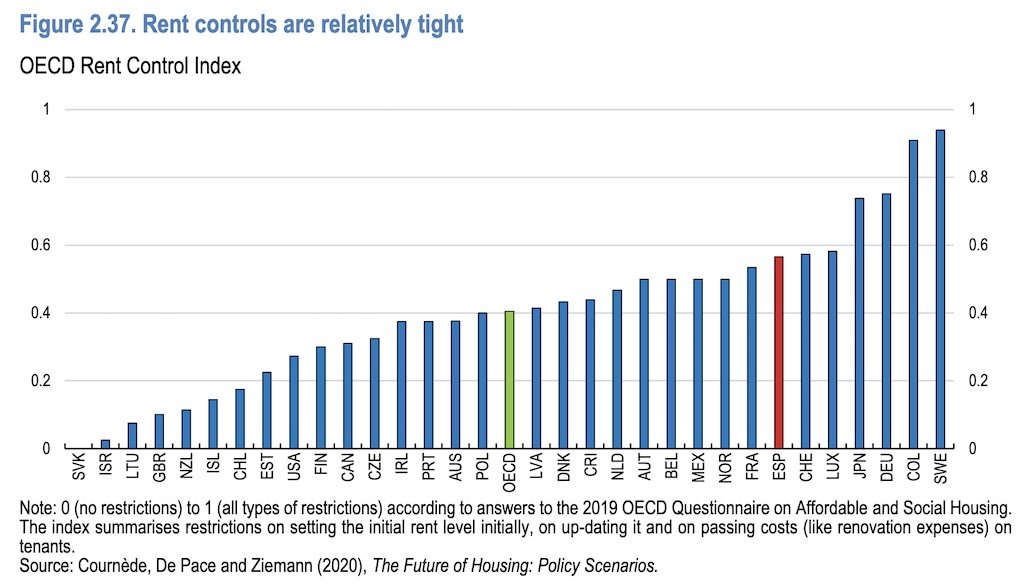
In the closely watched housing sector, the IMF has put forward clear and strong policy recommendations. The report explicitly states that rent price controls should be phased out over the next three years. The IMF believes that current rent control policies have had a clear suppressive effect on the supply of rental housing, exacerbating market imbalances.
To address the housing shortage, the report also calls on the government to speed up administrative procedures for land release and simplify the approval process for building permits to ease housing pressure from the supply side. At the same time, the IMF warns of the need to be vigilant about financial risks associated with the housing market.
