Spain’s National Statistics Institute (Instituto Nacional de Estadística, INE) recently released its Consumer Price Index (IPC) report for February 2026. The data indicates that food inflation pressure persists, but with a significant divergence in trends across different product categories. While some goods have seen substantial price hikes, others have experienced notable decreases.
Egg Prices Lead the Surge Amid Immense Pressure on Basic Agricultural Products
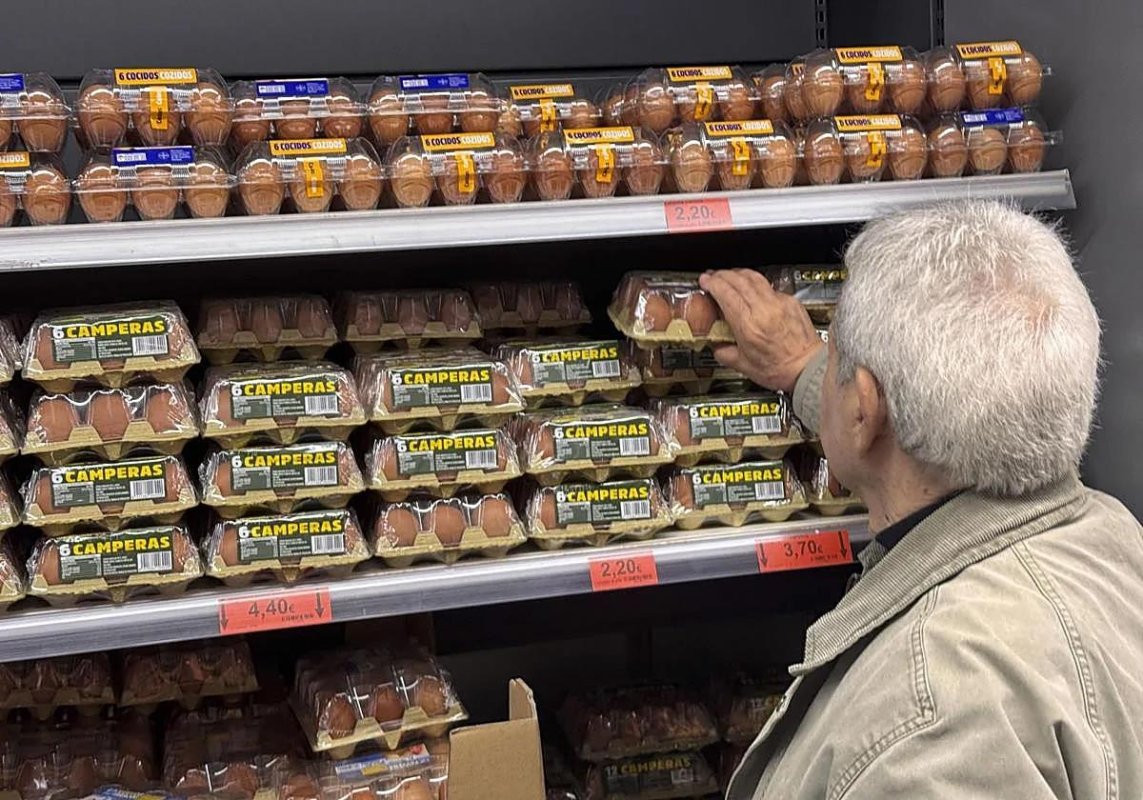
The report shows that for several consecutive months, eggs have been the food item with the largest price increase. In February 2026, their price soared by 30.1% compared to the same period last year, demonstrating strong upward momentum. Since the beginning of 2026, the cumulative increase over the first two months has reached 0.4%. This highlights the sustained price pressure on basic agricultural products in the current market environment, making it a key driver of overall food inflation.
Widespread Increases in Fresh Fruits and Vegetables Drive Up Household Food Costs
In addition to eggs, prices for many common fresh agricultural products have also risen, directly increasing the daily cost of living for residents. Specifically, the price of fruiting vegetables (such as tomatoes and green peppers) increased by 15.7% year-on-year in February, with a cumulative increase of 12.3% since the beginning of the year. Furthermore, legumes saw a price hike of 9.7%, tropical fruits rose by 8.6%, and citrus fruits increased by 7.6%.
Price Hikes for Some Foods Slow, Showing Signs of Stabilization
Notably, some products that previously saw rapid price increases are now showing a trend of slowing growth. For example, coffee, which experienced a price hike of over 10% in 2025, saw its year-on-year increase fall to 8.3% in February 2026. Similarly, the price increase for chocolate was relatively moderate, with a 6% year-on-year growth in February. These signs suggest that the prices of some processed or imported foods may be gradually moving out of the extreme growth range.
Prices of Some Essential Goods See Significant Decline
Against the backdrop of rising prices for most food items, the prices of some essential goods have bucked the trend and fallen, bringing some positive news for consumer budgets. Data shows that vegetable oil prices dropped significantly by 14% year-on-year, the most substantial decrease. Meanwhile, sugar prices fell by 4.7%, and potato prices recorded a 4.5% decline. The fall in prices for these basic food staples has, to some extent, offset the inflationary impact from a rise in other food costs.
