High Fuel Prices: The Economic Driver Behind Thefts
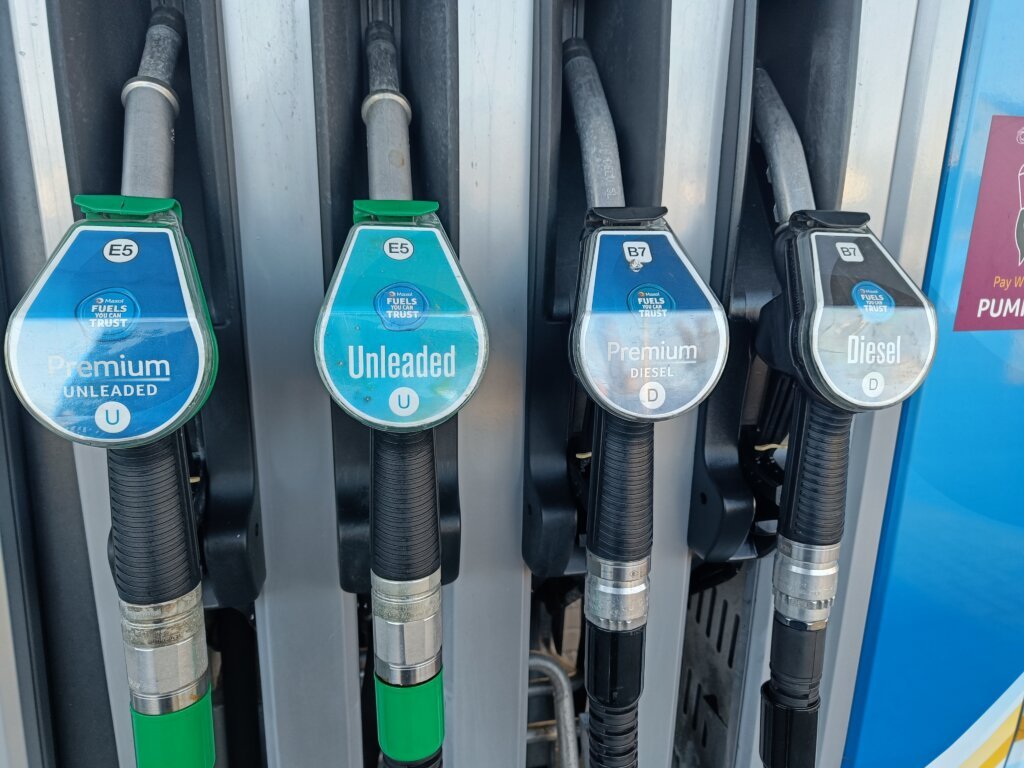
Recently, diesel and petrol prices in Spain have continued to climb, breaking the psychological barrier of €2 per liter at many service stations. These soaring fuel costs have directly fueled a new type of crime: fuel theft from long-haul trucks. The Spanish Confederation of Freight Transport (CETM) points out that a long-haul truck’s fuel tanks can hold up to 1,500 liters. At current prices, a full tank is worth approximately €3,000. This substantial asset turns parked trucks into “mobile vaults” for thieves. When fuel is stolen, drivers and companies not only bear the cost of the lost fuel but also face expensive repair bills for the damaged tanks.
Organized Crime and the Black Market Supply Chain
An industry association representative stated that these thefts are no longer the work of petty criminals but are meticulously planned and executed by “organized gangs.” These groups have formed a complete black market supply chain: after stealing the fuel, they sell it through underground channels at prices far below the market rate (for example, dropping from €2 to €1 per liter). Due to the significant price advantage, some independent hauliers seeking to lower their operating costs become potential customers, thereby sustaining demand in this illegal market and turning fuel theft into a “highly profitable illicit industry.”
Security Gaps: Inadequate Infrastructure Exacerbates Risks
Although precise official statistics are not yet available, the CETM estimates that there are over 20,000 thefts related to road transport annually. Approximately 60% of these occur in service areas or industrial park parking lots that lack security surveillance. This phenomenon highlights Spain’s severe deficiency in secure parking infrastructure. Criminals take advantage of the night or driver rest periods to strike easily in surveillance blind spots, exposing the vulnerability of security along transport routes. In response, the confederation has initiated discussions with Spain’s Ministry of the Interior regarding issues such as upgrading security levels.
High-Risk Areas and Modus Operandi
To help drivers avoid risks, the industry association is creating a “map of high-risk routes.” Currently confirmed theft hotspots include: the AP-7 motorway in Catalonia, the area around Antequera in Andalusia, and the A-2 motorway connecting Zaragoza and Barcelona. Law enforcement agencies have also confirmed that the methods used in these cases are simple and effective. Thieves typically use basic tools to puncture the truck’s aluminum fuel tanks on both sides within minutes and quickly siphon the fuel. The entire process creates very little noise, and sleeping drivers are often unaware until the next morning when they discover their vehicle vandalized and the fuel gone.
Law Enforcement Action: Police Crack Down on Rampant Thefts
In the face of rampant fuel theft, Spanish law enforcement has intensified patrols and crackdowns. Recently, the Guardia Civil took action in the Camargo industrial area in Cantabria, arresting two suspects in the act of stealing diesel from a truck’s fuel tank. At the time of their arrest, they had already siphoned about 100 liters. The investigation revealed that on the same night, another 16 vehicles from the same transport company in the industrial park suffered similar damage and fuel theft, reflecting the organized and brazen nature of these criminal activities.
