Lately, there seem to be more and more people on the forums asking about the dentistry program at UCAM, and it feels like the program is getting quite popular among international student agencies. As a long-time expat in Spain who has helped friends from back home look into it, I’m starting this post to share what I’ve found. This is all unofficial and based on my personal perspective, so feel free to discuss and add your own insights.
In my opinion, the biggest advantage of this program is its relatively accessible admission criteria. As many know, getting into medical or dental programs at Spanish public universities is incredibly difficult for non-EU students, with ridiculously high score requirements. However, as a private university, UCAM is much more flexible with its admission standards. You don’t need to compete with top national entrance exam scores. As long as you have a bachelor’s degree, meet the language requirements, and have all your documents in order, your chances of acceptance are much higher. For students with a solid undergraduate background but without the local standardized test scores, this is undoubtedly a fantastic way to get a foot in the door of the Spanish dentistry field.
Regarding the curriculum, UCAM’s Master’s in Dentistry is an official master’s degree, which means it is recognized internationally, so you don’t have to worry about that. The teaching places a strong emphasis on practical skills—after all, dentistry is a hands-on profession. The university has its own clinical facilities, and according to friends who are currently studying there, there are plenty of opportunities for hands-on practice. Students start working in the clinic with real patients as early as their second or third year, which is a major advantage over some more theory-focused public universities. The entire program is taught in Spanish, so language proficiency is a strict requirement; there’s no way to get by without it.
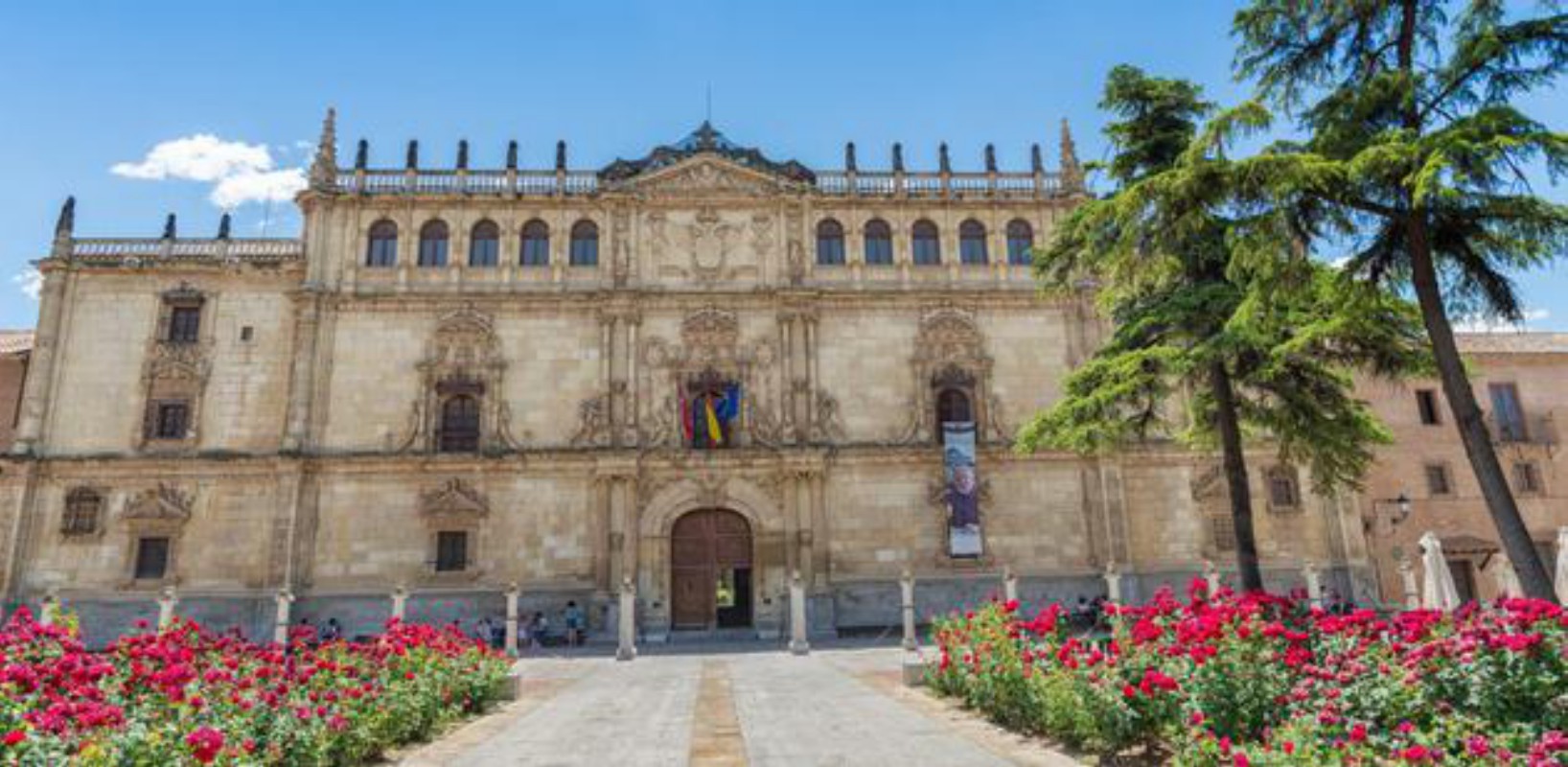
But where there are pros, there are also cons to consider. The most immediate one is the tuition fee. As a private Spanish university for dentistry, UCAM’s fees are not cheap, and dreaming of free education is not an option. The exact amount changes annually, but it’s typically several times higher than that of public universities. I’ve put together a simple cost estimation table to give you a clearer picture:
| Item | Estimated Cost (€) | Notes |
|---|
| UCAM Master’s in Dentistry Tuition | Approx. €20,000 - €25,000 | Check official website; subject to change |
| Living Expenses in Murcia (Annual) | Approx. €6,000 - €8,000 | Much cheaper than Madrid or Barcelona |
| Materials, Insurance, & Misc. Fees | Approx. €1,000 | One-time or annual fees |
In Summary
Overall, UCAM’s dentistry program is like an express lane funded by tuition; you are essentially trading money for more accessible admission criteria and invaluable practical experience. Whether it’s “worth it” really depends on your personal circumstances and career goals. If your family can afford it and you are eager to become a practicing dentist in Spain, UCAM is definitely an option worth considering. However, if you are looking for cost-effectiveness or are very confident in your academic abilities to get into dentistry programs at public universities in Spain, then aiming for a public university might be the better path. In short, its suitability depends on your personal situation and your budget. I hope this information is helpful, and I encourage current students or alumni to share their firsthand experiences!
