Emergency Release Through International Cooperation
Facing the impact of the Middle East conflict on global energy prices, the Spanish government has officially approved an emergency plan to release 11.5 million barrels of oil from its national strategic reserves. This decision is in response to a collective action agreement reached last week by the International Energy Agency (IEA). The agreement aims to release a total of 400 million barrels of crude oil into the global market over 90 days to mitigate severe price volatility.
Although Spain’s oil reserves account for only 0.0085% of the global total, ranking 62nd in the world, this action clearly demonstrates the country’s commitment to fulfilling international obligations, combating energy inflation, and ensuring market supply stability.
Reserve Composition and Release Details
Of the 11.5 million barrels being released, the majority consists of refined petroleum products. Middle distillates, such as diesel and jet fuel, make up the largest portion at approximately 9 million barrels. Additionally, 2.2 million barrels of gasoline and 297,000 barrels of fuel oil will be released. This specific product mix is designed to directly meet the most urgent market demands, particularly in the transport and industrial sectors.
A Unique Hybrid Reserve System
Spain’s energy security relies on a mature hybrid reserve system, with a history dating back to 1927, which has been continuously refined under various international treaties. Currently, the country’s total strategic reserves are sufficient to cover 92 days of national consumption.
This system is composed of two parts:
- Government Strategic Reserves: Managed by the Corporation of Strategic Reserves of Petroleum Products (CORES), these guarantee 42 days of national consumption.
- Industry-Mandated Reserves: Held by operators, distributors, and large consumers in the oil sector, these provide an additional 50 days of consumption coverage.
According to CORES data, approximately 43.8% of industry reserves consist of crude oil and other upstream raw materials, with the remainder being refined products. This structure provides flexibility for the continuous operation of refineries.
A Comprehensive Storage and Logistics Network
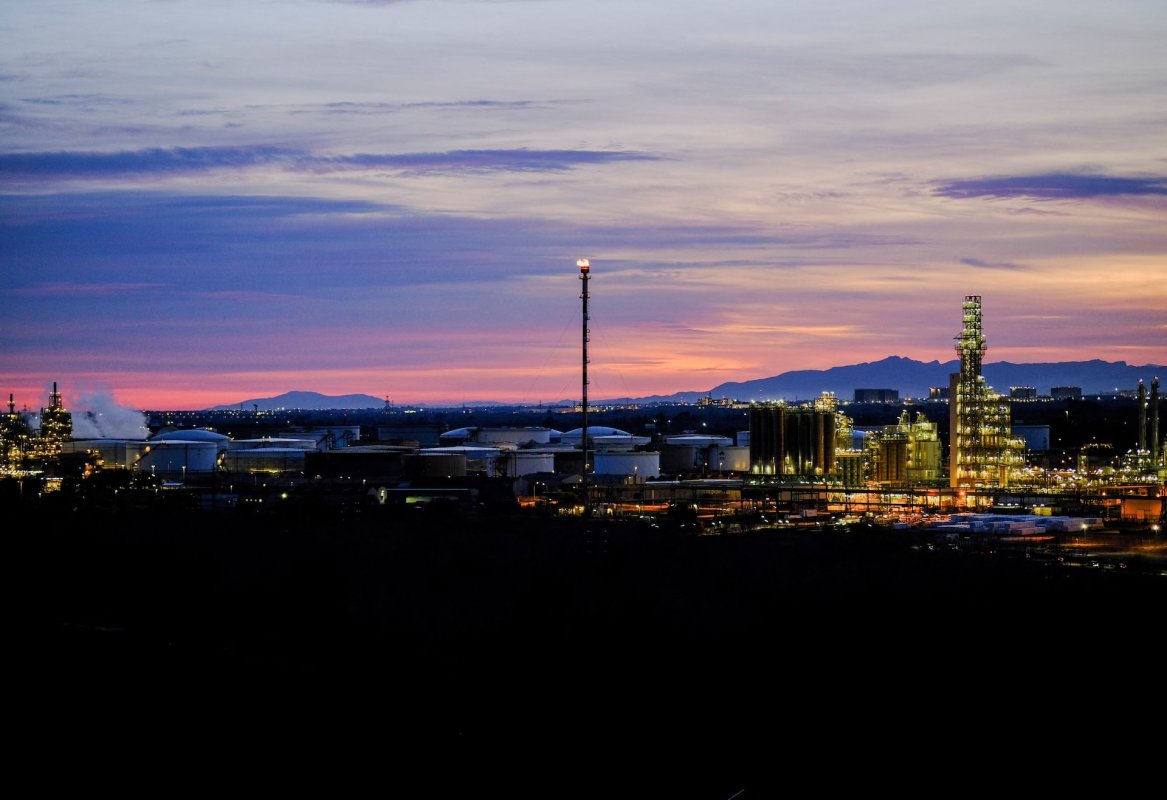
Spain possesses an efficient oil storage and distribution network, ensuring that reserves can be mobilized quickly. There are 8 major refineries nationwide, operated by companies such as Repsol, Cepsa, and British Petroleum. With the exception of the Puertollano refinery, which is located inland and connected by pipeline, the other 7 are situated in coastal areas, greatly facilitating the maritime transport and unloading of crude oil.
These facilities, connected by a complex pipeline network, strategically distribute reserves across five major regions: Levante, Centro (Central), Norte (North), Sur (South), and the Canary Islands. Furthermore, under bilateral agreements, Spain also holds small reserve quotas in France, Italy, Portugal, and Ireland. This diversified storage strategy, combining domestic and foreign locations, ensures that in any emergency, energy products can quickly reach all consumption points nationwide, effectively stabilizing price fluctuations and easing the economic burden on businesses and the public.
