Strategic Initiative: Europe’s Eighth Top-Level Laboratory
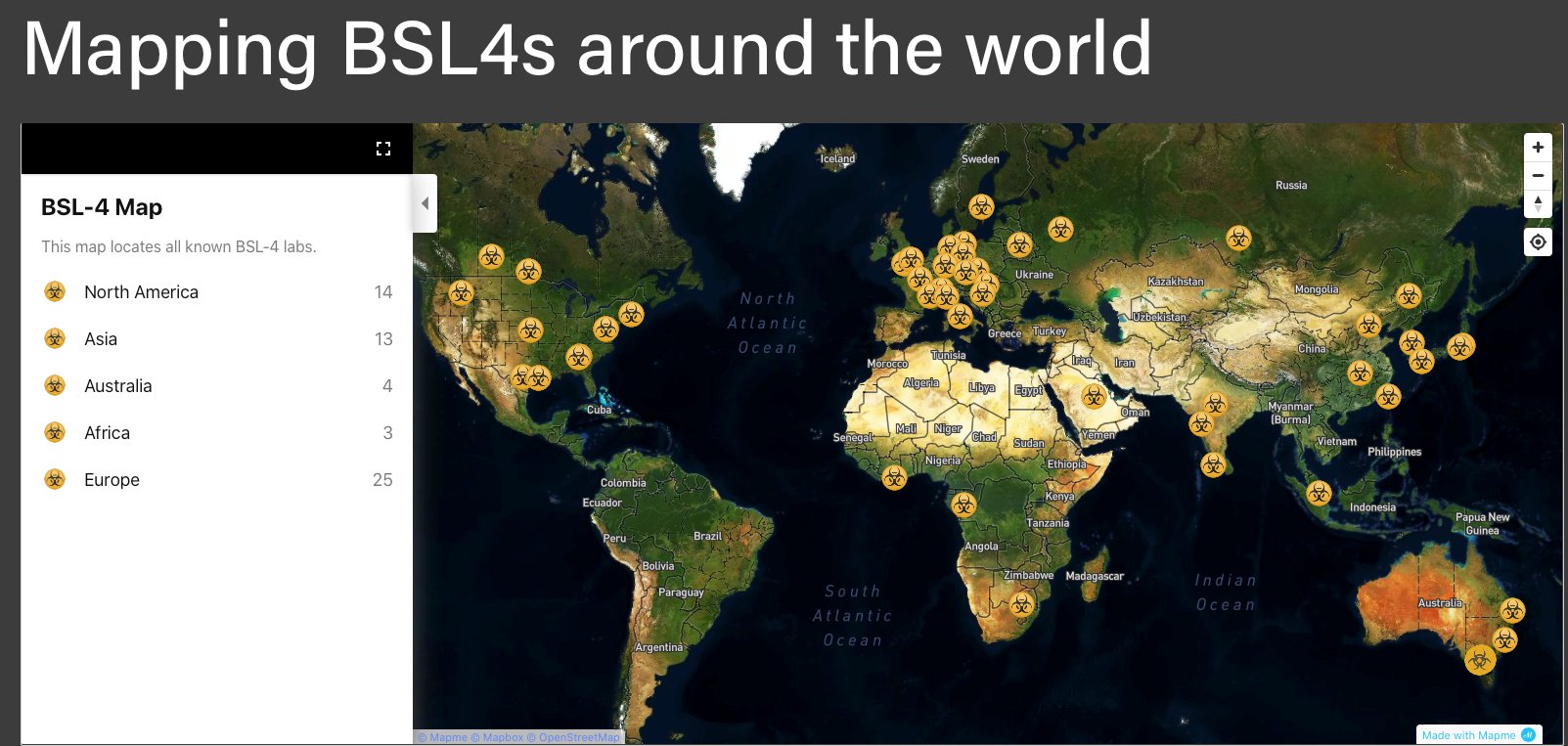
Six years after the outbreak of the COVID-19 pandemic, Spain has officially inaugurated its first and currently only Biosafety Level 4 (BSL-4) laboratory, marking the country’s entry into the top tier of global biological research and security. Located in Tres Cantos on the outskirts of Madrid, the lab was built with a €5.2 million investment from biopharmaceutical giant GlaxoSmithKline (GSK). It is one of the very few maximum-containment biosafety facilities developed by a private company worldwide and one of only eight such labs in all of Europe.
The establishment of this facility is seen as a crucial step for Spain in the fields of national defense and biosecurity, significantly enhancing its strategic autonomy in scientific research. According to the plan, the laboratory will become fully operational in April 2026 and is expected to reach full capacity by the end of 2026.
Research Focus: Targeting Two High-Risk Diseases
The initial core mission of this BSL-4 lab will be to tackle two diseases that pose a serious threat to global public health. The first is multidrug-resistant tuberculosis, which causes approximately 500,000 deaths worldwide each year. The second is Crimean-Congo hemorrhagic fever, a high-risk virus primarily transmitted by ticks with the potential to cause large-scale epidemics. BSL-4 level laboratories are specifically designed to handle the most dangerous pathogens, such as Ebola, and this new facility will initially focus on developing new drugs and treatments for these two diseases, which currently lack effective therapies.
Rigorous Standards: An Elite Team and Extreme Working Conditions
Only seven rigorously selected researchers are permitted to work in the lab. This elite group (five women and two men) has been nicknamed ‘The Magnificent Seven’ due to their select status and the nature of their work. The selection process not only tested their professional skills but also placed extreme demands on their physical and psychological fitness.
The researchers’ work environment is comparable to a scene from a science fiction movie. They work in a completely sealed space deep underground, with each shift lasting four hours. During this time, they are completely isolated from the outside world and cannot drink water or use the restroom. Before entering the lab, they must pass biometric verification, change into multiple layers of disinfected clothing, and don a double-layered, pressurized protective suit with an independent air supply system. To ensure safety, all procedures are carried out in pairs, strictly adhering to a ‘buddy system’ protocol where each person constantly monitors the other’s condition and actions.
Multiple Barriers: Building a Biosecurity Firewall
Although handling high-risk pathogens carries inherent risks, the laboratory minimizes these through multiple physical and procedural barriers. The interior is equipped with state-of-the-art technology, including UV germicidal SAS systems, fully sealed chambers, and positive pressure isolators, creating a robust safety net. Lab director Javier Gamo stated that while absolute ‘zero risk’ is impossible, the GSK R&D center where the lab is housed has maintained a zero-accident safety record for over thirty years.
The launch of this laboratory not only provides Spain with the capability to independently develop new treatments for severe infectious diseases but also builds an essential biological firewall for the world against the threat of unknown viruses.
