Brotherhood Votes to Uphold 530-Year Tradition, ‘Women Ban’ Ignites Controversy
In Sagunto, a city in the Valencian Community of Spain, the 530-year-old Cofradía de la Purísima Sangre (Brotherhood of the Most Pure Blood) held a closed-door general meeting on a Sunday afternoon in March 2026 at the Ermita de la Puríssima Sang (Hermitage of the Most Pure Blood). The central issue was a vote on whether to formally admit women as members. Ultimately, the proposal to amend the statutes was rejected with 114 votes in favor and 267 against. The proposal aimed to change the membership requirement from ‘males (Varones)’ to the more inclusive ‘persons (Personas)’.
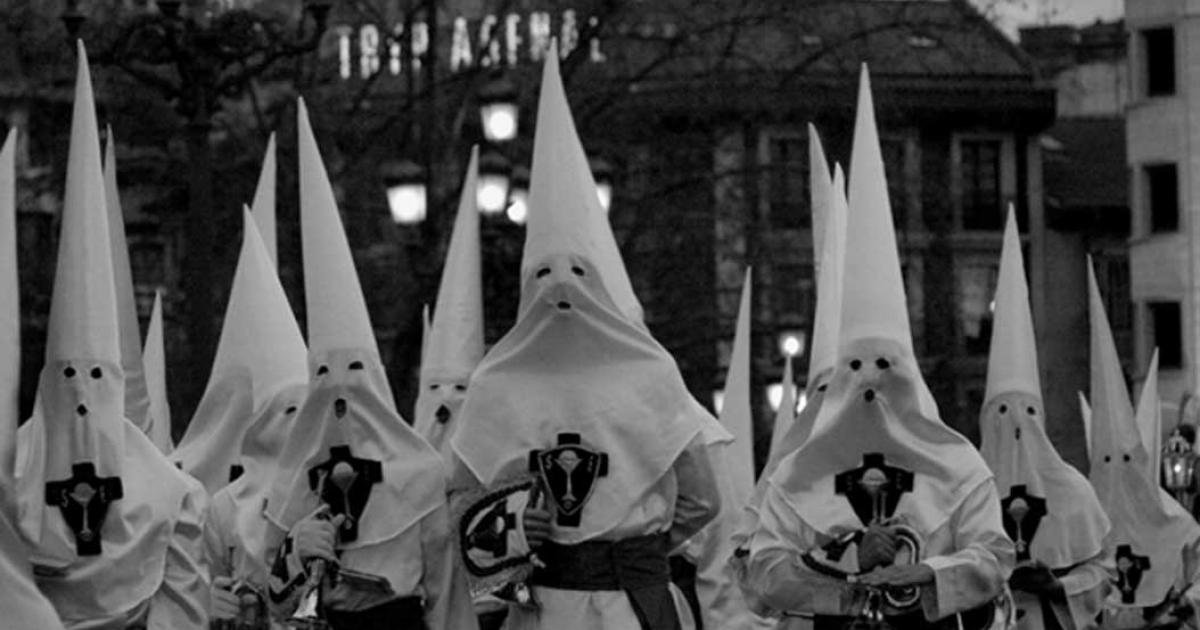
When the result was announced, some members inside erupted in applause, believing that ‘tradition is tradition and cannot be broken,’ with many young people among them. However, outside the hermitage, supporters of the ‘Inclusive Holy Week’ initiative angrily chanted ‘shame,’ expressing their strong disapproval of the decision.
Women’s ‘Behind-the-Scenes’ Role of Exclusion
According to Sagunto’s Holy Week tradition, women’s participation is strictly limited to auxiliary roles outside the procession. They are responsible for ironing and preparing the black hooded robes for their fathers, brothers, or husbands who participate, and they handle logistical tasks such as cleaning the hermitage and selling raffle tickets for the event. However, they are forbidden from wearing the same attire and participating in the public processions as official members.
A female supporter of the reform expressed her disappointment, stating, ‘This was a missed opportunity to change history.’ She pointed out that in other parts of Spain, such as Seville, Málaga, and even Lorca in the Murcia region—whose Holy Week has been declared a Festival of International Tourist Interest—it is commonplace for men and women to participate in processions together. In contrast, Sagunto’s decision appears particularly conservative and isolated, drawing criticism as blatant gender discrimination.
Central Government Swiftly Intervenes, Initiates Title Revocation Process
Following the announcement of the vote, the Spanish central government responded quickly. The Ministry of Industry and Tourism, in conjunction with the Ministry of Equality, issued a statement announcing the formal initiation of legal proceedings to revoke the ‘Festival of National Tourist Interest (Fiesta de Interés Turístico Nacional)’ title from Sagunto’s Holy Week.
The government noted that according to a 2019 ministerial order, festivals awarded this national honor must demonstrate ‘widespread citizen participation.’ Excluding half the population—women—is a clear and serious violation of this core requirement. Sagunto’s Holy Week was granted this title in 2004. If revoked, it would not only be a major blow to its reputation but also result in the loss of valuable national financial subsidies and official brand promotion resources.
The government’s statement emphasized: ‘While associations enjoy freedom of organization, this right cannot override the law. The statutes of procession brotherhoods must respect the fundamental principles of equality and non-discrimination.’
Mounting Pressure and Past Precedents
In addition to the central government, the Instituto de las Mujeres (Women’s Institute) confirmed it has received multiple complaints of discrimination against the brotherhood. The institute has sent a letter to the Sagunto city council and the Cofradía de la Purísima Sangre, explicitly demanding they amend the statutes that exclude women and warning that if they refuse to comply, the case will be escalated to higher supervisory authorities.
In Spain, brotherhoods known as ‘Cofradías’ are traditional organizations that combine the functions of local associations, charitable foundations, and religious societies, playing a central role in various religious festivals. This is not the first time the Spanish government has ‘gotten tough’ with such traditional organizations over gender equality issues. According to reports, the government took similar action against the famous Cofradía Marraja in Murcia in February 2025 and issued a compliance order to another brotherhood in the Castile-La Mancha region in March 2026. This indicates that the Spanish government is systematically reviewing and correcting outdated customs in traditional festivals that conflict with modern laws.
