The Prime Minister’s ‘Glory’ and the People’s ‘Bills’
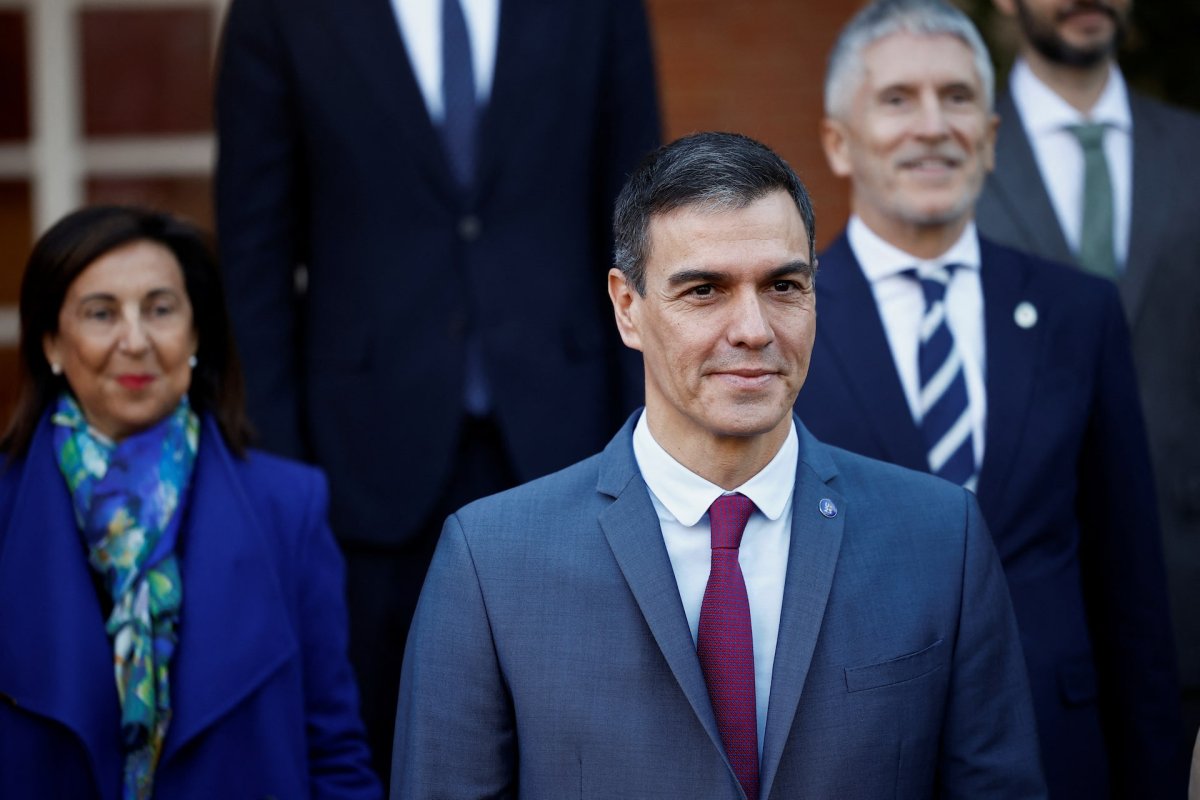
On March 23, 2026, news from the Middle East sparked widespread discussion in Spain. Iran, through its media, displayed missiles intended for an attack on Israel, which prominently featured a photograph of Spanish Prime Minister Pedro Sánchez. Alongside the photo was a message in English, quoting Sánchez’s previous anti-war statement that war is “not only illegal, but also inhumane,” and expressing gratitude to him. This act was interpreted by the outside world as an ‘appreciation’ from Iran for the Sánchez government’s stance on the Middle East issue.
However, this propaganda campaign, aimed at the international community, did not elicit purely proud reactions within Spain. Observers noted that the propaganda slogan was deliberately in English and misused Sánchez’s official title, “Presidente del Gobierno,” suggesting that the intent was more for propaganda than genuine respect. Meanwhile, the Spanish public was more concerned about their own growing cost of living, which stood in stark contrast to this international ‘glory’.
A Contradictory Diplomatic Stage
Ironically, on the very day Prime Minister Sánchez’s portrait was placed on an Iranian missile, Spain’s military actions showed a completely different side. The US Navy destroyer USS Oscar Austin, stationed at the Rota Naval Base in Spain, successfully intercepted a missile fired by Iran over Turkish airspace. According to public information, this interception was supported by Spain, with approximately 150 Spanish soldiers participating in the mission alongside US forces.
This incident highlights Spain’s complex role on the geopolitical chessboard. On one hand, the government adopts a rhetorical stance of distancing itself from the conflict, earning ‘thanks’ from certain nations. On the other hand, as a NATO member and an ally of the United States, its military is deeply involved in confrontational actions. This seemingly contradictory position makes Spain’s foreign policy appear particularly nuanced and complex.
Daily Life Under the Shadow of Inflation
While international political news dominates the headlines, the feelings of ordinary Spanish citizens are far more concrete and real. Persistent inflation is severely eroding household purchasing power. Prices have risen across the board, from basic food items to everyday consumer goods. For instance, the price of a single can of Coca-Cola in some supermarkets has surpassed €1, and the cost of essentials like eggs and vegetables continues to climb.
Soaring prices are forcing residents to change their spending habits, with some families opting for bulk shopping at warehouse-style stores on the outskirts of cities to find more reasonable prices. Furthermore, damage to homes caused by severe weather, coupled with the high cost of repairs and renovations, has added extra financial pressure on many households. Although the government has introduced fuel and electricity subsidies, for pillar industries like tourism, rising prices for flights and hotels could lead to a decrease in tourists, thereby having a more far-reaching impact on the overall economy.
The Imminent Energy Challenge
The economic pressure on the Spanish people is closely linked to the energy crisis facing all of Europe. Since the Russia-Ukraine conflict, EU energy prices have remained high. On March 23, 2026, the European Commission issued another warning, advising member states to prepare in advance for the next winter’s energy supply to cope with the risk of disruptions potentially caused by the situation in the Middle East.
For the general public, this means potentially facing even higher energy bills in the future. Ongoing geopolitical conflicts are exacerbating Europe’s economic woes, accelerating the concentration of wealth among a select few while the real purchasing power of the working class continues to decline. The chain reactions of war are not distant international news but have already seeped into the daily expenses of every European household, becoming a tangible, real-world challenge.
