1. Vado Permanente: A Right of Way, Not a Parking Privilege
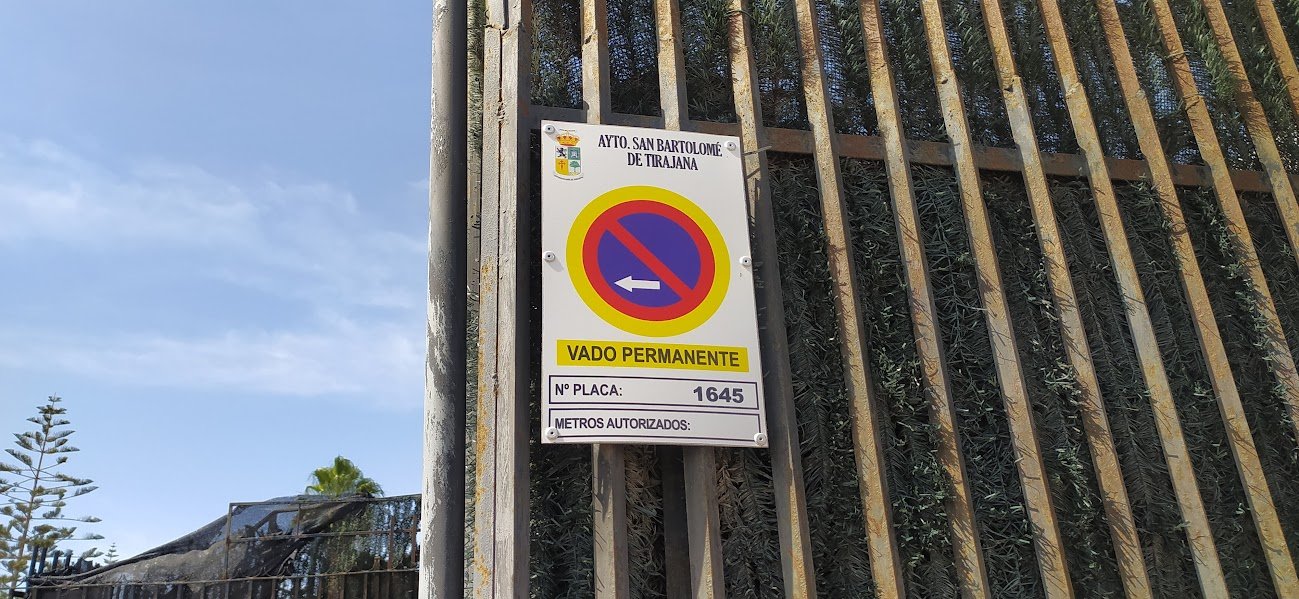
The ‘vado permanente’ sign in Spain, which translates to ‘permanent access,’ legally ensures that property owners have unobstructed 24/7 access to their garage or property. It is a guarantee of right of way, not an exclusive parking permit. A common misconception is that the garage owner can park in this area. On the contrary, the law strictly prohibits anyone, including the vado holder, from parking a vehicle in the zone marked by the sign. Its sole purpose is to serve as an access route for vehicles.
2. The Financial Cost of Illegal Parking
The cost of illegally parking in a vado area is quite high. According to current traffic regulations, any vehicle blocking a vado access will face a €200 fine, although this violation typically does not result in points on your driving license. In addition to fines, maintaining a vado itself requires an ongoing investment. The owner must pay an annual fee to the city council, which varies depending on the area and the size of the garage entrance. Fees usually start from €50 per year and can run into the thousands of euros for larger accessways. Furthermore, the initial application involves costs for the sign’s production and installation. If you find a neighbor’s or another vehicle blocking your vado, you have the full right to report it to the local police and request that the offending vehicle be towed.
3. Defining and Differentiating a ‘Stop’
Spanish traffic law clearly distinguishes between ‘parking’ (estacionamiento) and a ‘stop’ (parada). Generally, in areas where stopping is permitted, a driver can remain for a maximum of two minutes. During this time, the hazard lights must be on, and the driver must be ready to move the vehicle at any moment without obstructing traffic. However, this rule does not apply to vado zones. The fundamental purpose of a vado is to ensure the access way is clear at all times. Therefore, any form of stopping, regardless of duration, is considered a violation if it obstructs entry or exit.
4. How to Apply for a Vado Permanente
Property owners who need to apply for a vado must submit a formal application to their local city council (Ayuntamiento). The required documents typically include: the applicant’s identification, documents proving ownership or right of use of the property, technical specifications of the garage (such as a dimensional plan), and a statement explaining the reason for the application. Once approved, the municipal department will authorize the installation of the official ‘vado permanente’ sign. Applicants must remember that obtaining this license grants a guaranteed right of way, not a free private parking space. Any misuse will result in legal penalties and unnecessary financial losses.
