Geopolitical Conflict Upends Market Expectations
Just a few months ago, the market consensus was that the Euro Interbank Offered Rate (Euríbor) would remain below 2% until mid-to-late 2027. However, the conflict in the Middle East has completely altered this outlook, triggering a rise in oil and natural gas prices and, consequently, higher inflation expectations. As a key indicator reflecting interbank lending costs and economic forecasts, the Euríbor has climbed rapidly at a pace unseen since the last financial crisis.
As of Tuesday, March 25, 2026, the index registered 2.929%, marking its largest single-day jump in nearly two decades. The monthly average for March has already reached 2.479%, significantly higher than the same period last year, signaling a more uncertain economic environment.
Direct Impact on Variable-Rate Mortgages
The sharp rise in the Euríbor has a direct impact on millions of variable-rate mortgage holders in Spain. For loans whose rates are revised annually based on March’s Euríbor data, monthly payments are likely to increase—the first such occurrence in two years. Previously, only mortgages revised semi-annually were affected.
For a typical mortgage of €150,000 over 25 years with a spread of “Euríbor + 1%”, this rate adjustment will lead to an annual increase in payments of approximately €78. While the increase is not substantial yet, it shatters the expectation held by many families that their monthly payments would continue to fall in the coming quarters.
Heightened Macroeconomic Uncertainty
The current rate surge reflects market pessimism about the economic future: growth may slow while price increases become more persistent. This situation puts more pressure on the European Central Bank (ECB) to adopt restrictive policies. If the ECB is forced to raise its official rates to curb inflation, overall borrowing costs will rise further, affecting not only new loan applicants but also increasing the burden on existing borrowers.
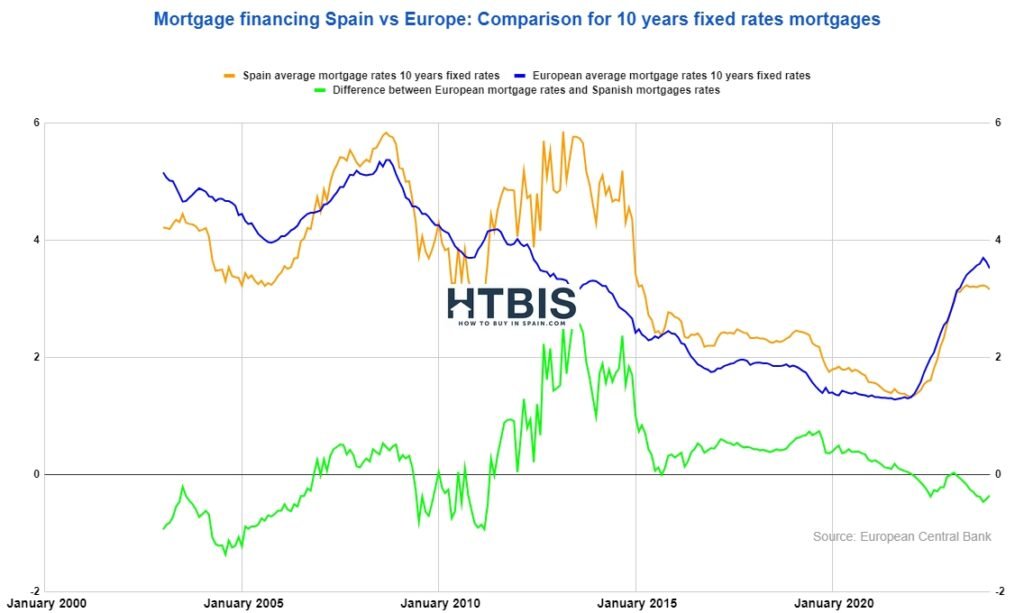
Analysts believe the current risk leans more towards an economic slowdown caused by the combination of rising energy prices and labor market conditions, rather than the persistent high inflation seen after the 2022 crisis in Ukraine. At that time, to combat soaring inflation, the ECB initiated the most aggressive rate-hiking cycle since the euro’s inception, pushing the Euríbor above 4% at one point.
Market Outlook: Higher Rates May Persist for Longer
Faced with a rapidly changing interest rate environment, the market outlook has shifted from optimistic to cautious. Analysis from the property portal pisos.com points out that many households that were anticipating significant relief in their mortgage burdens must now prepare for the possibility of rates remaining at elevated levels for a longer period.
As the geopolitical situation evolves, the trajectory of the Euríbor remains full of variables. For Spain’s current mortgage holders and prospective homebuyers, this means they need to reassess their financial situations to cope with potentially higher borrowing costs and persistent economic uncertainty ahead.
