Personal Wishes vs. Family Disagreement
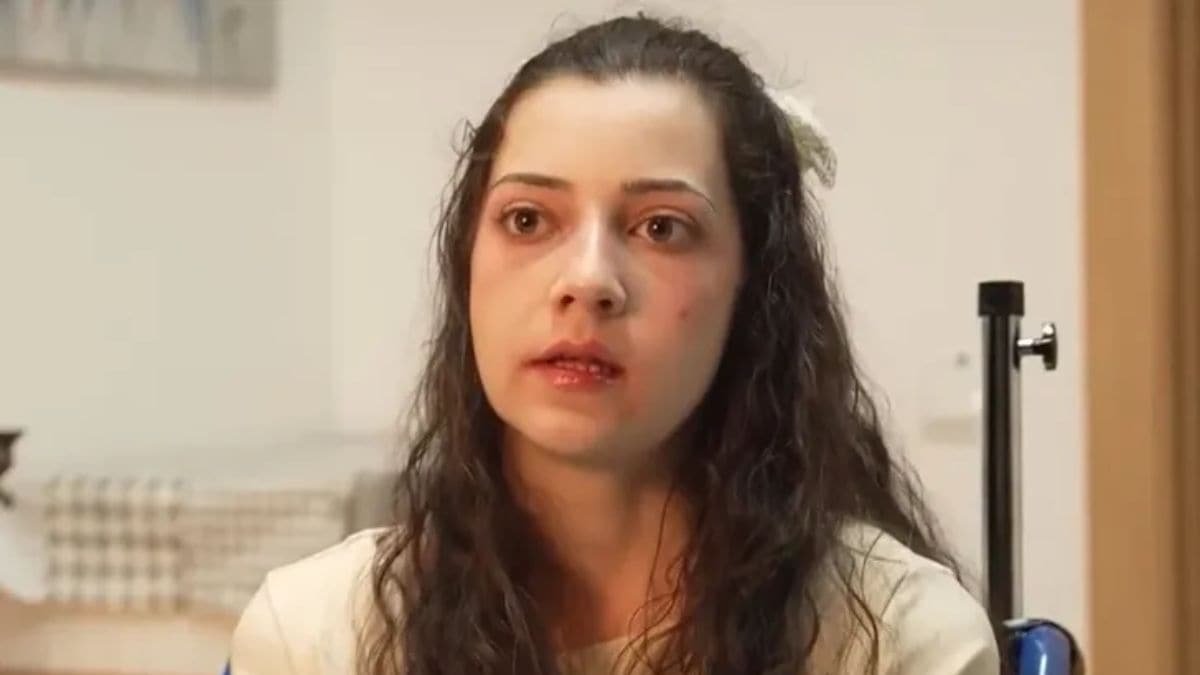
In the Spanish region of Catalonia, 25-year-old Noelia Castillo Ramos was euthanized on March 26, 2026, to end what she described as “unbearable suffering.” She had consistently expressed her wish to “end her life with dignity” since April 2024. Noelia’s ordeal began in 2022 when, after suffering two sexual assaults, she attempted suicide by jumping from a fifth-floor window, which resulted in paralysis from the waist down. Additionally, she had long struggled with borderline personality disorder.
“I just want to stop suffering, that’s all,” Noelia stated in an interview before her death. Her decision caused a major rift within her family. She refused her mother’s request to be with her in her final moments and noted that her father had made it clear he would not attend her death or funeral. She publicly questioned: “The happiness of my parents or my sister should not be more important than my own life. If he (my father) doesn’t listen to me, I don’t understand why he wants me to stay alive.”
A Long and Winding Legal Battle
Noelia’s request for euthanasia was initially approved by the Guarantees and Evaluation Commission of Catalonia (CGAC). However, her father immediately launched a lengthy legal battle to block his daughter’s decision. This legal fight began on July 18, 2024, when her father first appealed the CGAC’s approval.
The case went through multiple levels of the court system. The High Court of Justice of Catalonia (TSJC), while acknowledging the father’s right to appeal, ultimately rejected his request, stating there was “no evidence that Noelia lacked the capacity to make her own decisions.” The court confirmed that her wish for euthanasia had been clear and consistent since April 2024. Subsequently, his appeals to the Spanish Supreme Court and the Constitutional Court were also dismissed on the grounds of “lacking legal basis” and attempting to re-examine established facts.
As the legal process neared its end, her father did not give up. He applied for an emergency injunction from the European Court of Human Rights (ECHR) in Strasbourg, but the request was denied on March 24. With just 24 hours remaining before the euthanasia was to be carried out, his last-minute application to a criminal court for an emergency psychiatric evaluation also failed to change the outcome.
The Core of the Legal and Ethical Debate
The reason this case garnered widespread attention and intense debate in Spanish society lies at its core: the applicant, Noelia, was suffering from both a severe physical disability and a long-term mental illness. This pushed the ethical question of “whether patients with mental illness possess full autonomy to make such decisions” into the spotlight.
The Christian lawyers’ association representing her father argued that Noelia’s fundamental problem was psychiatric and questioned whether she had received adequate psychological treatment. The lawyers pointed out that she had already been assessed with a 67% disability before her suicide attempt, and this rating only increased to 74% after her paralysis, which they claimed supported the view that mental anguish was her primary affliction. However, after multiple rigorous reviews, the Spanish judicial system ultimately determined that Noelia’s decision was made freely and with full information.
Under Spain’s current euthanasia law, the application process is extremely cautious, requiring evaluations by multiple independent doctors, legal review, and repeated confirmation of the person’s true wishes at different points in time to ensure the decision is serious and autonomous. Noelia’s case completed all the legally mandated procedures, and the courts ultimately chose to respect her personal will.
