Court Ruling: Procedural Flaws Invalidate Tax
The High Court of Justice of Madrid (Tribunal Superior de Justicia de Madrid) has recently issued a final ruling on the 2025 waste treatment tax, declaring the entire ordinance void due to “a substantial procedural defect” in its creation. The core of the court’s decision points out that the Madrid City Council failed to publish a crucial technical-economic report when implementing the tax. This report was the essential basis for calculating the tax amount and ensuring its fairness and reasonableness. It is understood that the report cost €100,000 to commission.
The absence of this key document made the ordinance’s creation process opaque, seriously violating taxpayers’ rights to information and oversight. Consequently, the court classified the collected tax as “undue revenue,” legally obligating the city council to fully refund the nearly €296 million collected in 2025 to its citizens.
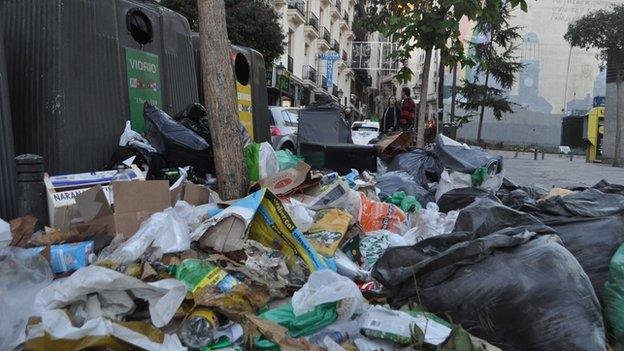
City Council’s Response: Exploring Appeal Options, Refunds on Hold
In response to the court’s decision, the city government, led by Mayor José Luis Martínez-Almeida, has not immediately initiated the refund process. Officials have stated that their legal department is studying the possibility of an appeal and have urged citizens to be patient. The administration also attributed partial responsibility to legal requirements from the central government and environmental directives from the European Union, claiming the tax was introduced to comply with these regulations.
The city council also argued that the defect has been rectified for the 2026 waste tax by supplementing the procedural documentation. However, it has not provided a clear timeline for handling the nearly €300 million of unlawfully collected revenue from 2025.
Public Reaction: Opposition and Civic Groups Launch Campaigns
The ruling has triggered a strong reaction in Madrid’s political and civil spheres. The main opposition party, Más Madrid, quickly launched a large-scale campaign titled “Almeida Owes You Money” (Almeida te debe pasta). The party’s leader, Rita Maestre, announced that they would set up in-person petition points in all 21 districts of Madrid and have launched a dedicated website to guide citizens on how to apply for a refund from the Madrid Tax Agency (Agencia Tributaria de Madrid) through official channels.
Simultaneously, the Regional Federation of Neighborhood Associations of Madrid (FRAVM) has also spoken out, urging the city council to adhere to the “principle of good administration” and proactively issue a collective refund to all taxpayers. They argue this is preferable to forcing citizens to reclaim their money through complex individual administrative appeals, which they see as a tactic to deliberately delay the process.
Political Stalemate and Future Outlook
This tax dispute has evolved from a legal issue into a serious political crisis. As district councils are set to debate the matter in April, the Almeida administration will face increased political pressure. Legal experts generally agree that regardless of whether the city council decides to appeal, the High Court’s ruling is already effective. This means that even if legal proceedings are prolonged, the city will ultimately have to bear the financial responsibility for its significant administrative oversight and refund this substantial sum.
