Public Security Survey: Fear of ‘Okupas’ Surpasses Burglary for the First Time
As the Holy Week holiday approaches, concerns about home security in Spanish society have significantly increased. According to the “Building and Housing Security Report” released by Grupo Mutua de Propietarios, 37% of Spaniards state their biggest worry is their home being illegally occupied during the holidays, a figure that for the first time surpasses the fear of home burglary (36%).
Although official data shows over 74,000 home burglaries occurred nationwide in Spain last year, far exceeding the number of known illegal squatting cases, the psychological impact of squatting on the public is much stronger. This sense of powerlessness, having one’s “home taken over by others,” has led to an average public rating of home security of just 5.9 out of 10. Especially in large cities like Madrid, the common practice of residents traveling for extended holidays is believed to exacerbate the risk of this problem.
New Tax Rule Sparks Controversy: ‘Imputed Rent’ Tax Required for Squatted Properties
A regulation from the Spanish Tax Agency has sparked immense controversy among landlords. According to current laws, even if a property is occupied by illegal squatters (colloquially known as “Okupas”), preventing the owner from using it and receiving any rent, the landlord is still obligated to pay the imputed real estate income tax (renta inmobiliaria imputada), or so-called “imputed rent” tax, on their personal income tax return for that property.
This regulation is criticized by legal professionals as unfair treatment of victims, arguing that it further penalizes citizens who have already suffered losses from the invasion of their property. The logic of “having no control over the property, yet still needing to pay taxes for it” means that landlords, during the lengthy legal process of evicting squatters, must also bear an additional tax burden.
Vulnerable Groups Emerge as Main Targets: A Profile of Squatting Victims
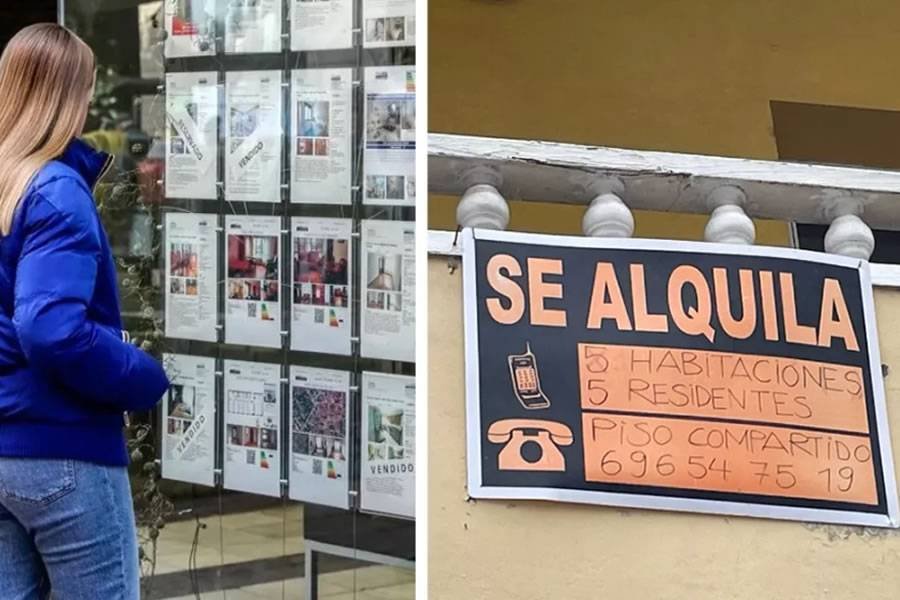
Survey data shatters the traditional impression that illegal squatting only targets luxury homes or wealthy neighborhoods, revealing that vulnerable groups are more likely to become targets. The report indicates that low-income households account for as high as 3% of victims, while small homes under 60 square meters are affected in 2% of cases.
Furthermore, residents of single-story detached homes or in medium-sized city communities express particularly high levels of anxiety, with up to 55% of them worried about this issue. This indicates that illegal squatting has become a widespread social problem, with its targets shifting towards communities and families with weaker protective capabilities.
Coping Strategies and Future Outlook: From Personal Prevention to EU Legislation
Faced with a worsening situation, 72% of citizens report that installing security measures like high-security doors or smart surveillance systems places a significant financial strain on them. In response, experts suggest that in addition to strengthening physical protection, homeowners should properly safeguard key documents such as property deeds and utility bill records, and establish a neighborhood watch system with neighbors to enable rapid response and evidence provision should an incident occur.
On a macro level, the issue is also gaining attention at the European Union level. Reports suggest that EU institutions are promoting legislation aimed at compelling member states to simplify the legal procedures for evicting illegal occupants. If this legislation is implemented, it could provide a more effective legal tool to fundamentally address the widespread problem of illegal squatting in various countries and protect citizens’ private property rights.
