Rents Hit New Highs as High-End Market Booms
According to the latest data, the average rent in Barcelona for 2025 has climbed to €1,482 per month, a 7.1% increase from the previous year. The year-over-year price increase per square meter is even higher, at 8.9%.
This market polarization is particularly evident in the high-end rental sector. Data shows that the number of rental contracts exceeding €2,500 per month has doubled in just one year. This indicates strong demand in the luxury segment, but it also intensifies the pressure on the standard housing market.
The “Vanishing” Mid-Sized Apartment and Supply Imbalance
The report highlights a rapid decline in mid-sized homes suitable for middle-class families. The primary reason is that many landlords, after a tenancy ends, are choosing to sell their properties to cash in on their assets rather than re-listing them on the rental market. This trend has created a structural shortage in rental supply, leaving only very small apartments or expensive luxury properties available.
Proportion of Expat Tenants Rises, Putting Pressure on Locals
The tight supply and demand in the rental market have directly impacted tenant demographics. Statistics show that foreigners now account for 58% of all new rental agreements, while the proportion of local residents has shrunk to 42%. This shift has had a severe impact on local young people, with Spanish youth under 30 finding it nearly impossible to secure affordable housing within the city, significantly squeezing their living options.
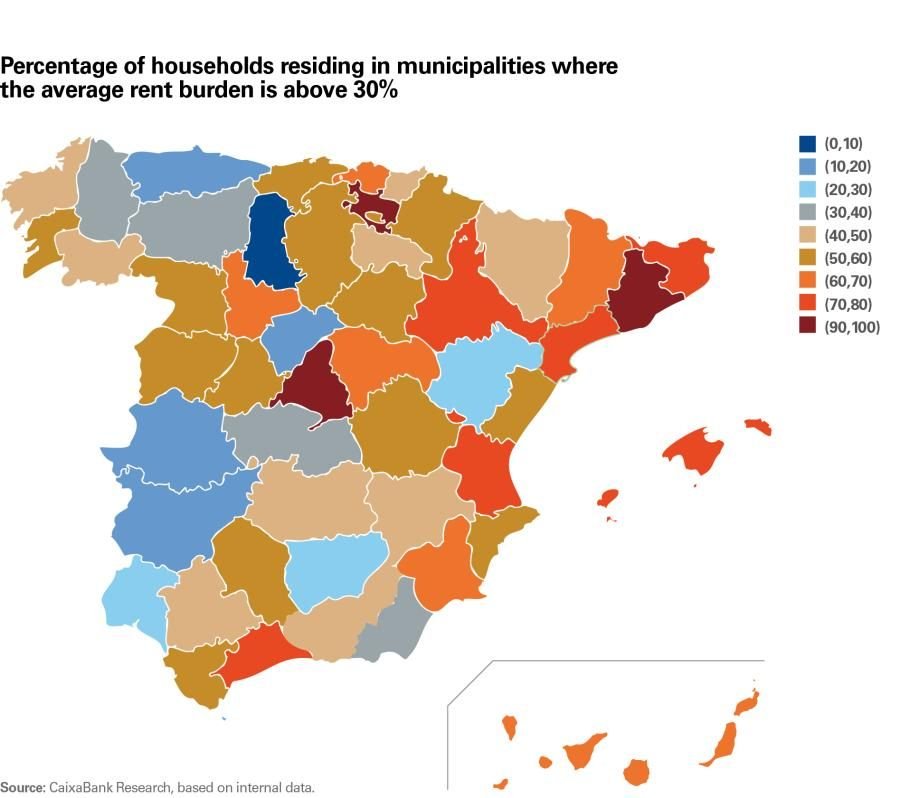
Drastic Differences in Rent Hikes Across Districts
Regionally, rent increases vary dramatically across Barcelona’s districts. For instance, the Gràcia district saw an annual rent increase of 29%. Even more extreme is the Horta-Guinardó district, where rents astonishingly soared by 69% in one year, highlighting the acute supply-demand conflict in specific areas.
Policy Dilemmas Amid Macroeconomic Uncertainty
Amid macroeconomic anxiety in 2026, reportedly sparked by international conflicts (such as a war in Iran), the Spanish government attempted to pass a “mandatory two-year contract extension” law to protect tenants. However, the bill faced significant opposition in parliament and failed to pass, which in turn worsened negative market expectations. For tenants, the current situation is grim. Verifying whether their contracts include extension clauses for special circumstances has become a crucial means of protecting their rights.
