€5 Billion Tax Cut Plan Gets Legislative Backing
A €5 billion anti-crisis decree proposed by the Spanish government has finally passed after a highly uncertain congressional vote. The decree’s core measures include reducing taxes on fuel, electricity, and gas, and providing direct aid to hard-hit sectors like agriculture and transport. This gives formal legislative support to a series of tax cuts that had already come into effect last week.
The Decisive Vote: A Deal Between the Ruling Party and Junts
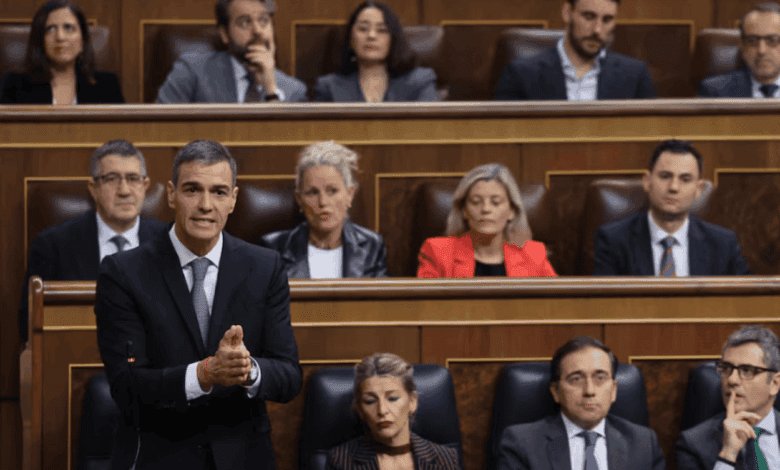
The decree’s passage was far from smooth, with its fate hanging in the balance until the last moment. To secure its approval, the ruling Socialist Party (PSOE) struck a key deal with Junts. In exchange for their “yes” votes, Junts secured PSOE’s support for another of their proposals: a VAT exemption for self-employed individuals earning less than €85,000 annually. This trade-off ultimately allowed the bill to pass. The vote results showed clear opposition from Vox, while Podemos and the People’s Party (PP) chose to abstain.
“Yes, But…”: The Complex Stances of Political Parties
Although the bill passed, nearly all participating parties expressed some level of dissatisfaction. Several parties that voted in favor also voiced criticism of the plan.
- People’s Party (PP): Accused the government of “plagiarizing” its proposals and deemed the measures “insufficient.”
- Podemos: Criticized the measures as a “disguised subsidy” for the oil industry and warned that if the situation doesn’t improve, the government must introduce more effective solutions.
- The attitudes of the governing coalition’s allies were also nuanced. Although Sumar voted in favor, its spokesperson warned the PSOE “not to make things so complicated.” Other left-wing parties like ERC and Bildu also described the plan as “lacking ambition” or “long overdue.”
Deep Rifts Behind the Vote
This vote was more than just a legislative decision; it revealed the deep tensions within Spain’s left-wing governing coalition. It was reported that during a Council of Ministers meeting, a minister from Sumar even staged a sit-in to pressure Prime Minister Sánchez to include a housing issue on the agenda. Analysts believe that repairing these internal political rifts could be more challenging than tackling the current economic shocks.
