The Specifics of the Time Change
In accordance with a unified EU directive, Spain will officially switch to Daylight Saving Time (DST) in the early hours of the last Sunday of March 2026, which is March 29. The change will take place during the night between Saturday (the 28th) and Sunday (the 29th), when 2:00 AM will jump directly to 3:00 AM. This means that March 29 will only have 23 hours.
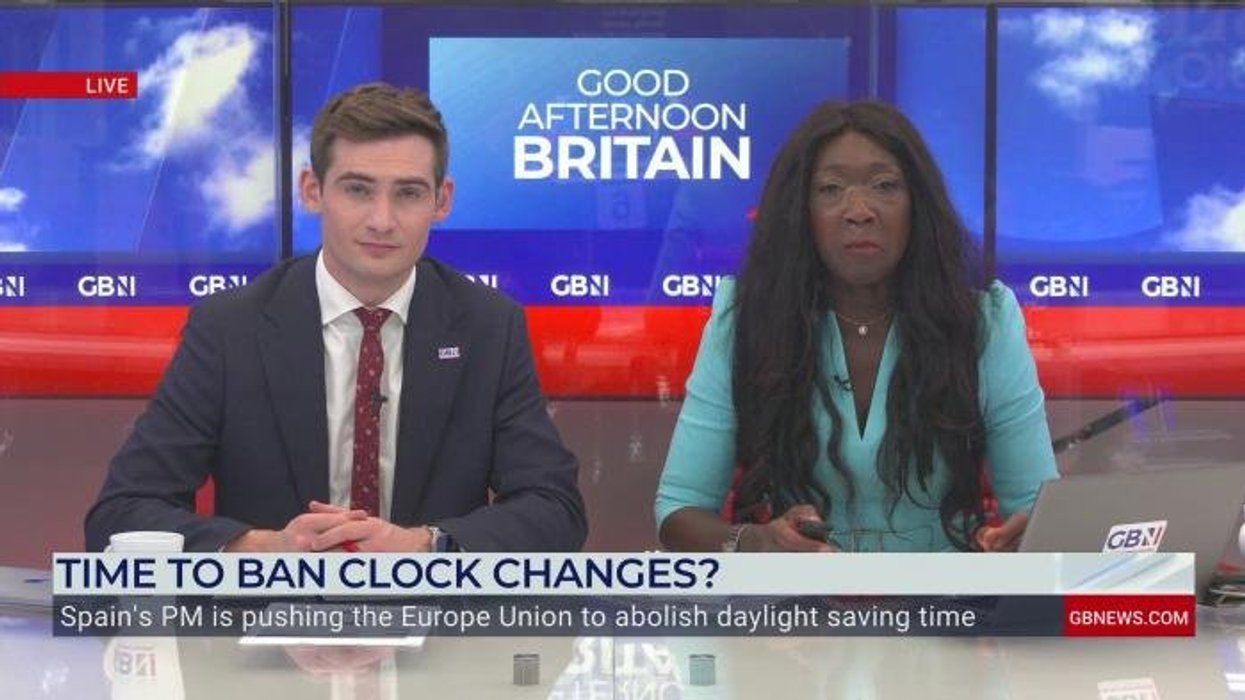
Following this adjustment, sunrise and sunset times in Spain will be one hour later, allowing people to enjoy more natural light in the evenings. While most internet-connected electronic devices, such as smartphones and computers, will update the time automatically, traditional clocks, car clocks, and some non-connected home appliances will still need to be adjusted manually. This period of DST will last until Sunday, October 25, of the same year.
The Policy’s Continuation and History
Despite ongoing debates about abolishing Daylight Saving Time, the European Commission announced in its official gazette on March 18 that the DST schedule for 2027 to 2031 has been set, continuing the practice of starting on the last Sunday of March and ending on the last Sunday of October. This indicates that the policy will remain in effect until member states reach a new consensus.
The DST system was first widely adopted during the oil crisis of the 1970s. Its core objective was to reduce lighting and energy consumption by aligning daily schedules with natural daylight. However, with societal development and changes in energy structures, its energy-saving effects are no longer as significant as they once were.
The ‘Energy-Saving Myth’: An Economic Analysis
In recent years, an increasing number of studies have questioned the energy-saving benefits of DST. Economist Santiago Niño Becerra has pointed out that during DST, Spain’s actual time is two hours ahead of its corresponding theoretical time zone, Greenwich Mean Time (GMT).
His calculations show that the economic benefits of the policy are extremely limited. An average Spanish household is estimated to save only about 6 euros over the entire DST period, while the average energy savings for businesses is a mere 0.3%. Becerra argues that such minimal gains do not justify the various inconveniences and disruptions the time change causes society, especially in a country like Spain, which is already rich in sunlight.
Calls for Abolition from Government and the Public
The Spanish government has repeatedly stated its preference for ending the seasonal time changes. Prime Minister Pedro Sánchez has publicly declared that scientific research has proven the policy no longer offers significant energy-saving advantages and instead disrupts the public’s biological rhythms, making it ‘no longer practical’.
Teresa Ribera, a Vice-President of the European Commission from Spain, holds a similar view. She believes that today’s lifestyles and energy consumption patterns are vastly different from those during the 1970s energy crisis, making this an ‘opportune moment’ to reconsider and discuss the abolition of the system.
Furthermore, opposition from the public is also growing. The international organization ‘Time Use Initiative’ plans to launch a Europe-wide campaign in mid-April called ‘#MyTimeMatters’ to address various time-related misalignments affecting daily life, with the DST adjustment being one of its key focuses.
