Polígono Sur: The Harsh Reality Behind the Stigma
In the southeastern part of Seville, Spain, lies the neighborhood officially known as Polígono Sur. Planned and built in 1962, the area includes nearly 3,000 low-rent housing units, intended to address the population migration and housing crisis of the time. However, over the years, it became colloquially known as ‘Las 3000 Viviendas’ (The 3000 Homes), a name synonymous with poverty, rampant drug problems, and social stigma.
Currently, the neighborhood has a registered population of 30,000 and has the lowest income level in all of Seville. Residents have long been plagued by issues such as inadequate infrastructure, high unemployment rates, and social exclusion. Children growing up here face severe educational and developmental challenges.
Emilio ’Caracafé’s’ Personal Mission
This reality was witnessed firsthand by Emilio Fernández de los Santos, a Gitano flamenco guitarist born and raised in the area. Known by his stage name, Emilio ‘Caracafé’, he has collaborated with many famous artists. Having grown up here, he personally experienced the devastation the drug crisis of the 1980s wreaked on his community and refused to accept the stereotypes and fatalistic attitudes society held about his home.
‘Caracafé’ believed that the new generation of children should not repeat the same mistakes and be forever branded with negative labels. Driven by a determination to change the future of his community, he started a personal initiative. Initially, in the form of the ‘Club Caracafé’, he used his own guitar to teach local children flamenco music for free, planting a seed of hope.
The Alalá Foundation: A Decade of Growth and Impact
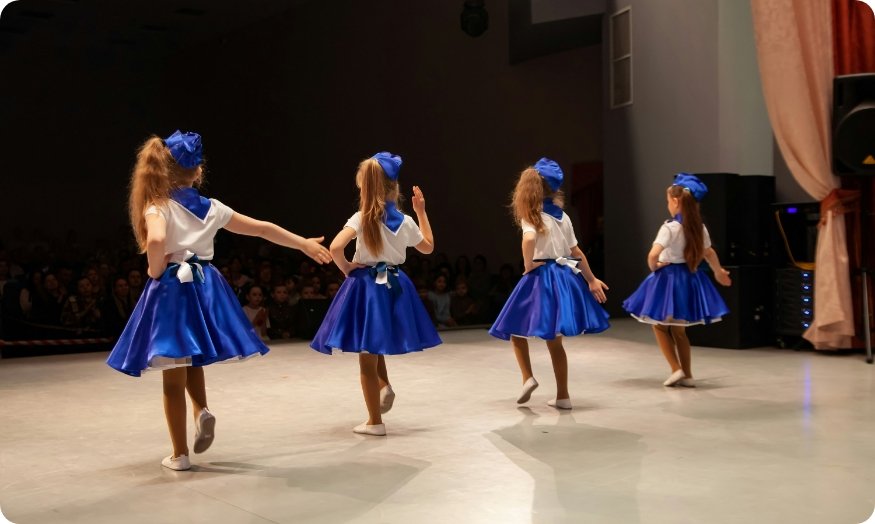
Building on this initial vision, the Fundación Alalá (Alalá Foundation) was formally established about ten years ago. Located in a modern building in the heart of the neighborhood, the foundation is dedicated to providing children and teenagers aged 6 to 18 with opportunities to stay off the streets and get back into the classroom through arts and sports education. The foundation’s core philosophy is to use flamenco culture—guitar, singing, and dancing—as a motivational tool to cultivate discipline, concentration, and self-confidence in children.
The foundation’s operations rely on support from all sectors of society. One of the current directors, Blanca Pareja, is responsible for fundraising, while local renowned entrepreneur and founder of Konecta, José María Pacheco, is a key long-term sponsor. Today, the foundation boasts a professional team of 22 teachers and staff, including figures like musician Miguel Ángel Magúesim, who has collaborated with several legendary artists.
The Remarkable Impact of Arts Education
After ten years of relentless effort, the Alalá Foundation has supported over 400 children, with astonishing results. Many children who came through the program have not only avoided dropping out of school but have gone on to university, studying fields like computer science, criminology, medicine, and business administration, completely breaking the intergenerational cycle of poverty.
‘Caracafé’ firmly believes that every child has the right to pursue their own dreams. He often encourages the children: “Do you want to be an astronaut? Then go for it!” To this end, the foundation has established a scholarship program to support outstanding students in attending top-tier universities. On its tenth anniversary, the Alalá Foundation has become a source of pride for the Polígono Sur neighborhood, proving with concrete results that arts education is a powerful force for changing destinies and reshaping a community’s future.
