A Sector Under a Double Squeeze
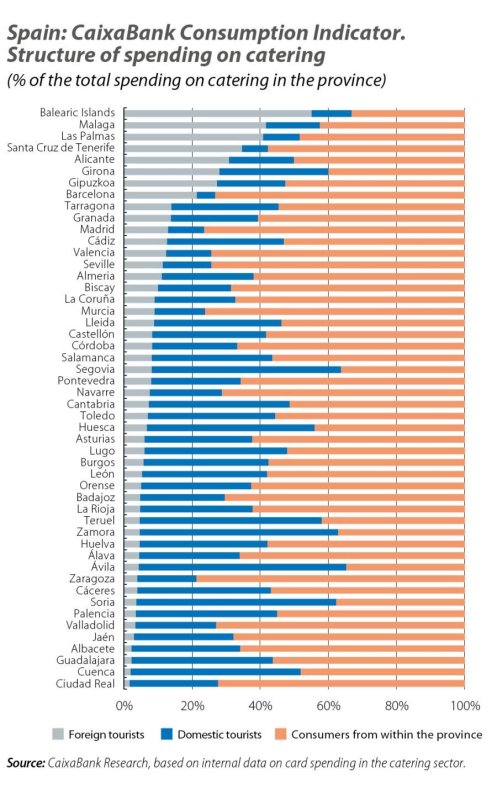
Spain’s restaurant sector is navigating a difficult period, caught in a “double squeeze” of rising costs and shrinking demand. On one hand, key operational expenses like raw materials, gas, and electricity continue to soar, severely compressing profit margins. On the other, economic uncertainty is making consumers more cautious, leading to significant shifts in spending habits. Data reveals this critical situation is forcing an average of over 30 bars and restaurants to close their doors nationwide each day. While outdoor terraces and similar venues still manage to attract some customers, the growth in the average check size lags far behind the inflation rate, causing a substantial decline in businesses’ real profitability.
Shifting Consumer Behavior and Market Polarization
The core challenge facing the industry today stems from a profound shift in consumer behavior. A growing number of customers are forgoing traditional, high-priced restaurants in favor of more value-oriented options like cafés, fast-food chains, or pizzerias. This trend has fueled a market polarization: establishments offering fixed-price menus, set menus, and budget-friendly chains are finding opportunities for growth. In contrast, smaller, high-end boutique restaurants and traditional bars are under immense operational pressure. Furthermore, the increasing availability of ready-to-eat meals in supermarkets has siphoned off a portion of the dining market, becoming a significant competitor that the industry cannot ignore.
A Widespread Trend Across Europe
The struggles of Spain’s restaurant industry are not an isolated case but reflect a widespread phenomenon across Europe. In Germany, for instance, bankruptcies in the hospitality sector are on the rise. Statistics show that in 2025 alone, over 2,900 restaurants declared bankruptcy, with the cumulative number over the past five years exceeding 11,000. Industry analysis indicates that approximately 42% of European consumers admit to dining out less frequently, a change that directly translates to declining foot traffic for establishments and exacerbates their financial difficulties.
Adaptation and Survival: The Path Forward for the Industry
In the face of this new market environment, adaptability has become the key to survival for restaurant businesses. Those that manage to survive, and even thrive, amidst the crisis typically have a clear business strategy. They either attract price-sensitive customers by offering exceptionally value-for-money options or lock in a specific clientele by creating unique dining experiences to achieve differentiation. Efficient internal management and strict cost control are also essential tools for responding to new consumer habits. While opening a restaurant remains a dream for many, the real challenge for everyone in the industry now is how to achieve long-term, sustainable operation in the current climate.
