Why is AC Installation More Than a Private Matter?
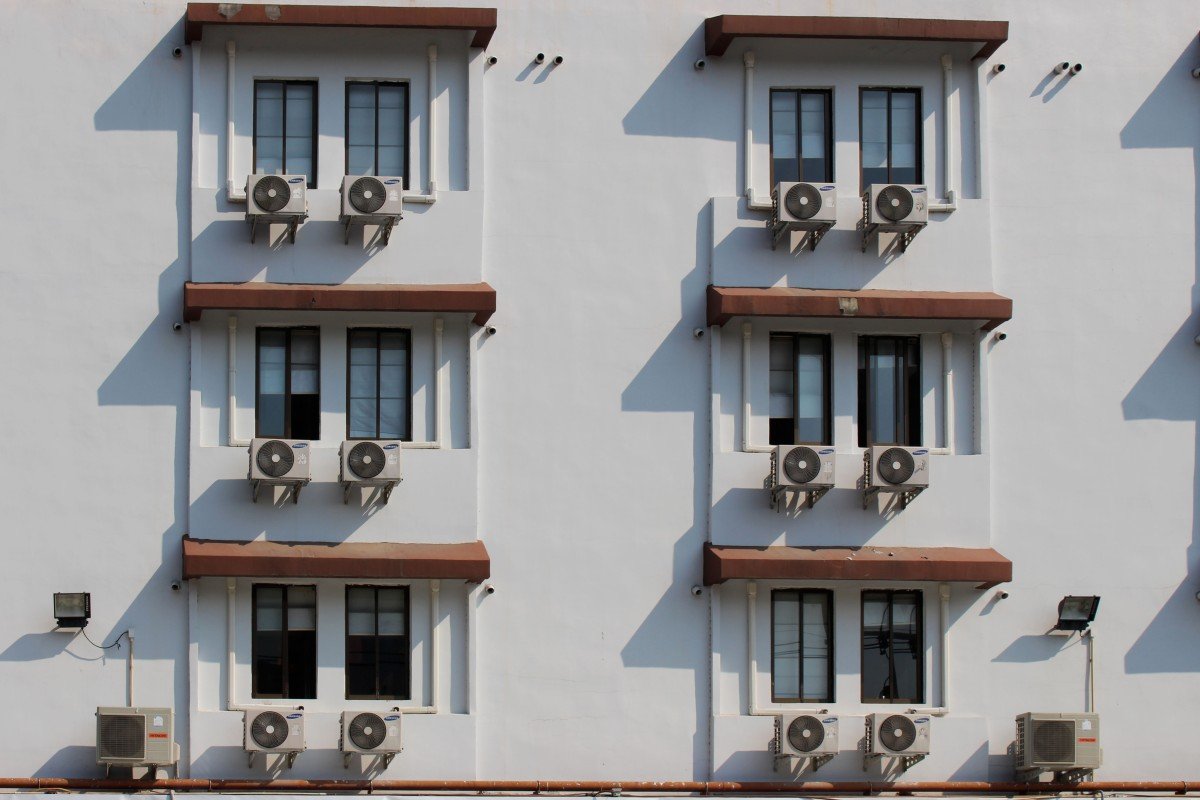
As temperatures rise year after year, air conditioning in Spain is transitioning from a luxury to a necessity. According to data from the real estate portal Idealista, about 50% of rental properties nationwide are now equipped with AC. However, many homeowners overlook a key legal fact when installing outdoor units: the building’s facade is a common element. Any modification that could affect its appearance or structure goes beyond the scope of private decision-making.
Under Spain’s Horizontal Property Law (Ley de Propiedad Horizontal), while owners have the right to make alterations within their private property, this right is strictly limited. They cannot alter the building’s external structure, configuration, or appearance, nor can they infringe on the rights of any other owner. Mounting an AC outdoor unit on the facade directly falls under this core restriction.
The Legal Framework: The Decisive Role of the Community of Owners
The Horizontal Property Law clearly states that any alteration involving common elements must be approved by the Community of Owners. This means that before contacting an installation company, the owner must first submit a formal request to the president of the community or the property administrator.
In most cases, this request must be presented at a homeowners’ meeting (Junta de propietarios) for discussion and a vote. The law specifies a clear majority requirement: approval typically needs a three-fifths (⅗) majority of the total owners who also represent three-fifths of the ownership shares. If an owner proceeds with an installation without following this legal procedure, even if the work is completed, the community has the right to take legal action to demand the removal of the unit and the restoration of the facade to its original state, with all costs borne by the offending owner.
Dual Constraints: Community Bylaws and Municipal Regulations
Beyond the national legal framework, each community’s internal bylaws (estatutos de la comunidad) may contain more specific and stricter rules. For instance, the bylaws might have already designated the only permissible locations for outdoor units (such as interior patios, specific balconies, or the rooftop), set rules on the type and size of the units, or in some cases, completely prohibit any installations on the facade to maintain the building’s uniform appearance.
Furthermore, local municipal regulations (normativas municipales) also have requirements regarding noise levels and urban aesthetics. Therefore, the argument that “my neighbor already has one” is not a valid legal basis for your own installation. Each installation must be assessed independently for compliance, and past violations do not set a legal precedent.
How to Install Your AC Compliantly: Key Steps and Advice
To avoid unnecessary financial losses and neighbor disputes, the safest strategy is to “get permission before you begin.” The correct procedure should include the following steps:
- Review the Bylaws: First, carefully read your community’s bylaws to understand the specific rules regarding air conditioner installation.
- Submit a Formal Request: Submit a written request to the community president or property administrator detailing your installation plan.
- Wait for Approval: Patiently wait for the homeowners’ meeting to be held and a vote to take place, and obtain a formal, written resolution of approval.
Following this process is the only way to ensure your “summer savior” is legal and compliant, rather than a future “headache”.
