Daylight Saving Time Arrives: A Challenge for Our Body Clocks
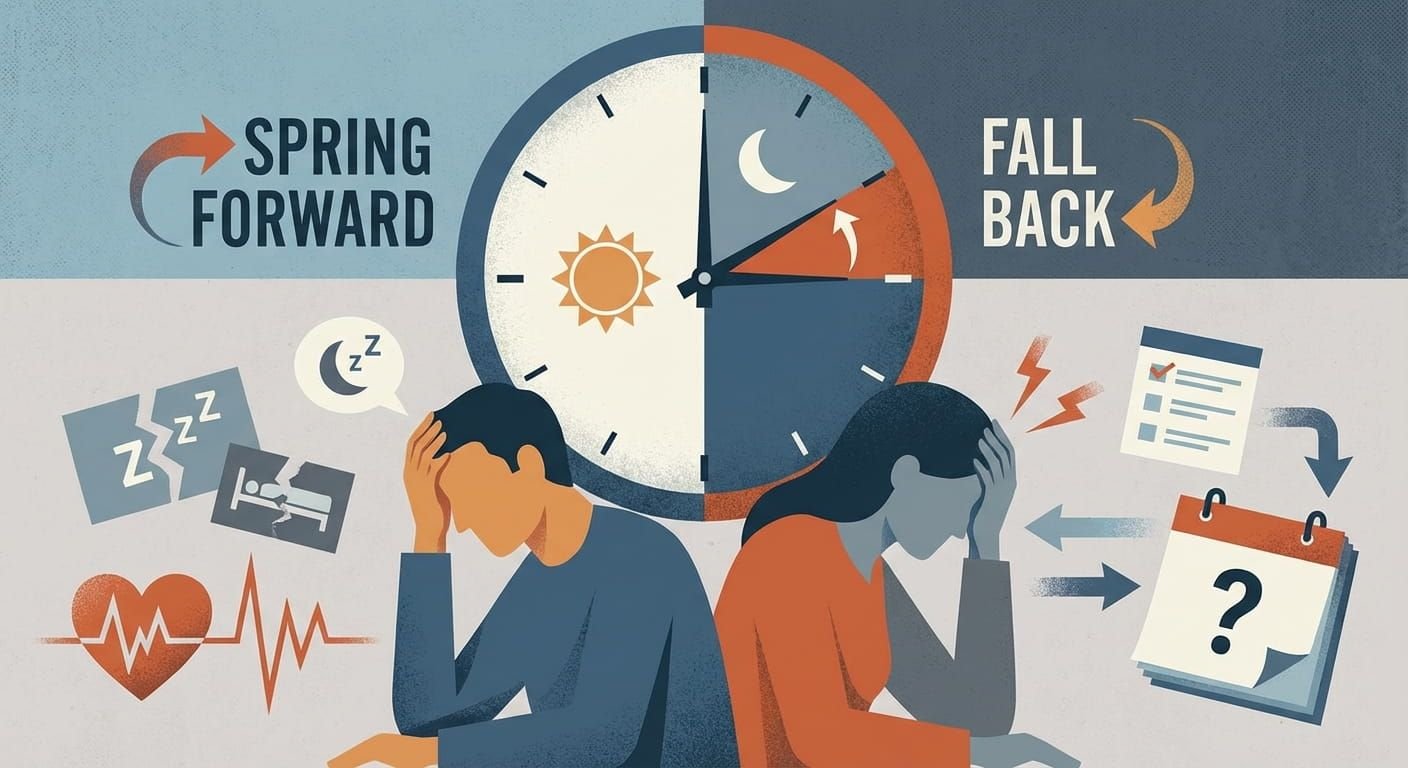
Spain will switch to Daylight Saving Time (DST) late on Saturday, March 29, when clocks will spring forward from 2:00 a.m. to 3:00 a.m. This one-hour artificial adjustment may seem minor, but health experts point out that it disrupts the synchronization between official time and the body’s internal clock. Light is the primary cue for regulating our biological cycles, and the sudden time change forces the body to recalibrate key functions such as sleep patterns, hormone secretion, and temperature regulation, thereby disturbing the core circadian rhythm.
Common Discomfort and Challenges for Specific Groups
In the days following the time change, many people may experience daytime sleepiness, increased fatigue, or difficulty concentrating. Lucía Miranda Cortés, an expert from Sanitas, explains that the brain needs time to adjust to the new rhythm. Being forced to wake up before the natural sleep cycle is complete can lead to mood swings or irritability. These effects are particularly pronounced in two groups: adolescents, whose biological clocks naturally tend towards later sleep and wake times, and the elderly, whose sleep regulation systems are more fragile, making them more susceptible to waking up too early at night or feeling groggy in the morning.
Potential Serious Health Threats
More seriously, the spring forward is linked to an increased risk for cardiovascular health problems. Epidemiological studies show a rise in the incidence of myocardial infarction (heart attacks) in the days following the start of DST. A large-scale study in Sweden even found a 24% increase in acute heart attack cases in some areas during the first three days after the change. Furthermore, there’s also a rise in hospitalizations for stroke, triggered by sleep deprivation and circadian disruption. This abrupt shift in light exposure patterns can also negatively affect mental health, increasing the likelihood of depressive episodes and impairing cognitive performance.
Expert Advice: How to Smoothly Navigate the Transition
To minimize the negative effects of Daylight Saving Time, experts recommend preparing in advance. You can start a few days before the change by gradually shifting your bedtime and wake-up time 15-20 minutes earlier each day. On the mornings after the switch, get plenty of exposure to natural light to help your brain synchronize with the new time more quickly. Additionally, avoid using electronic screens like phones and computers before bed and reduce your caffeine intake. Miriam Piqueras, Medical Director of Sanitas Mayores, advises that if symptoms like fatigue or insomnia persist for several weeks without improvement, you should seek professional medical help. Maintaining regular meals and engaging in moderate physical exercise are also effective ways to help your body adapt to the new clock swiftly.
