Spain’s State Meteorological Agency (Aemet) issued a warning on March 30, indicating that a complex weather system will bring extreme conditions to the Iberian Peninsula and the archipelagos. The public is urged to remain vigilant for strong winds, high waves, and dust.
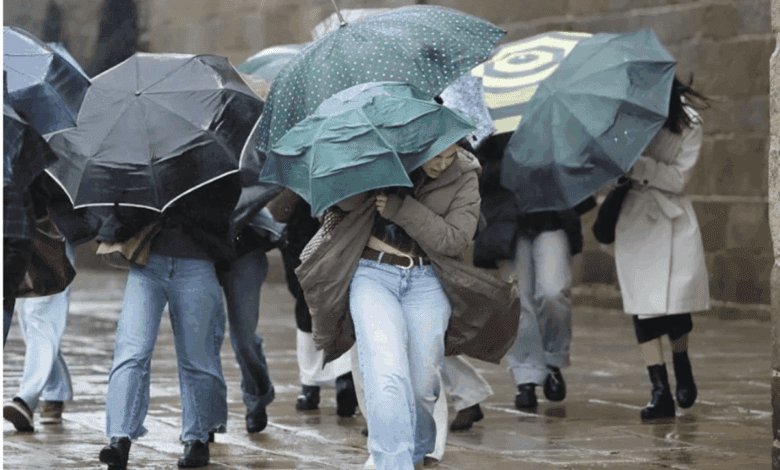
Multiple Alerts Issued, Widespread Impact
The warning covers a wide area, including eight autonomous communities: Aragon, the Balearic Islands, Castile and León, Catalonia, Madrid, Murcia, Valencia, and the Canary Islands. All have activated their respective weather alert levels. The alerts pertain to three main phenomena: strong winds, high waves, and dust storms.
Strong Winds and High Waves: Orange Alerts in Some Areas
Regarding wind, orange alerts for strong winds have been issued for Ibiza, Huesca, Menorca, and Formentera, with maximum gusts expected to reach 100 km/h. Meanwhile, several other areas, including Gran Canaria, Lanzarote, Madrid, Zaragoza, and Valencia, are under a yellow alert for strong winds.
Coastal conditions are also concerning. An orange alert for high waves has been activated for the waters around Mallorca and Menorca. Yellow alerts for high waves have also been issued for Murcia, Valencia, and parts of the Canary Islands.
Dust Arrives, Challenging Visibility
In addition to strong winds and high waves, dust is also part of this extreme weather event. A yellow alert for dust storms has been issued for La Palma, Fuerteventura, and Lanzarote in the Canary Islands. The dust is expected to reduce local air quality and significantly impact visibility.
Meteorological Causes and Temperature Divergence
According to the meteorological agency’s analysis, this weather event is primarily caused by an anticyclone located to the northwest, which is driving a persistent, moist northerly wind over the Iberian Peninsula and the Balearic Islands. This will result in cloudy or overcast skies in the northern part of the peninsula, with persistent light rain along the Cantabrian coast and in the Pyrenees. The southern regions and the Balearic Islands will experience mostly cloudy skies.
In terms of temperature, Spain is showing a “north-south divide.” Maximum temperatures are generally rising across most of the peninsula and the Balearic Islands, with a notable increase in the Pyrenees and the eastern part of the southern plateau. In contrast, temperatures are expected to drop along the Strait of Gibraltar and the Alboran coast. Temperatures in the Canary Islands will remain relatively stable.
Authorities Issue Safety Advice
Faced with these complex conditions involving a combination of risks from high winds, large waves, and dust, Spanish authorities are advising residents to closely monitor the latest warning information from the State Meteorological Agency. The public is advised to reduce non-essential coastal, high-altitude, and outdoor activities. When going out, take appropriate precautions against wind and dust to ensure personal and property safety.
