The beginning of 2026 has seen Spain’s residential market exhibit a stark divergence between prices and transaction volumes amidst a slowing economy. A new report from the valuation firm Gesvalt suggests the market is entering a critical observation phase where, despite weakening demand, prices continue to rise on momentum.
Soaring Prices and Surging Costs of Homeownership
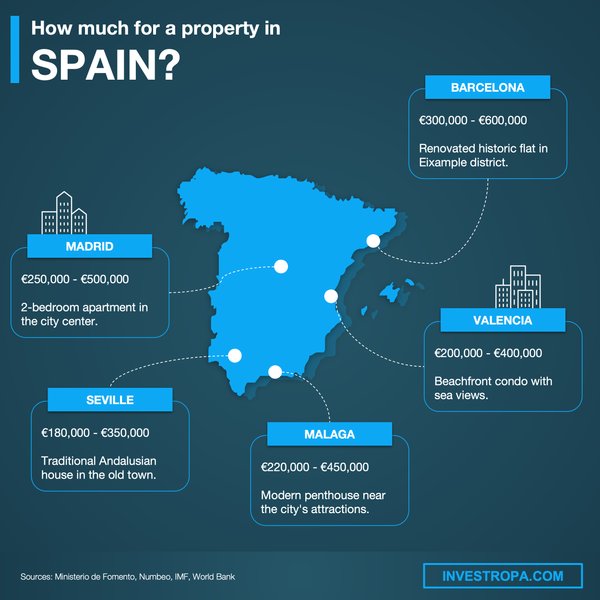
According to Gesvalt’s data, the year-over-year price increase for property across Spain reached a staggering 16.4% in the first quarter of 2026, with the average price per square meter breaking the €2,000 mark for the first time to hit €2,012. This surge has directly led to a significant increase in the cost of homeownership. For a standard 90-square-meter home, the average sale price has risen from approximately €155,000 in the same period last year to €181,000, meaning buyers need to spend about €26,000 more than they did a year ago. The data also reveals that an average household would need to dedicate its entire gross income for 7.8 years to afford a home, highlighting the severe strain on purchasing power.
Structural Supply-Demand Imbalance and Price Spillover
The core driver behind this round of price hikes is a severe supply-demand imbalance. Although new building permits increased by 8.8% throughout 2025, the number of completed homes delivered to the market during the same period fell by 9.8%, exacerbating the scarcity of available properties. This situation of demand outstripping supply is causing price pressure to spill over from core cities to surrounding areas. The Valencian Community saw the most staggering price increase, at 20.4%. In Madrid, a ‘displacement effect’ caused by high prices in central districts has pushed housing demand outwards to suburbs like Puente de Vallecas and neighboring provinces such as Toledo, leading to price growth of over 20% in these areas as well.
Shrinking Sales and Accumulating Risks
In stark contrast to the irrational price surge is the market’s actual transaction activity. According to data from the General Council of Notaries (Consejo General del Notariado), home sales in January already fell by 11% year-over-year, indicating that soaring prices are beginning to suppress demand. More alarmingly, the market’s composition is changing. Foreign buyers, once a significant driving force, have seen their share of purchases drop from 21.1% in the same period last year to 16%, a year-over-year decrease of 5.1 percentage points. At the same time, the leverage of local buyers is quietly increasing, with approximately 11.2% of new mortgages having a loan-to-value (LTV) ratio exceeding 80% of the property’s appraised value. Under the dual pressures of declining international investment and rising domestic household debt, whether the Spanish property market can sustain its high-flying performance has become a major uncertainty for the economy in 2026.
