The digitalization of the work hours registry system, promoted by Spain’s Ministry of Labor, has sparked fresh controversy within the coalition government. First Deputy Prime Minister and Minister of Economy, Carlos Cuerpo, has publicly called for a one-year adaptation period for small and medium-sized enterprises (SMEs), a proposal opposed by Minister of Labor Yolanda Díaz, who insists on a shorter transition time.
Core of the Reform: Strengthening Work Hours Oversight
Led by Minister of Labor Yolanda Díaz, the reform’s central goal is to mandate a digital work hours registry system. This measure aims to ensure strict compliance with Spain’s legal 40-hour workweek and effectively curb the widespread issue of unpaid overtime. However, the draft has already received an unfavorable opinion from the Council of State (Consejo de Estado), an independent advisory body, adding uncertainty to its implementation.
The Adaptation Period Debate: One Year vs. Twenty Days
The crux of the dispute lies in the adaptation period for SMEs. In a media interview, Minister of Economy Cuerpo stated that while he agrees with the reform’s objectives, the practical realities for SMEs must be considered when mandating a digital system. He has therefore proposed extending the 20-day adaptation period stipulated in the draft to one year, allowing SMEs to “gradually adapt without incurring additional costs.” Cuerpo believes this “balanced” approach to implementation would facilitate the policy’s effectiveness.
The Ministry of Labor’s Rebuttal and Clarification
In response to the Ministry of Economy’s proposal, sources from the Ministry of Labor stated they would not accept any amendments that offer leniency specifically to SMEs, as this could lead to inequality compared to larger corporations. The Ministry stressed that the draft legislation already includes support and accompanying measures for SMEs.
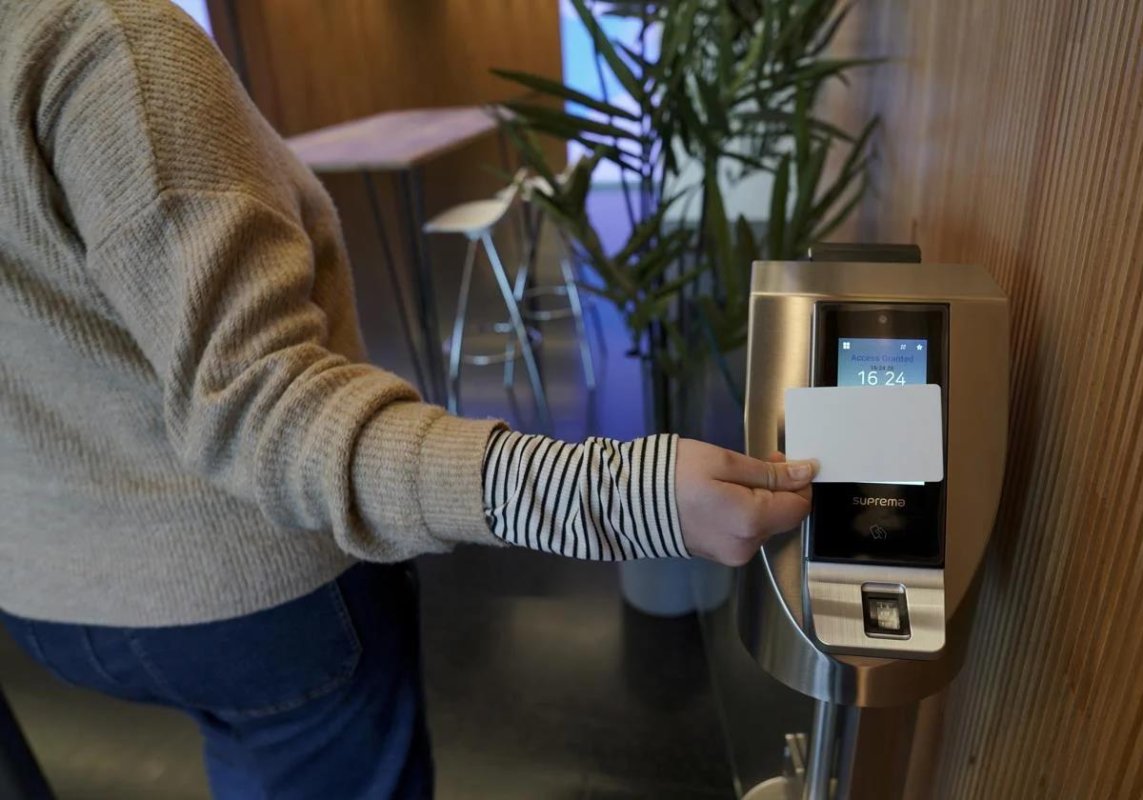
Furthermore, the Ministry of Labor clarified that the 20-day period is not the final adaptation timeline. After the law comes into effect, specific technical standards will need to be developed, a process that will grant all companies an additional six months to adjust and adapt to the new system. Therefore, the actual transition period for businesses is significantly longer than 20 days.
Ongoing Divisions within the Coalition Government
This disagreement is not an isolated incident but reflects the persistent rifts on labor issues between the Socialist Party (PSOE) and Sumar within the governing coalition. Over the past year, Minister of Economy Cuerpo (PSOE) and Minister of Labor Díaz (leader of Sumar) have clashed over several reforms. For instance, the high-profile reform for a 35-hour workweek was stalled due to opposition from the Ministry of Economy in a cabinet meeting and failed to advance to the parliamentary legislative process. These disagreements have led to growing tension between the two ministers, with Díaz having publicly criticized Cuerpo on previous occasions.
