Background: Unbearable Trauma and the Struggle for Death
The tragic ordeal of Noelia Castillo, a young woman from Catalonia, has gripped Spain. Following a gang sexual assault, the immense physical and psychological trauma led her to attempt suicide by jumping from a building. She survived but was left a quadriplegic, living in constant and unbearable pain. After a long struggle, she formally requested assisted dying (euthanasia) in 2024.
The Ruling: A Year-Long Legal Battle
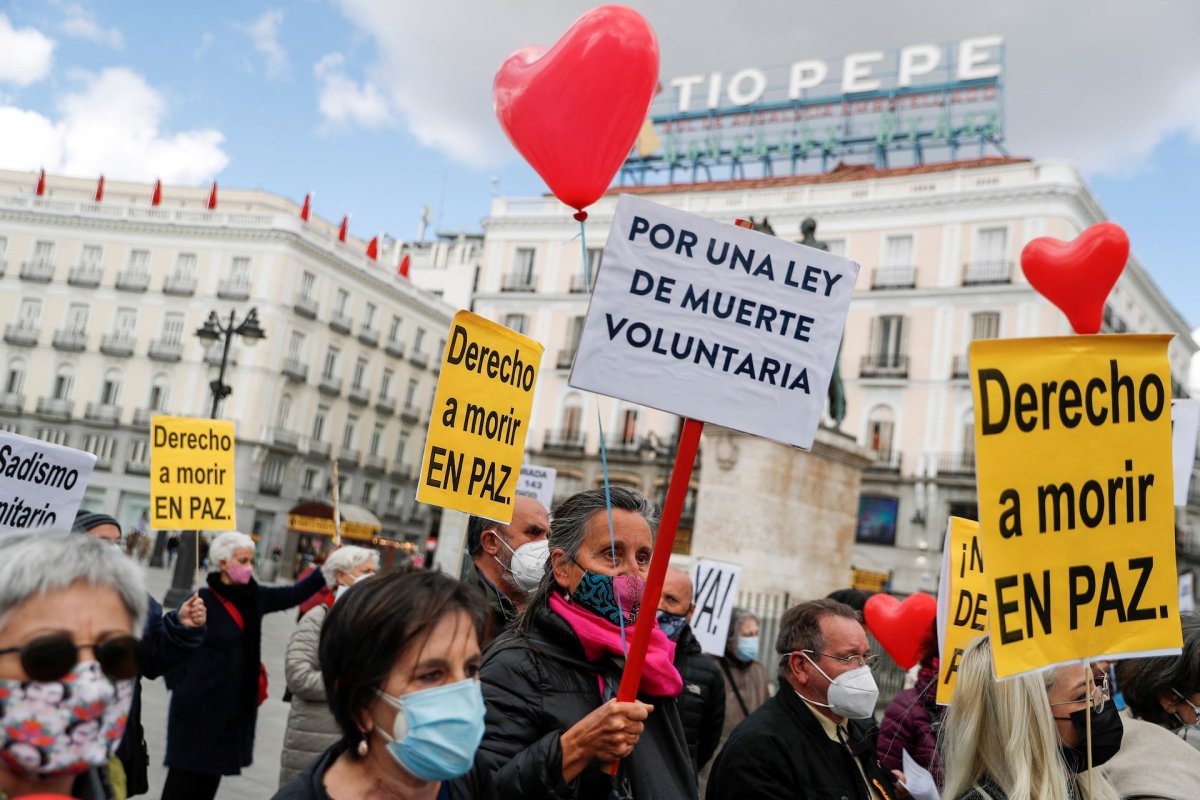
Noelia Castillo’s request ignited widespread debate across Spanish society. After a year-long legal process and public discourse, Spain’s Supreme Court finally approved her request. The ruling is considered a significant judicial test of Spain’s Organic Law on the Regulation of Euthanasia. It acknowledges that in certain extreme circumstances, the combination of psychological trauma and physical disability leading to persistent, intolerable suffering constitutes a legitimate basis for requesting euthanasia.
The Law: Spain’s Strict Euthanasia Regulations
Spain formally legalized euthanasia in 2021, establishing it as an individual right. However, the criteria for eligibility are extremely strict. According to regulations from the Spanish Ministry of Health, an applicant must meet the following conditions:
- Identity: Must be a legal adult with full capacity to make their own decisions.
- Condition: Suffer from a serious and incurable disease, or a chronic and incapacitating condition that causes constant and unbearable suffering.
- Procedure: The process is extremely rigorous. The applicant must make two written requests voluntarily and consciously, with a 15-day interval between them. The request must be evaluated by their primary physician and an independent specialist. The applicant must also be informed of all palliative care alternatives and, finally, sign an informed consent form.
Medically, euthanasia can be classified as ‘active,’ where a healthcare professional directly administers a lethal substance, or ‘passive,’ which involves ceasing life-sustaining treatments. This case concerns ‘voluntary euthanasia,’ carried out at the conscious request of the patient.
The Controversy: A Clash of Law, Ethics, and Humanity
Although the Supreme Court’s ruling is final, Spanish society remains deeply divided on the matter. Supporters argue the decision upholds individual autonomy and the freedom from unbearable suffering, viewing it as a humane act. Conversely, opponents express grave concerns, fearing this precedent could create a ‘slippery slope,’ leading to the misuse or unchecked expansion of euthanasia’s application.
Noelia Castillo’s case is more than a test of legal statutes; it compels society to reconsider how the law should balance the sanctity of life with providing humane compassion when an individual faces catastrophic trauma. Its profound impact underscores the critical importance of both comprehensive psychological support systems and rigorous legal review procedures when addressing such complex bioethical issues.
