On March 31, 2026, the education system in Spain’s Valencian Community ground to a halt once again, marking the second major teachers’ strike of the academic year. Protests erupted in multiple cities across the region, with the largest demonstration taking place in Alicante. According to official estimates, over 10,000 education staff participated in the Alicante march, while unions claimed a turnout rate of up to 80% across the entire community. The strike aims to convey the long-simmering discontent within the education sector to the government, with core demands revolving around teaching resources, salaries, and administrative burdens.
Overcrowded Classrooms Jeopardize Educational Quality
Severe overcrowding in classrooms is one of the primary issues teachers are protesting. A frontline teacher from a secondary school in Gran Alacant reported that some high school classes now have as many as 40 students. Although the legal limit is set between 25 and 35 students, a policy that allows a 15% increase in enrollment to accommodate new students (often from immigrant families) has led to widespread class size inflation. Teachers argue that in such crowded environments, they cannot give individual attention to every student, which severely impacts the quality of education.
Rock-Bottom Salaries and Declining Purchasing Power
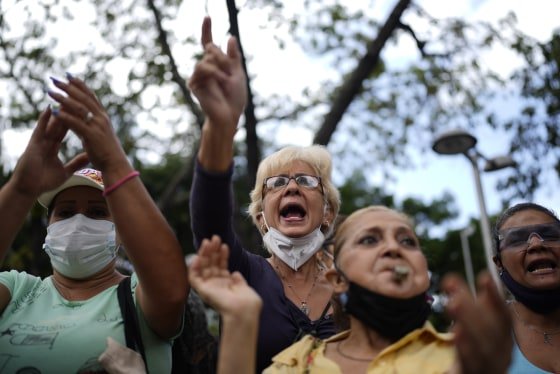
Salaries are another flashpoint for the strike. Protesters point out that the real purchasing power of teachers has significantly declined since 2010. Currently, teachers’ salaries in the Valencian Community are the lowest in all of Spain. Slogans seen in the march, such as “Passion doesn’t pay the bills,” bluntly reflect the common sentiment among educators facing financial pressure. They demand that the government raise their salaries to a level that properly compensates their professional dedication.
Mounting Challenges and a Plea for More Support
Beyond staffing and salary issues, teachers face increasingly complex educational challenges. Reports show a rising number of students in classrooms with ADHD, autism spectrum disorder, or language and communication difficulties. One teacher expressed frustration, stating it’s common to have two high-needs special education students in a single class, which severely divides their attention and makes it difficult to meet the needs of all students.
At the same time, a crushing administrative workload is overwhelming educators. The vast amount of paperwork and report filing has led them to jokingly call themselves “data entry clerks,” as their time for lesson planning and educational research is severely squeezed.
Opposing the New Law to Defend Educational Autonomy
The strike also serves as a protest against the new “Educational Freedom Law.” Teachers’ unions and many educators believe this law excessively shifts the right to choose the language of instruction (Valencian or Spanish) to parents, while ignoring the professional judgment of schools as educational institutions. They argue that schools should have more autonomy in making these decisions. A banner at the protest reading, “When teachers fight, they are also teaching,” captures their determination to defend the professionalism of their field and its future.
