Spain’s Illegal Squatting Problem Worsens, with Catalonia at the Epicenter
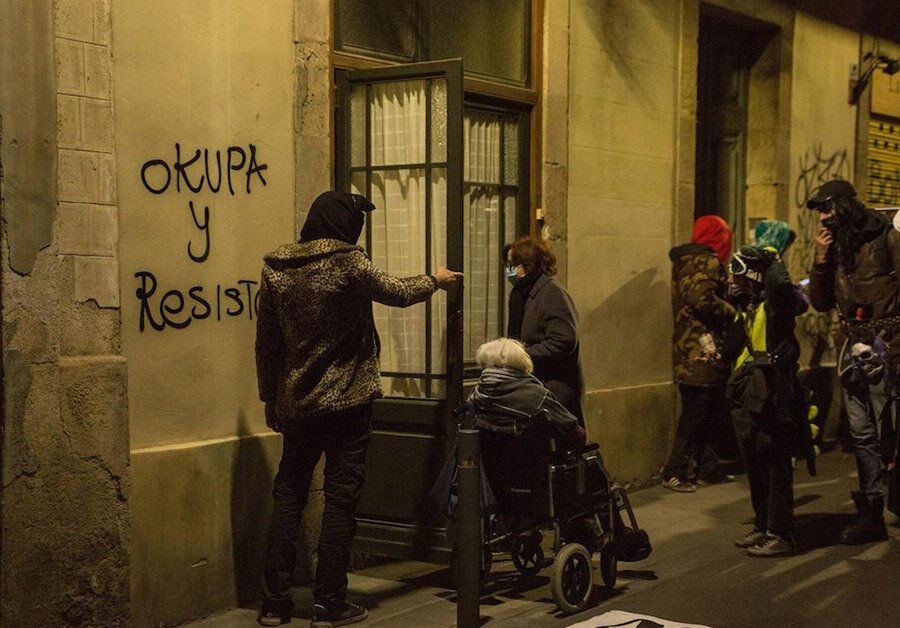
Spain’s illegal squatting phenomenon, known colloquially as “Okupa,” has become a severe social and legal issue, with the autonomous community of Catalonia at its heart. Whether looking at the number of legal complaints or actual incidents, the region’s figures lead the nation, sparking widespread debate on the protection of property rights and current housing policies.
Judicial Data: Catalonia Accounts for One-Fifth of National Lawsuits
According to 2025 data released in March 2026 by the Statistics Service of Spain’s General Council of the Judiciary (CGPJ), Spanish courts processed a total of 1,845 complaints related to the illegal seizure of homes. In these legal actions aimed at recovering properties:
- Catalonia topped the list with 377 cases, accounting for approximately 20.4% of the national total.
- Andalusia (339 cases), the Valencian Community (212 cases), and Madrid (190 cases) followed closely.
Together, these four regions account for more than half of all related lawsuits nationwide, indicating a high geographical concentration of the illegal squatting problem. It is important to clarify that these figures only reflect cases that have entered the judicial process and do not cover all reported incidents or those not pursued legally.
“Delinquent Tenants” Emerge as the Main Issue
Compared to forcible squatting, the phenomenon of “holdover tenants” resulting from rent arrears is far more common. Eviction proceedings initiated under the Urban Leases Act far outnumber the former, constituting the bulk of Spain’s judicial eviction cases—around 80% of related issues.
In this category, Catalonia also ranks first, recording 5,025 cases in 2025. It is followed by Andalusia (2,600 cases), the Valencian Community (2,158 cases), and Madrid (1,931 cases). This data reveals another facet of the problem: many occupation situations originate from the deterioration of legitimate rental relationships.
The Grim Reality According to Consolidated Data
When combining data from multiple sources, the scale of Catalonia’s squatting problem appears even more significant:
- Ministry of the Interior Data: In 2024, across the categories of “unlawful entry into a home” and “illegal occupation of property,” Catalonia recorded 7,009 incidents, making up 42% of the national total (16,426). For solved cases, the region’s share was even higher at 46%.
- Real Estate Market Reports: According to an analysis by the real estate portal Idealista, Catalonia accounts for 40% of the national listings for “properties for sale while occupied.” In the city of Barcelona alone, over 7,000 homes are currently in a state of occupation.
- Overall Estimates: Relevant research institutions estimate that the total number of cases in Spain, including both illegal squatting and tenant holdovers, now exceeds 100,000.
Policy Controversies and EU Concerns
The Spanish government’s policies for tackling the squatting problem have sparked immense controversy. The new Housing Law passed in 2023 has been criticized for weakening the legal rights of property owners by raising the threshold for eviction proceedings and expanding protections for vulnerable squatters. Although the government attempted to extend anti-eviction measures for vulnerable groups, the relevant proposal failed to pass in parliament.
This situation has drawn attention at the European level. The European Parliament recently criticized Spain, demanding it take stronger measures to address the squatting issue. The EU emphasized the need to guarantee the property rights of owners, establish fast and effective legal mechanisms for property recovery, and take decisive eviction action when necessary. At the same time, the EU called on member states to enhance data sharing and cooperation, and to make greater use of Europol’s resources in squatting cases involving organized crime.
