Midway through the Easter holiday period, Spain’s air transport system is facing a severe challenge due to a strike by ground handling staff. The strike, initiated by employees of Groundforce, a company within the Globalia group, has caused operational chaos, flight delays, and a baggage handling crisis at multiple key airports across the country.
Cause and Schedule of the Strike
This indefinite strike was jointly called by the three major unions—UGT, USO, and CC OO—primarily to protest internal wage disparities. According to the unions’ schedule, the strike began on March 28th and takes place every Monday, Wednesday, and Friday. The work stoppages are planned for three shifts daily: early morning (05:00–07:00), midday (11:00–17:00), and night (22:00–00:00). The unions have affirmed that the strike will continue indefinitely until the labor dispute is resolved.
Widespread Impact on Airport Operations
The strike has directly impacted Spain’s aviation network, particularly during the traditional peak travel period of Easter. The affected airports, all of which are key hubs for air cargo and passenger traffic, include: Madrid, Barcelona, Palma de Mallorca, Alicante, Málaga, Gran Canaria, Valencia, Ibiza, Bilbao, Lanzarote, Fuerteventura, and Zaragoza.
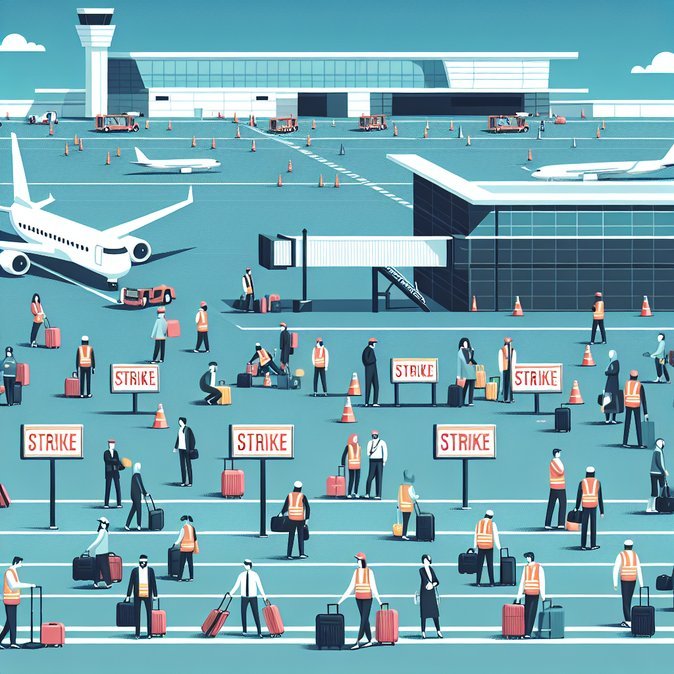
Statistics show the strike has resulted in an average one-hour delay for affected flights and has caused unprecedented logistical congestion, with thousands of bags and parcels stranded or delayed. Congestion on the airport aprons means aircraft face long waits for ground handling, severely impacting airline service quality and operational safety.
Escalation of Labor Conflict
The UGT union has accused Groundforce of employing “disproportionate” measures to pressure striking workers, constituting a serious infringement on their fundamental right to strike. These measures allegedly include threatening sanctions against participants, involving the Civil Guard (Guardia Civil), and even reporting supposed ‘impersonation’ or irregularities to the Labor Inspectorate. UGT insists that the company must return to the negotiating table to resolve the dispute through dialogue and has made it clear that they will not tolerate any form of retaliation or illegal actions.
Exposing Structural Problems in the Industry
This incident has not only disrupted travel and cargo plans during Easter but has also pushed the long-standing structural issues within Spain’s aviation ground handling industry into the public spotlight. The strike exposes poor management and tense labor relations in the day-to-day operations of these companies. Amid operational overload and mounting work pressure, the challenge of safeguarding employee rights, enhancing service quality, and ensuring aviation safety has emerged as a crucial area for reform in the Spanish aviation sector.
