Easter Week Traffic Peak in Spain: Alert for Nearly 10 Million Journeys as DGT Launches Special Operation
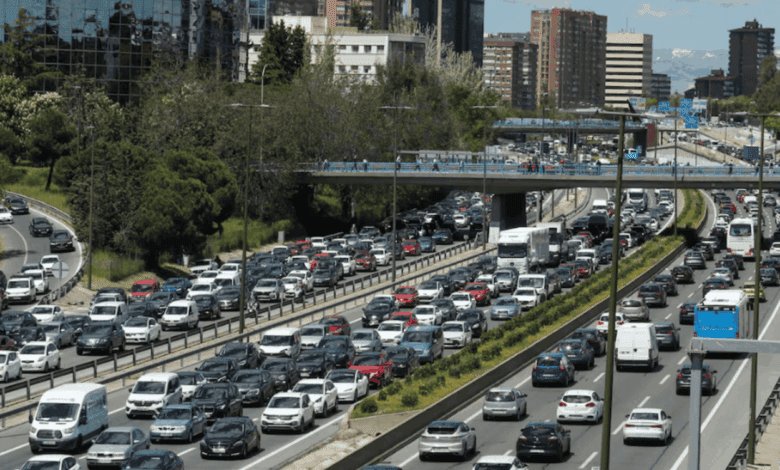
With the arrival of the traditional Easter holiday, Spain is entering one of the busiest road travel periods of the year. To manage the influx of traffic, Spain’s Directorate-General for Traffic (DGT) has officially launched a special nationwide traffic management and safety operation.
“Special Operation” Launched: Over 15,000 Resources Deployed
According to the official announcement, this Easter’s special traffic operation officially begins at noon on April 1st and will continue until late at night on April 6th. To ensure road safety and traffic flow, the DGT has deployed extensive resources nationwide, including:
- Personnel Deployment: Over 7,000 traffic police officers, technical staff, and support personnel have been assigned to frontline duties.
- Technical Support: More than 8,500 pieces of technical equipment are in use, including fixed and mobile speed radars, surveillance cameras, helicopters, and drones to monitor road conditions in real-time.
Nearly 10 Million Trips: Peak Hours and Congestion Forecast
The DGT forecasts that nearly 10 million road trips will be made nationwide during this Easter holiday period, an increase of approximately 2.03% compared to the same period last year. To help the public plan their journeys, officials have released a detailed forecast of peak traffic times:
- First Outbound Peak: Expected on the afternoon of Wednesday, April 1st, especially from 15:00 to 23:00. Major exits from large cities and roads leading to holiday destinations will face severe congestion.
- Following Day’s Traffic: On the morning of Thursday, April 2nd, outbound traffic will remain heavy.
- Combined Departure and Return Peak: On Sunday, April 5th, roads will experience a dual peak as some short-trip travelers begin their return journeys while others are still departing for longer trips.
- Main Return Peak: On Monday, April 6th, significant return traffic is expected throughout the day, as it is still a public holiday in some autonomous communities, leading to immense traffic pressure.
Analysis of Key Congestion Areas
Traffic pressure will show a ‘dynamic shift,’ moving from city exits at the beginning of the holiday to city entrances and main arteries towards the end. Key areas for monitoring and congestion warnings include:
- Major City Access Points: Main outbound and inbound routes for large cities such as Madrid and Barcelona.
- Popular Tourist Routes: Road networks leading to Mediterranean coastal areas (like Catalonia and the Valencian Community) and popular southern destinations such as Andalusia.
Official Travel Advice
Facing the challenging traffic situation, the Spanish DGT has issued a reminder to everyone planning to drive during the Easter period, emphasizing the two core principles of “prevention and caution.” Officials advise that the most effective way to avoid congestion is to plan trips in advance and, whenever possible, avoid the forecasted peak times and congested routes. Checking your vehicle’s condition before departure, ensuring you are well-rested, and maintaining patience while driving are key to a safe and enjoyable holiday journey.
