Hello everyone! I’ve been lurking on the forums lately and noticed a growing number of posts asking about the ‘título propio’ master’s degrees from universities in Murcia. Many are drawn in by promises like ‘no Spanish language requirement’ and ‘low application threshold,’ but are also confused about their value and official recognition. As someone who has looked into this, I’m starting this thread to break it all down for you.
What Exactly is a ‘Título Propio’?
First, it’s important to clarify that when people mention ‘the University of Murcia,’ they could be referring to two different institutions: the public University of Murcia (UMU) or the private Catholic University of Saint Anthony (UCAM). The so-called ’single-certificate master’s’ heavily promoted by agents is almost always a Título Propio awarded by a private university, which we can call a ‘university-specific degree.’ This is different from a Título Oficial, or ’official master’s degree,' which is recognized by the Spanish Ministry of Education.
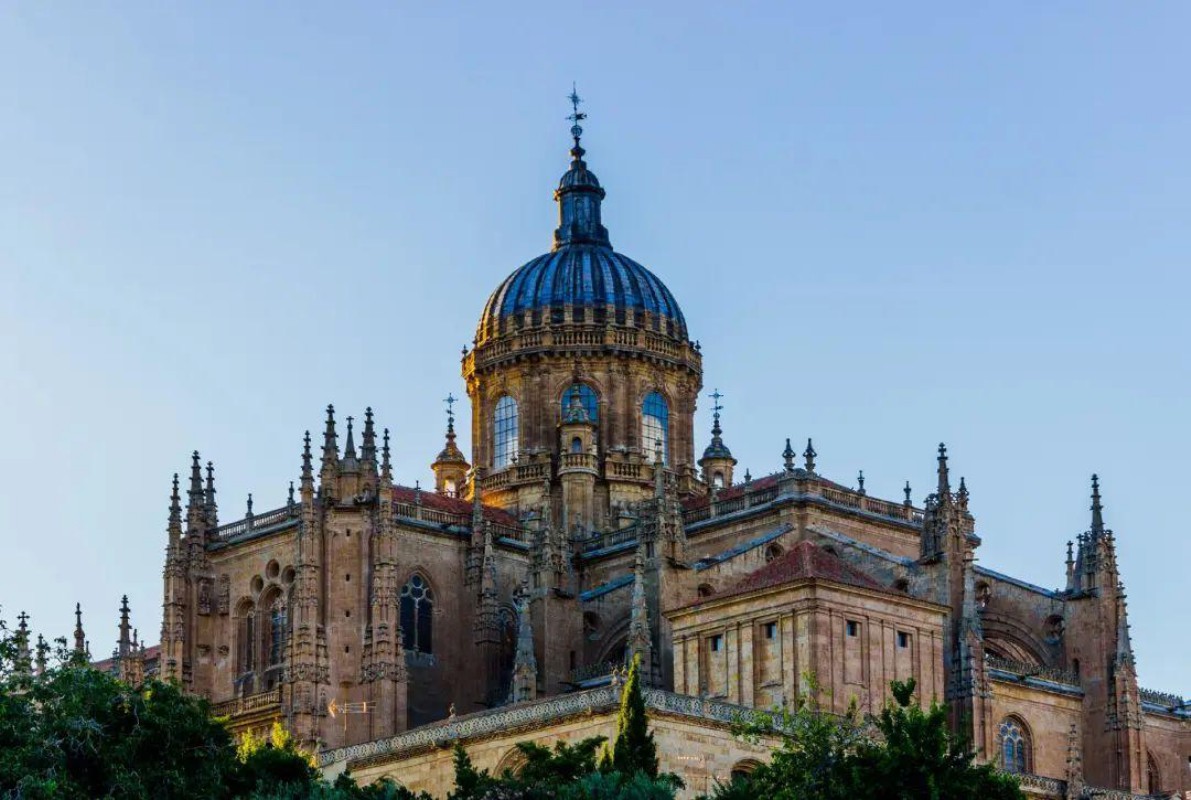
In simple terms, an official master’s is part of the national education system. Its curriculum is more academic, and upon graduation, you can pursue a Ph.D. It is recognized throughout Europe. In contrast, a university-specific master’s (título propio) is created and awarded by the university itself. It’s more focused on practical skills and employability, with a flexible curriculum and generally lower entry barriers. For students looking to quickly upgrade their qualifications or those who want to switch fields without a matching undergraduate background, programs like UCAM’s Título Propio Master’s degree do offer a shortcut, making the UCAM’s Título Propio an attractive option.
Título Propio vs. Título Oficial: A Quick Comparison
To give you a clearer picture, I’ve created a simple table comparing the core differences between the two:
| Feature | Título Propio | Título Oficial |
|---|
| Awarding Body | The university itself | Spanish Ministry of Education |
| Application Difficulty | Relatively low, flexible language and background requirements | Relatively high, with specific academic and language requirements |
| Curriculum Focus | Professional skills, market practice | Academic theory, scientific research |
| Tuition Fees | Usually higher | Relatively lower |
| Ph.D. Eligibility | Basically no Generally not possible | Yes, fully eligible |
| Recognition Abroad | Recognized | Recognized |
It’s crucial to emphasize here that both títulos propios and títulos oficiales, as long as they are awarded by legitimate Spanish universities, can be recognized by educational authorities in other countries, such as China’s Ministry of Education! However, the official recognition for a título propio might specify it as a ’university-specific master’s degree.' This could lead to limitations for certain highly regulated positions, like in some state-owned enterprises or for civil service roles, which is something you need to be aware of beforehand.
So, Is It Worth It?
There’s no single answer to this question; it entirely depends on your personal goals. If your aim is to enter academia and pursue a Ph.D. in the future, then an official master’s is undoubtedly the right choice. However, if you need to obtain a master’s degree quickly to enhance your resume for a job, a promotion, or personal development, and you don’t want to spend too much energy on language exams and complex application processes, then a título propio from Murcia can be a very cost-effective option. Its curriculum is designed to be in line with market demands, teaching many practical skills that are very helpful for professional development.
Before making a choice, be very clear about your core needs. I hope this post helps those of you who are on the fence! I also welcome current students or graduates to share their real experiences in the comments to provide some guidance for future students!
