Controversy Over EU’s New EES: European Airports Face Long Delays
Introduction
The European Union’s new Entry/Exit System (EES), aimed at digitizing border control, has failed to improve efficiency since its trial launch in October 2025. Instead, it has caused severe congestion and long delays at major European airports. The airline industry warns the situation could worsen with the approaching summer travel peak, posing a significant challenge for all non-EU travelers, including those from China.
EES Trial Run Exposes Multiple Flaws
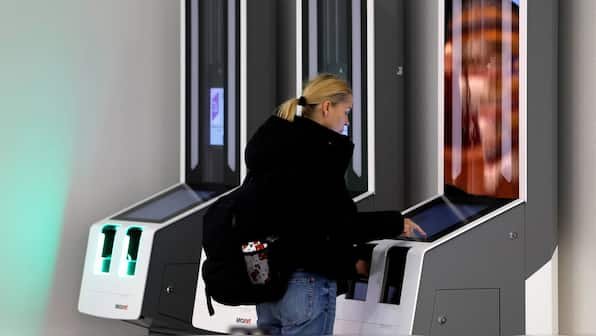
The EES system requires all non-EU citizens (so-called ‘third-country nationals’) entering the Schengen Area to provide fingerprint and facial biometrics upon entry. However, according to Airports Council International (ACI) data, queueing times at airports where the system has been deployed have ‘continuously worsened’ since the trial began in October 2025.
The core issues identified so far include:
- Insufficient Staffing: There is a severe shortage of border agents to guide and assist travelers in using the biometric data collection kiosks.
- Poor Process Design: Even travelers who have already completed EES registration must wait in the same queue as first-time users, nullifying the system’s digital advantage.
- Frequent Technical Glitches: Technical issues with the self-service kiosks and system instability have also exacerbated delays.
- Low Adoption of Companion App: The official app, designed to streamline passenger flow by allowing pre-registration, has seen extremely low usage rates across member states.
Airline Giant Slams System, Suggests Link to Brexit
Michael O’Leary, CEO of the renowned European low-cost airline Ryanair, harshly criticized the EES system in a media interview, calling it a ‘complete and utter shambles’. He believes the significant inconvenience caused to British tourists may be linked to Brexit, suggesting it could be a form of ‘revenge’ from the EU.
O’Leary’s criticism reflects the widespread dissatisfaction within the aviation industry regarding the current state of the EES. During peak traffic periods, passenger waiting times often reach two hours, with the situation being even more severe at some airports.
Summer Peak Warning: Queues Could Stretch to Four Hours
Faced with the worsening situation, several aviation bodies have sent a joint letter to the EU Commissioner for Home Affairs, issuing a ‘red alert’. The letter points out that without immediate emergency measures, border queue times at major European airports could reach four hours or even longer during the 2026 summer peak.
Although the EES was originally scheduled for full mandatory implementation in April 2026, due to its poor performance, the EU has allowed member states to postpone the deadline to early September of the same year to avoid the summer’s highest passenger traffic. O’Leary warned that smaller airports in popular holiday destinations such as Seville, Alicante, and Tenerife in Spain, and Faro in Portugal, will become ‘disaster zones’ for delays. Industry organizations also indicate that hub airports in Germany, France, Iceland, Greece, Italy, and Spain will be the most severely affected.
Travel Advice for Non-EU Passengers
The EES system affects all ‘third-country nationals’, which means travelers holding Chinese passports, like British citizens post-Brexit, will need to follow the same entry procedures. Travelers planning to visit Europe in the spring or summer of 2026 should take note of the following:
- Allow Plenty of Time at the Airport: It is recommended to arrive at the airport at least 4 to 5 hours in advance, especially when departing from the high-risk countries mentioned above.
- Extend Connection Times: If your itinerary involves a transfer within the Schengen Area (especially for non-connecting flights requiring you to pass through border control again), it’s advisable to book tickets with a connection time of no less than 3 hours to avoid missing subsequent flights due to entry delays.
- Be Prepared for Long Waits: Airports can be stuffy in the summer, and queuing for long periods is a major test of stamina and patience. It is advisable to carry drinking water, a portable power bank, and other essentials, and be mentally prepared for a long wait.
