Incident Recap: Larvae Appear on Primary School Lunch Trays
Recently, a serious food safety incident occurred at CEIP Basozelai-Gaztelu HLHI, a public primary school in Basauri, in the Basque Autonomous Community of Spain. Larvae were discovered in the meals provided to students in the school cafeteria. The news quickly caused an uproar among the parent community, sparking widespread public concern and debate. Parents have expressed immense anger and worry over the state of food safety at the school, demanding to know why such an issue has re-emerged on children’s plates.
Consumer Organization Steps In, Demands Full Investigation
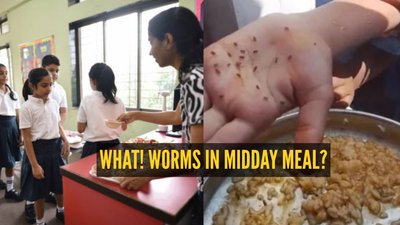
Following the incident, the consumer rights organization Facua Euskadi took swift action. The group has formally contacted the relevant government authorities, demanding a full and transparent investigation into the ‘larvae meal’ incident and calling for accountability for those responsible. Facua Euskadi emphasized that public bodies, particularly educational institutions, have a duty to protect the food safety and health of minors, and this case suggests serious potential flaws in the oversight system.
History Repeating? Catering Outsourcing and Oversight Raise Concerns
The intense public reaction to this incident is partly because it is not an isolated event. Records indicate that the school had previously terminated its contract with the catering company Serunion over similar problems involving larvae in the food. The recurrence of such a problem after a short period has fostered a profound sense of distrust among the public regarding the entire school catering outsourcing system—from bidding and operations to daily oversight. Many are questioning why, despite this clear precedent, preventative and supervisory measures have once again fallen short.
Law vs. Reality: Enforcement of Regulations Under Scrutiny
Under existing Basque regional law, public institutions are obligated to ensure that the food they serve, especially to vulnerable groups like children, adheres to the highest safety standards. However, the incident at CEIP Basozelai-Gaztelu reveals potential shortcomings in enforcement, from the selection of catering contractors to the daily oversight by government agencies. It highlights that even with stringent laws, weak execution ultimately harms the students. This controversy serves not only as a warning to a single school or catering company but also as a critical test of the entire public food safety regulatory system’s ability to enforce its own rules.
