According to the latest ‘Living Conditions Survey’ data released by the Spanish National Statistics Institute (INE), a complex picture of the nation’s health is unfolding in Spain. The report reveals that while overall consumption of tobacco and alcohol is trending downward, the problems of being overweight and obese remain severe. Furthermore, clear social class disparities, defined by income levels, are evident behind various health indicators.
Persistent Overweight Problem and Significant Economic Disparities
As of 2025, the combined proportion of overweight and obese individuals among the population aged 16 and over in Spain has reached 50.5%, becoming a serious public health challenge. Specifically, the obesity rate has stabilized at 14.7%, remaining largely unchanged from 2022 figures, while the proportion of overweight people has slightly increased to 35.8%.
This issue shows significant differences across various income groups. Among low-income individuals, the obesity rate is as high as 17.3%, with 36.9% being overweight. In contrast, these figures for high-income groups are 10.8% and 33.3% respectively, clearly indicating a strong correlation between economic status and weight management.
Diverging Dietary Habits: Decline in Fresh Fruit and Vegetable Intake
The divergence in dietary patterns is one of the key factors contributing to weight disparities. The report shows that Spaniards’ consumption of fresh fruits and vegetables is declining. In 2025, the proportion of the population eating fruit daily dropped from 67.1% in 2022 to 63.2%; the percentage consuming vegetables, salads, or legumes daily also fell from 51.0% three years ago to 47.7%.
These eating habits are also linked to income. Among high-income groups, nearly 70% eat fruit daily, and 51.5% consume vegetables daily. However, among low-income groups with limited budgets, these proportions drop to 57.4% and 46%, respectively. Analysis suggests that fresh ingredients require more time and money, leading lower-income individuals to prefer cheaper, high-calorie processed foods, such as ready-made meals and industrial pastries.
Tobacco Consumption Decreases, but Remains Concentrated in Low-Income Groups
Spain has made positive progress in tobacco control. In 2025, the daily smoking rate for the population aged 16 and over has dropped from 17% in 2022 to 15%.
Despite the overall improvement, smoking behavior still exhibits class-based patterns. Data shows the daily smoking rate among low-income individuals is 15.9%, significantly higher than the 11.5% among high-income individuals. This indicates that health-risk behaviors are more concentrated in economically vulnerable groups.
Alcohol Consumption Shows an Inverse Trend: Higher-Income Individuals Drink More Frequently
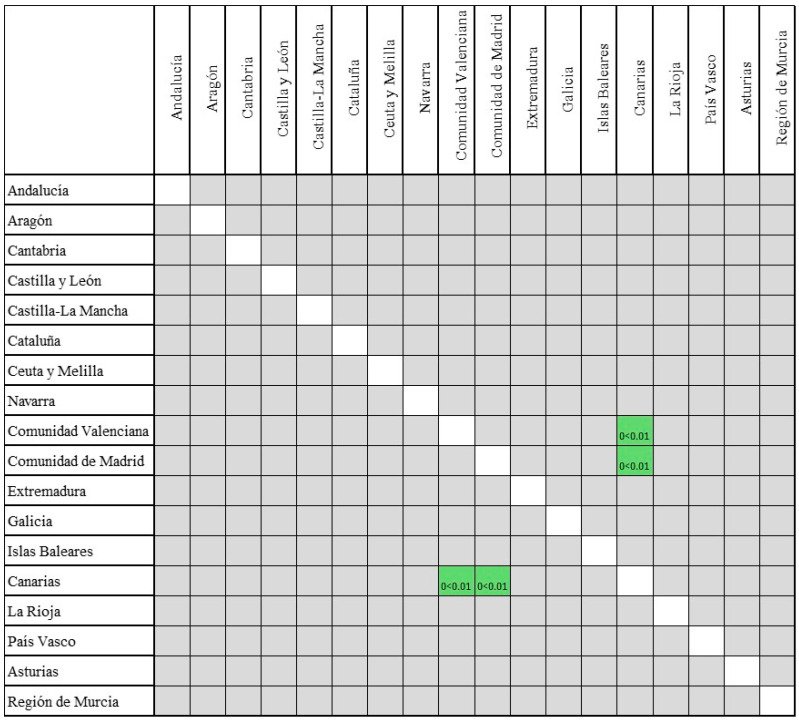
Unlike the trend in tobacco use, alcohol consumption shows a ‘reverse’ class-based differentiation. Overall, the frequency of alcohol consumption in Spain has decreased. Daily drinkers account for 5.6% and those who drink several times a week make up 24.1%, both lower than 2022 levels. Meanwhile, the proportion of people who do not drink at all has risen from 31.3% (2022) to 33.9% (2025).
However, a deeper analysis of the data reveals that the habit of drinking daily is more common among high-income groups, at a rate of 6.5%, compared to 4.8% in low-income groups. This presents a stark contrast to the phenomenon of smoking being primarily concentrated among lower-income populations.
