Core of the New Law: Mandatory Takeaway and Waste Prevention Plans
According to the latest regulations from the Spanish government, the Law for the Prevention of Food Loss and Waste (Ley de Prevención de las Pérdidas y el Desperdicio Alimentario), passed in 2024, is now mandatory nationwide after its transition period. One of the core provisions of the new law is that all bars and restaurants must provide free takeaway containers upon customer request, allowing them to take home unfinished food. This measure aims to end the practice of some establishments charging extra for ‘doggy bags’ and encourages consumers to reduce waste.
Furthermore, the law mandates that all businesses in the food supply chain, including the food service industry, must develop and implement a comprehensive “Waste Prevention Management Plan.” This plan must systematically organize raw material procurement, inventory management, and the handling of surplus food, aiming to reduce waste at its source.
The ‘Hierarchy of Use’ for Surplus Food
The new regulation sets a clear hierarchical order for handling surplus food to maximize its value. The highest priority is human consumption, encouraging businesses to sell near-expiry products at a discount or donate them to food banks and charities. According to reports from the Spanish public broadcaster (RTVE), this measure specifically requires large supermarkets to strengthen their collaboration with social organizations to establish efficient food redistribution networks.
If the food is no longer fit for human consumption, the second priority is to convert it into animal feed or use it for industrial purposes, such as making compost or biofuels. Only when all the aforementioned options are exhausted is the food permitted to be disposed of as final waste.
Strict Penalties and Industry Impact
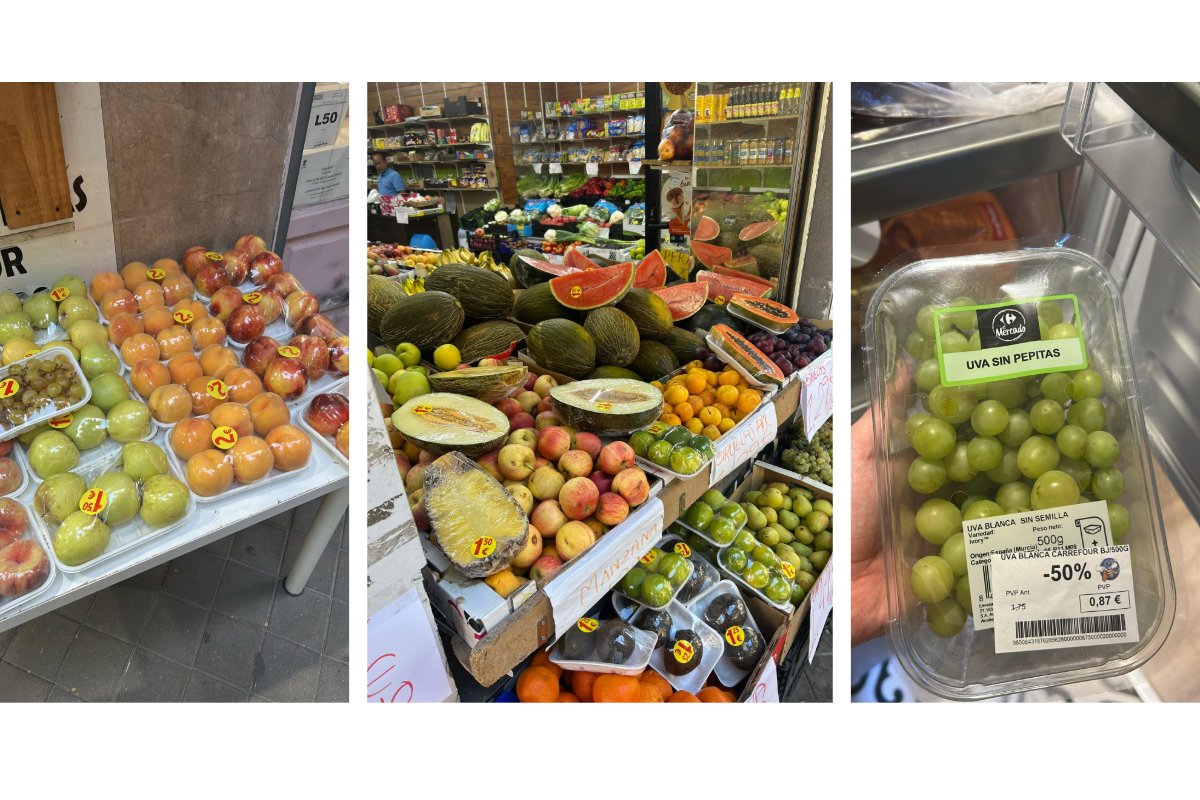
To ensure the effective enforcement of the law, the Spanish government has established a strict penalty system. Businesses that fail to comply with the regulations will face fines starting from several thousand euros. For repeated or serious violations, fines can reach up to €500,000. Industry analysts believe these substantial fines will act as a significant deterrent across the entire food sector.
The full implementation of this law means all relevant operators must immediately adjust their business models to ensure compliance. From small bars to large supermarket chains, all must review and optimize their food management processes to avoid financial penalties and reputational damage. Regulatory compliance has now become a critical and unavoidable task for Spain’s food industry.
