Hey everyone! For those of you new to Spain or planning to study here, are you often puzzled by the question, ‘Where exactly are the universities in Spain?’ It can feel like beyond Madrid and Barcelona, other cities are a bit of a mystery. Today, let’s talk about the geographical distribution of Spanish universities to help you with your school selection!
The Undisputed Hubs: Madrid and Barcelona
These two need no introduction. As Spain’s economic and cultural centers, they also have the highest concentration of higher education resources.
Madrid
As the capital, Madrid is home to top public universities like Complutense University of Madrid, Autonomous University of Madrid, and Polytechnic University of Madrid. The pros: plenty of opportunities, a highly international environment, and a rich cultural life. The downside is obvious: the cost of living is really high, especially rent.
Barcelona
The capital of Catalonia is also packed with prestigious universities, such as the University of Barcelona, Autonomous University of Barcelona, and the Polytechnic University of Catalonia. The arts, design, and architecture programs offered by these regional Spanish universities are particularly famous. The city has a trendy, vibrant atmosphere, but its cost of living is on par with Madrid’s, and you also have to consider the Catalan language.
The Quintessential College Towns: Salamanca and Granada
If you want to experience the purest form of university life, you must check out these two cities.
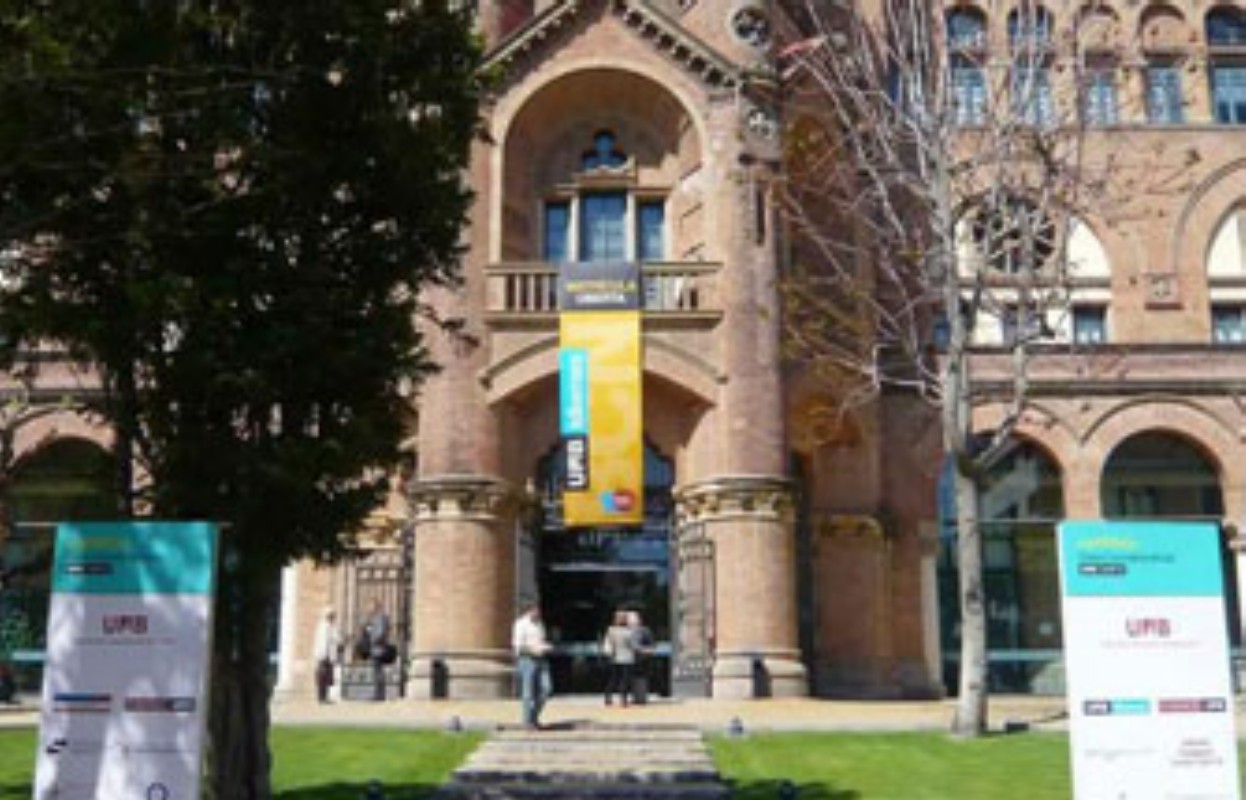
The University of Salamanca is one of the oldest in Spain, and the entire city revolves around it, creating a strong academic atmosphere. Walking through its ancient streets, you can’t help but feel more cultured. Granada, in the Andalusia region, is home to the University of Granada, which has a massive student population that injects endless youthful energy into this historic city. The common features of these two cities are: a relatively low cost of living, a compact size, a slow pace of life, and an ideal environment for focused study.
Sun and Coast: Andalusia and the Valencian Community
Love sunshine, beaches, and lively fiestas? Then the universities in the south are definitely for you. Besides Granada, the University of Seville and the University of Málaga in Andalusia are also excellent choices. The Valencian Community boasts the famous Polytechnic University of Valencia and the University of Valencia. At these universities offering courses in regional languages, the cost of living is much lower than in Madrid or Barcelona, the climate is pleasant, and you can enjoy delicious paella!
The Unique North
Northern Spain offers a completely different scene—it’s often rainy and humid, with lush green landscapes everywhere. The universities here are also very distinctive, such as the University of the Basque Country and the University of Santiago de Compostela. The food, culture, and lifestyle in the north are quite different from central and southern Spain. If you enjoy tranquility, love hiking, and want to experience a “less typical” side of Spain, the north will be a pleasant surprise.
To make comparison easier, I’ve created a simple table:
| City | Key Universities | Features |
|---|
| Madrid | Complutense University, Autonomous University of Madrid | Capital city, concentrated resources, high cost of living |
| Barcelona | University of Barcelona, Polytechnic University of Catalonia | International city, strong in design, high cost of living |
| Salamanca | University of Salamanca | Historic, true college town, moderate cost of living |
| Granada | University of Granada | Southern charm, low cost of living, large student population |
| Valencia | Polytechnic University of Valencia | Mediterranean climate, relaxed lifestyle, great value |
Choosing a university in a particular city isn’t just about picking a school; it’s about choosing a lifestyle. There’s no absolute best or worst, only what’s right for you. Before applying, it’s a good idea to research the climate, prices, and culture of different cities. I hope this post gives you some inspiration!
