If you’ve just arrived in Spain, you might often find yourself puzzled by one question: What exactly is Spanish ‘cuisine’ and what are ‘local products’? At first glance, they may seem similar, but locals can discuss them in great detail, and sometimes it’s hard to explain them to friends and family back home. Today, as an experienced insider, let me lay it out clearly for you.
First, let’s talk about what ‘cuisine’ means
Simply put, Spanish cuisine refers to what you ‘eat freshly prepared, right on the spot.’ The focus here is on the art of cooking, how the dishes are presented, and the immediate sensory experience. Take, for example, Valencia’s paella, Segovia’s roast suckling pig, or the diverse variety of tapas you enjoy at a local tavern. These are all dishes carefully crafted by chefs from local ingredients. You’re tasting the chef’s skill and the atmosphere of the restaurant—after all, you can’t exactly pack a just-cooked paella to take back home, right?
So what about Spanish gastronomic products? What does ‘local product’ really mean?
Local products are the ‘soulful ingredients’ that Spanish gastronomy is built upon, and they’re those items you can ‘purchase and bring home.’ These usually refer to products with unique regional qualities, which can be either processed or unprocessed. The most iconic examples are the famous Iberian ham, Manchego cheese, premium extra virgin olive oil from Andalusia, and Rioja wine, as highlighted in the Spanish gastronomic products sketch challenge. These products are the essence of Spanish terroir—they’re perfect to bring back as gifts for friends or to enjoy at home yourself.
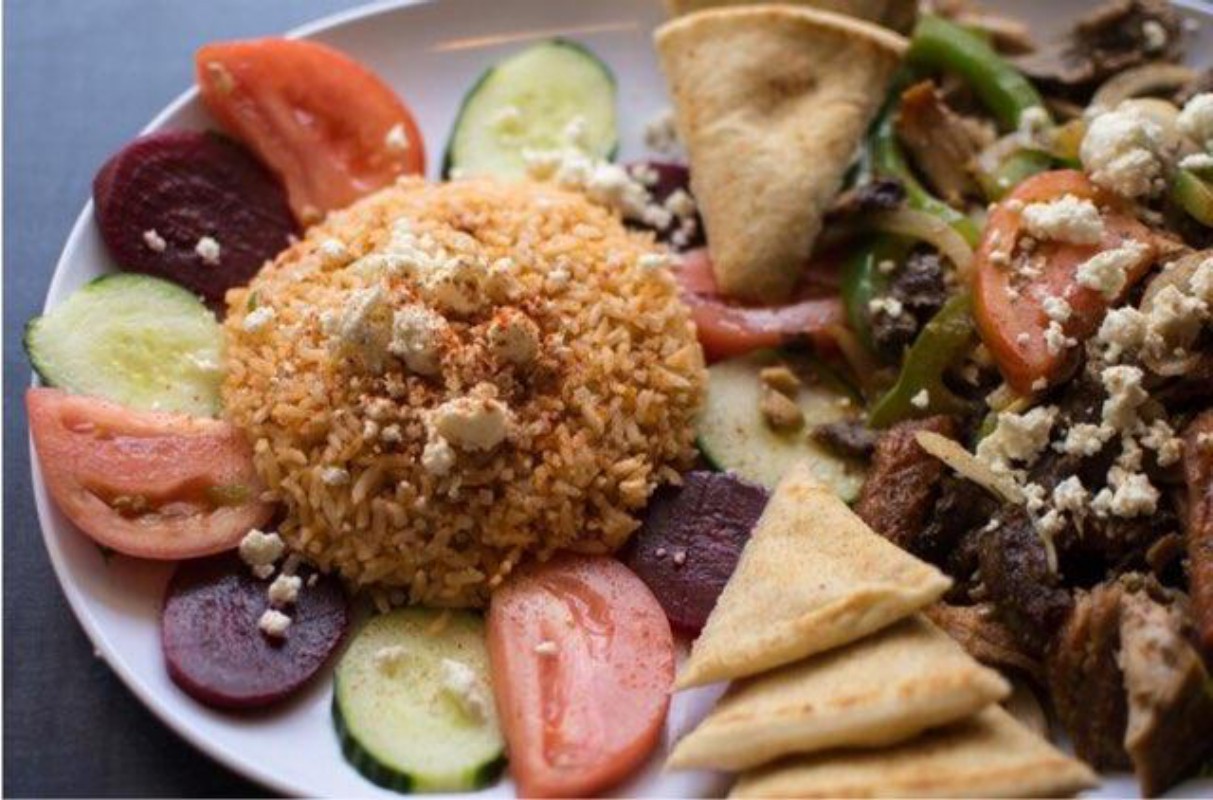
To make the distinction even clearer, here’s a simple comparison table:
| Dimension | Spanish Cuisine | Spanish Local Products |
|---|
| Core | Culinary skill & immediate experience | Ingredients & regional character |
| Form | Ready-to-eat dishes | Packaged ingredients or products |
| How to Enjoy | Eaten on-site at restaurants or bars | Purchased to take away, can be stored |
| Typical Examples | Paella, tapas, roast suckling pig | Iberian ham, cheese, olive oil, wine |
So, in regard to tax refunds for Spanish culinary souvenirs, you see, cuisine and local products go hand in hand. Top-quality regular ham Iberian ham is the foundation of delicious tapas, while fine olive oil adds that signature touch to many Spanish dishes. Next time your friends visit, you can confidently tell them: What we enjoy in the restaurant is Spanish cuisine, and what we pick up from the supermarket or local market to take home is genuine Spanish local products! Now, share in the comments—what do you think best represents Spanish cuisine and local products?
