Details of the New Tax Rates and Their Impact
Starting from April 2026, the Catalonia region in Spain will implement adjusted tourist tax rates, with Barcelona seeing the most significant increase, directly impacting the tourism market. This adjustment covers various types of accommodation, leading to a general rise in accommodation costs for tourists.
The specific adjustments are as follows:
- Five-star hotels: The nightly tax will increase from €7.50 to €12.
- Cruise ship passengers: The tax will go up from €7 to €11 per night.
- Tourist apartments: The nightly tax will rise from €6.25 to €9.50.
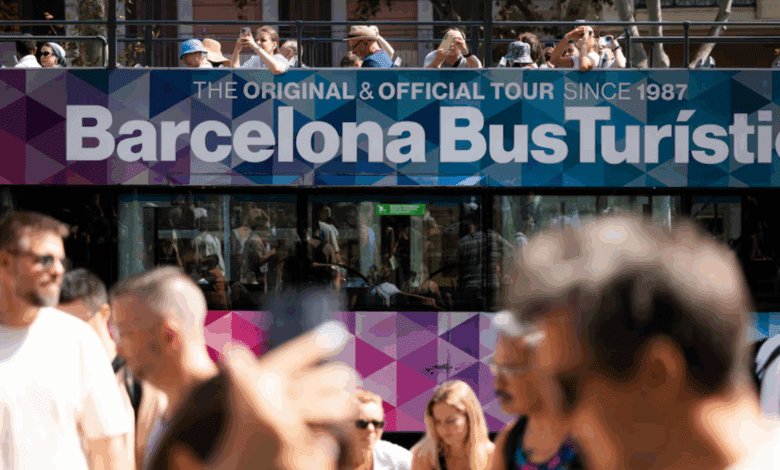
Observations indicate that this policy, taking effect just before the peak tourist season, has already led some tourists to adjust their itineraries, such as shortening their stay in Barcelona or choosing accommodation outside the city center.
Official Stance and Policy Objectives
In response to this tax hike, Barcelona’s Mayor, Jaume Collboni, explained that the measure aims to compensate for the additional burden tourism places on the city’s infrastructure and services through public investment. He emphasized that the benefits of tourism should more effectively give back to the local community.
Under the new regulations, the use of the collected tourist tax revenue will be clearly defined:
- 25% will be directly allocated to housing assistance programs to address the area’s growing housing crisis.
- The remaining 75% will continue to be used for promoting and maintaining the tourism industry, as well as covering related operational costs.
Industry Concerns and Market Response
The policy has sparked significant concern within the Spanish hotel and tourism sector. Jesús Menéndez López, president of the Spanish Association of Hotel Directors, pointed out that the sharp tax increase will primarily affect short-stay leisure tourists and family travelers, groups that are more sensitive to price changes.
Joaquín Ausenjo, CEO of Alma Hoteles in Barcelona, also expressed a negative view. He believes this approach sends the wrong message to the international market, suggesting that “tourists are not welcome,” which could cause long-term damage to Barcelona’s image as a top global tourist destination.
Diverging Attitudes Among Different Tourist Groups
The response to the new tax varies significantly among tourist groups. Surveys show that over 80% of international tourists understand the need to pay the tax, seeing it as a way to support the city’s sustainable development. However, domestic tourists from within Spain are generally opposed, believing it adds to their travel burden.
As the overall cost of accommodation in the Catalonia region rises, the market is already seeing some tourists shifting their focus to other, more cost-competitive destinations. The long-term impact of this policy remains to be seen.
