Child Vulnerability Among the Highest in the EU
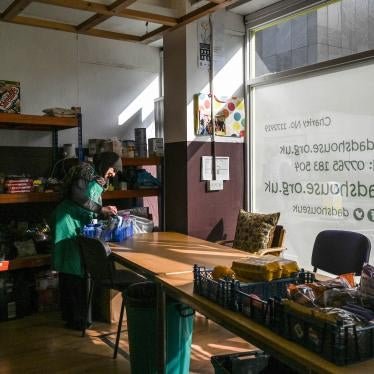
According to the latest data, Spain’s child vulnerability rate is now among the highest in the European Union, and child poverty is becoming a severe social challenge. Against this backdrop, the role of non-governmental organizations like the Fundación Madrina is increasingly crucial. Each month, the foundation provides essential supplies, including baby formula and diapers, to over 700 families facing financial hardship. This aid has become a vital lifeline for many.
The Housing Black Hole: Rent Devouring Incomes
“Many families are making a life-or-death choice every day between buying formula for their children and paying rent,” states Conrado Giménez, president of the foundation. He points out that soaring housing costs are the primary reason families fall into poverty. Housing expenses consume almost the entire income of an average family. Naomi, a mother from Peru, is a case in point. She and her two-month-old son live in a single room in a shared apartment, for which the rent is a steep €600 per month. To afford it, she has resorted to heartbreaking measures: “To make the formula last longer, I add more water to my baby’s bottle. To save money, I eat as little as I can.”
The “Invisible” Cry for Help from 30% of Native Families
Among those seeking aid are not only immigrants but also a significant portion—about 30%—of native Spanish families. However, due to a strong social stigma, many local parents try to conceal their identity when collecting aid, fearing they might be recognized by acquaintances. In stark contrast is Gonzalo, a father from the Canary Islands, who faces his situation head-on. He believes that his personal pride is insignificant compared to his infant son’s right to survive.
Beyond Material Aid: Breaking the Intergenerational Cycle of Poverty
For immigrant families who are alone and without support in a foreign country, the feeling of isolation can be as devastating as material deprivation. Therefore, the work of aid organizations has long gone beyond simply distributing goods. They are helping these families in “absolute poverty” regain the ability and confidence to integrate into society by offering job training and social guidance. The ultimate goal is not just to solve the immediate problem of hunger, but to fundamentally break the intergenerational cycle of poverty, ensuring that no child has to grow up on diluted formula.
