EU Border Management Enters the Digital Age: The EES System Goes Fully Online
Starting from April 10, 2026, the European Union will officially and fully activate its new Entry/Exit System (EES). This system marks a major revolution in European border management. Traditional passport stamping will be completely replaced by an automated electronic database that records the entry and exit information of non-EU nationals. The goal is to modernize border control, identify overstayers, combat identity fraud, and strengthen internal security. According to statistics, since its trial run began in late 2025, the system has already identified approximately 24,000 problematic documents and prevented over 600 individuals who posed a security threat from entering.
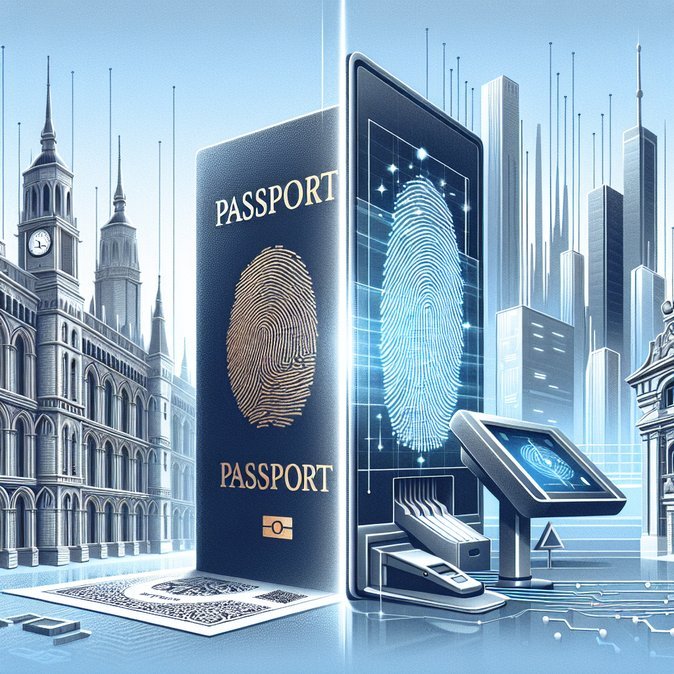
Core Change: Mandatory Collection of Biometric Information
The core of the EES system lies in the mandatory collection of travelers’ biometric information. Non-EU travelers entering the Schengen Area for the first time through a border post using the EES system must complete a facial image scan and the registration of four fingerprints at a border control desk or a self-service kiosk. This information will be recorded in a central database along with the traveler’s passport data. Subsequent entries and exits will be processed by comparing this biometric data, eliminating the need for manual stamping. All records of entry, exit, and even entry refusal will be digitally stored.
Scope of Implementation: Covering 29 European Countries
The EES system will be implemented simultaneously in 29 European countries, specifically including:
- Schengen Area Member States: Such as France, Germany, Spain, Italy, etc.
- New Schengen Area Countries: Including Bulgaria and Romania.
- Non-EU Countries Participating in the Schengen Agreement: Iceland, Norway, Switzerland, and Liechtenstein.
It is important to note that EU member states Ireland and Cyprus will not participate in the EES system and will continue to use the traditional manual stamping method for border control. Furthermore, the United Kingdom, which has left the EU and is not part of the Schengen Area, is not affected by this system and has its own independent Electronic Travel Authorisation (ETA) system.
Direct Impact on Travelers: Border Crossing Times Expected to Increase Significantly
The full mandatory implementation of the new system is expected to have a significant impact on travel efficiency. The Airports Council International Europe (ACI Europe) has issued a warning, indicating that during the initial implementation phase and peak travel periods, travelers’ waiting times at the border could be as long as two hours, with the situation potentially being more severe at some busy airports. Starting from April 10, border control points will no longer have the flexibility to temporarily suspend the use of EES to manage passenger flow during peak times; all eligible travelers must complete the process.
Therefore, travelers planning to visit the aforementioned 29 countries during this period, whether entering or exiting, are advised to arrive at the airport an additional 1.5 to 2 hours earlier than the normally recommended time to avoid their travel plans being affected by clearance delays.
