The controversy over dairy purchase prices in Spain has recently intensified. Agricultural organizations representing the interests of numerous farmers have met with industry regulators, highlighting that current milk purchase prices no longer cover soaring production costs. They are pointing fingers at contract clauses that drive down prices and the continuous influx of cheap imported milk.
Point of Contention: Purchase Contracts and the Cost Threshold
Spain’s three main agricultural organizations—Asaja, COAG, and UPA—expressed grave concerns about dairy purchase prices during a meeting with the Food Information and Control Agency (AICA). Farmer representatives pointed out that some purchasing contracts include a discount clause of ‘around 9 cents per liter,’ which they argue is a mechanism used to covertly lower prices, pushing the final transaction price far below the reasonable production cost threshold.
This practice is believed to potentially violate Spain’s Food Chain Law (Ley de la Cadena Alimentaria), which explicitly prohibits purchasing at prices below production costs. Consequently, the agricultural organizations have formally requested the National Commission on Markets and Competition (CNMC) to intervene and investigate possible anti-competitive practices within the sector.
Dual Pressure: Soaring Production Costs and the Impact of Cheap Imports
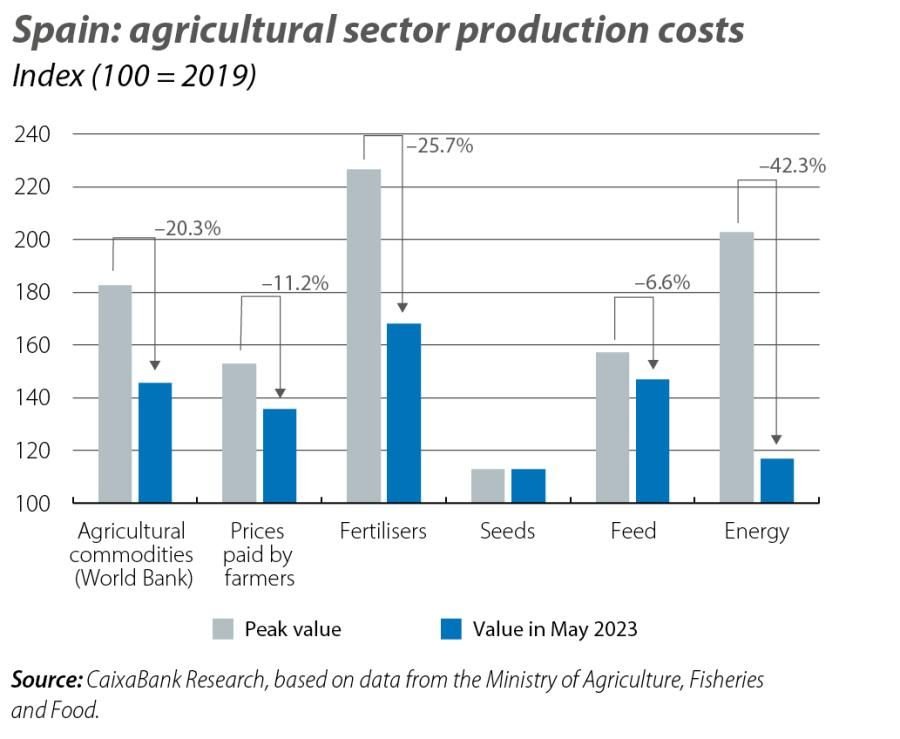
Currently, Spanish dairy farmers are facing a double squeeze from costs and the market. On one hand, the continuous rise in prices for production inputs such as energy, electricity, fuel, and plastic packaging has significantly driven up the cost of milk production. On the other hand, a large volume of surplus, low-priced milk from countries like France and Portugal is flooding the Spanish market, further destabilizing the already fragile price structure and placing local farmers in an extremely disadvantageous bargaining position.
Regulatory Intervention: AICA Steps Up Enforcement and Investigations
In response to the escalating conflict, the Food Information and Control Agency (AICA) has clearly stated it will strengthen its oversight of the dairy industry. AICA revealed that it will expand the scope of its inspections this year, with the dairy sector being one of its key areas of focus. Data shows that the regulatory body conducted 399 inspections in the sector over the past year, with the cumulative total exceeding 1,300, reflecting the government’s long-standing high level of concern over compliance issues in this area.
Market Outlook: A Local Crisis Amidst EU Price Normalization
From a broader perspective, although dairy prices across the EU are trending towards ‘normalization,’ the situation in Spain remains severe. Currently, the average price for raw milk within the EU is approximately €0.44 per liter. While the average purchase price in Spain is slightly higher, at around €0.52 per liter, the industry widely believes this price is still insufficient to cover its high production costs.
Industry associations warn that if purchase prices continue to be suppressed and the trend of low-priced imports is not effectively controlled, Spain’s domestic dairy industry could face a new structural crisis. This could lead to more farm closures, thereby affecting the stability of the entire supply chain.
