The Health Alert Behind the One-Hour Shift
Every spring, on the last Sunday of March at 2 a.m., Spain adjusts its clocks to 3 a.m., officially entering Daylight Saving Time. However, this one-hour loss of sleep is not harmless. According to a large-scale meta-analysis published in the European Journal of Epidemiology, this change is directly linked to serious health risks. The study compiled 157 independent studies from the past 30 years, covering 36 countries, and the results showed a significant peak in the incidence of myocardial infarction in the first three days after the clock change.
Researchers point out that the start of DST forcibly disrupts the body’s internal biological clock. This abrupt change affects body temperature regulation, metabolism, and the normal secretion of hormones (especially cortisol), placing additional stress on the cardiovascular system. For those with vulnerable cardiovascular systems, the risk is particularly high.
Traffic Safety Risks Cannot Be Ignored
Beyond the direct physiological impact, the effect of the DST adjustment on public safety is equally concerning. The reduction in sleep time directly leads to fatigue, lack of concentration, and slower reaction times, especially for drivers. Data shows that the rate of fatal traffic accidents increases noticeably in the first week after the time change. For Spain, with its busy transportation network and heavy traffic flow, this potential risk poses a serious challenge.
Weighing Pros and Cons Amidst the EU’s Political Stalemate
Supporters of DST argue that longer daylight hours in the evening help reduce violent street crime and encourage people to engage in outdoor activities. However, critics and researchers emphasize that this limited improvement in public safety does not come close to offsetting the immense costs it brings in the realms of public health and traffic safety.
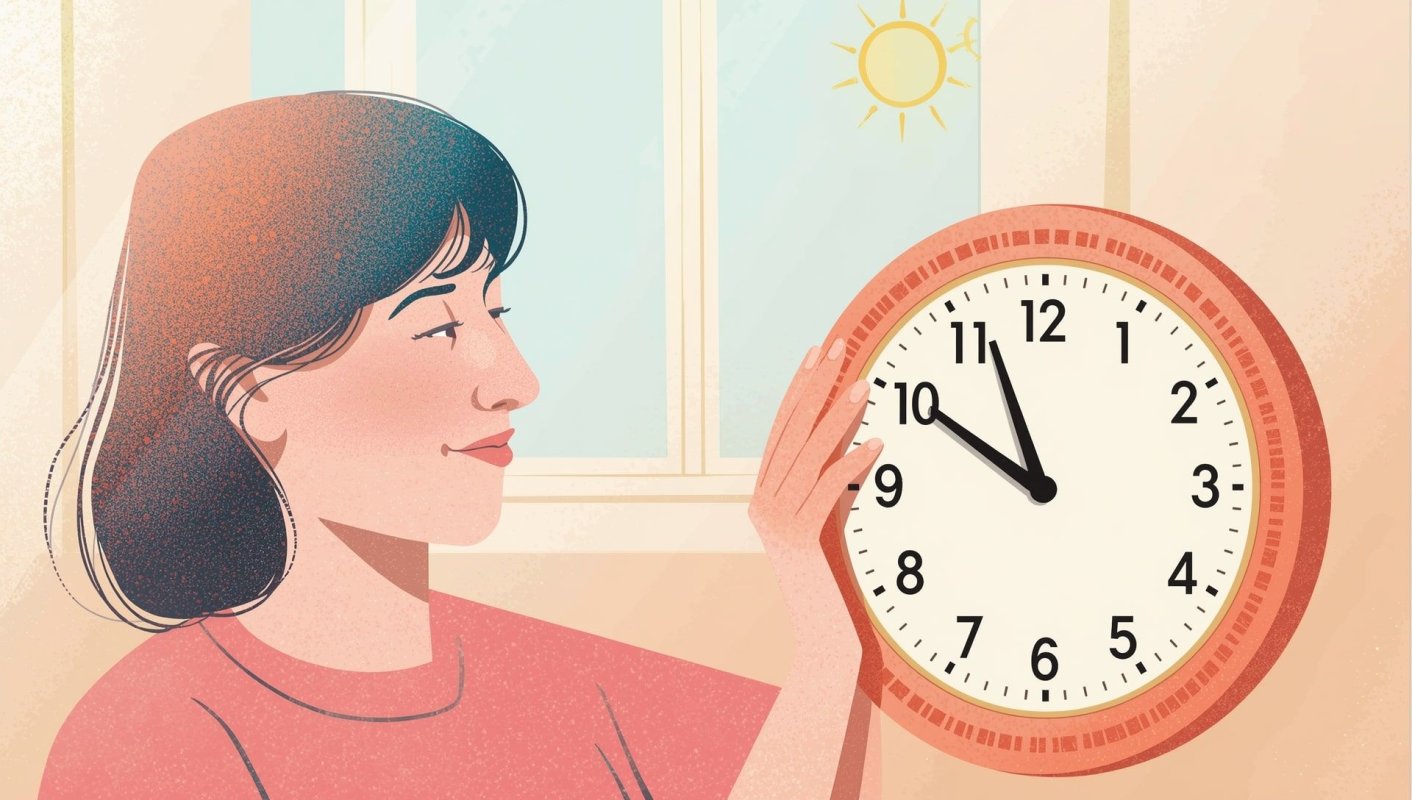
Despite a wealth of scientific evidence, the debate on whether to permanently abolish the seasonal time change has been stuck in a seven-year stalemate at the EU level. Member states are deeply divided: Northern European countries, led by Germany, tend to favor permanently staying on standard time (i.e., winter time), while Southern European countries, including Spain, would prefer to use Daylight Saving Time year-round. Until a consensus is reached across the EU, individual countries will continue to follow the time change regulations.
Spain’s Stance and Recommendations
Currently, the Spanish government is inclined to adopt a single, fixed time year-round. However, the specific choice between standard time and Daylight Saving Time, as well as the final decision, awaits a unified directive from the EU. Until then, the twice-yearly time changes will continue. Health experts advise the public to start adjusting their sleep schedules this weekend to prepare for the upcoming “lost hour.” Going to bed a little earlier can provide the body with a buffer period to adapt. Furthermore, when traveling next week, especially for drivers, it is crucial to remain highly vigilant and be extra cautious. This is not just an issue of energy and economics; it directly concerns the health and safety of every individual.
