Your Phone is Your Wallet: Bizum Rolls Out Card-Free In-Store Payments
Bizum, the payment platform backed by a consortium of Spanish banks, is reportedly set to introduce a new feature for in-person payments. This system will enable consumers to make purchases in physical stores without a physical bank card, simply by tapping their mobile phone on the payment terminal. The process mirrors existing NFC (Near Field Communication) payment methods like Apple Pay or Google Pay, designed to offer a seamless and convenient user experience.
To drive adoption, Bizum will pursue a two-pronged strategy. Firstly, most partner retailers will integrate the payment functionality directly into their own branded apps. Secondly, Bizum will also release a standalone ‘Bizum Pay’ wallet application for users who don’t use specific merchant apps.
Lowering Fees: A Cost-Effective Alternative for Merchants
A key appeal of this system lies in its significantly lower merchant commissions. Traditional card payments involve fees paid to card networks like Visa and Mastercard, as well as to the tech giants (e.g., Apple, Google) that facilitate mobile payments. These costs can be a substantial burden for small businesses operating on thin margins. For instance, a well-known case involved a Spanish bar owner who refused card payments due to the high transaction fees, opting instead to run tabs for regular patrons.
By bypassing these intermediaries, Bizum’s in-store payment system processes transactions directly between banks and merchants, allowing it to offer more competitive rates. This initiative is expected not only to attract large retailers but also to provide a new solution for small and medium-sized enterprises (SMEs) that have long struggled with high transaction costs.
Strategic Rollout: Targeting Major Retail Chains First
To ensure a smooth launch by the end of May, partner banks and retailers have spent months on technical preparations, including adjusting and testing payment terminals and applications. During the initial rollout phase, Bizum will focus its partnership efforts on major retail chains.
This strategy is based on the fact that large chains handle a massive volume of transactions, making it easier to negotiate lower commission agreements and achieve economies of scale. Once Bizum establishes a foothold in major supermarkets and large retailers, it can rapidly increase its market share in the physical payments space and gradually expand to a broader base of merchants.
Part of Europe’s Push for Payment Sovereignty
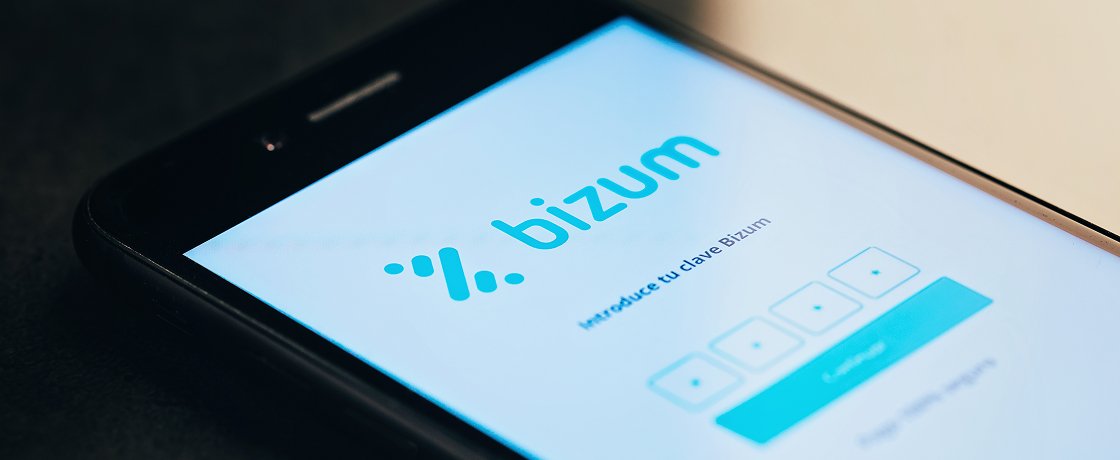
Bizum’s expansion into the physical payments sector aligns with the broader European Union trend of promoting payment system sovereignty. For years, Europe’s digital payment ecosystem has been heavily dependent on US-based networks like Visa and Mastercard. To strengthen its financial sovereignty and strategic autonomy, Europe is actively exploring the creation and expansion of homegrown payment systems, such as promoting instant payment solutions like Bizum and even developing a ‘digital euro’.
Therefore, Bizum’s innovation is more than just a competitive business move; it is also seen as a significant step in Europe’s effort to build an independent, efficient, and low-cost payment infrastructure. The long-term objective is to reduce dependence on external payment networks, both within the domestic market and on a broader scale.
