Drastic Price Drop Shakes the Industry
Tensions within the Spanish dairy sector have escalated significantly in recent weeks. The core of the dispute is the unilateral and substantial reduction in raw milk purchase prices by dairy processors. According to farmers’ unions Asaja, COAG, and UPA, the latest contracts feature price cuts of up to 9 cents per liter, far exceeding the 2 to 3 cent adjustment farmers considered reasonable. The unions argue this constitutes an abuse of market power by the industry and a potential violation of Spain’s Food Chain Law, which prohibits selling below cost.
The Dual Pressure of Costs and Imports
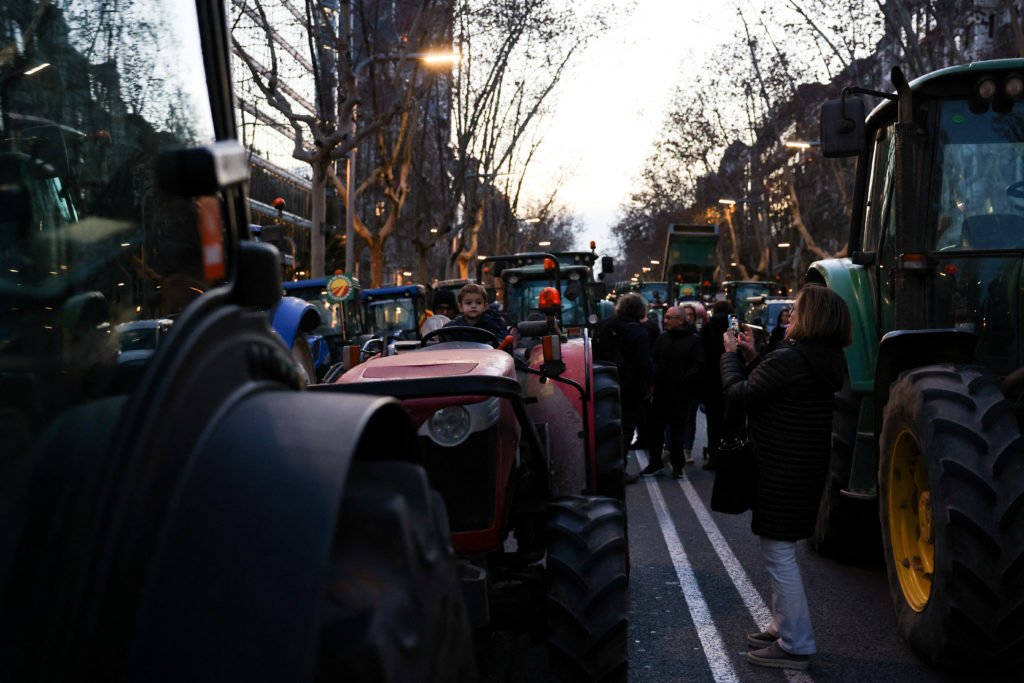
This price dispute comes at a particularly difficult time for dairy farmers. On one hand, production costs have skyrocketed, with the prices of key inputs like electricity, fuel, and plastics surging due to geopolitical conflicts in the Middle East. On the other hand, a flood of cheap surplus milk from neighboring European countries like France and Portugal has entered the Spanish market, putting further downward pressure on local raw milk prices. Faced with unsustainably low purchase prices, some farmers have been forced to dump their milk in protest.
Farmers’ Unions Appeal to Regulatory Bodies
Facing this predicament, the main farmers’ unions have taken several actions. They have held emergency meetings with Spain’s Food Information and Control Agency (AICA) and submitted the price-cutting contracts as evidence. Furthermore, they have provided AICA with a list of transport companies allegedly bringing low-cost milk from France and Portugal, urging the agency to broaden its investigation. Concurrently, these organizations are approaching the National Markets and Competition Commission (CNMC) to seek legal avenues to declare some of the unfair contracts void.
Official Response and Regulatory Action
Spain’s Minister of Agriculture, Luis Planas, has commented on the situation, calling for “prudence” from both sides of the industry and stressing that the Food Chain Law must be strictly followed. AICA has confirmed it is urgently collecting and reviewing the relevant contracts and has announced it will intensify its inspections of the dairy sector this year. To protect farmers who might face retaliation for reporting, AICA has also set up an anonymous complaint channel. Data shows the dairy sector has always been a key focus for AICA, with 1,364 inspections conducted since 2014, accounting for 16.22% of its total inspections.
Market Data and Future Outlook
From a European perspective, data from the European Commission’s Milk Market Observatory indicates that raw milk prices entered a “normalization” and adjustment phase starting in the second half of 2023. In February 2024, the average raw milk price in the EU was €0.44 per liter. In comparison, Spain’s price for the same period was €0.52 per liter, placing it among the highest in the EU, surpassed only by Malta (€0.63) and Cyprus (€0.66). Despite this, farmers’ unions strongly criticize the recent price drop as “the most severe in 20 years,” a stark contrast to the sharp rise in production costs. Although the dairy interprofessional organization, Inlac, is still attempting to mediate, negotiations have reached a stalemate. The final outcome of this “milk war” will not only determine the livelihoods of thousands of dairy farmers but could also be passed on to consumers, affecting the retail price of dairy products in Spanish supermarkets.
