The escalating tensions in the Middle East pose a direct threat to the Spanish economy. Even if the conflict can be contained in the short term, the inflationary shock it has triggered is already becoming apparent. Several economists warn that after recording 3.3% in March, Spain’s Consumer Price Index (CPI) could climb sharply in the coming months, potentially peaking at 6%.
Energy and Food: The Twin Engines of Soaring Inflation
Two core factors are driving this round of inflation expectations: energy and food prices.
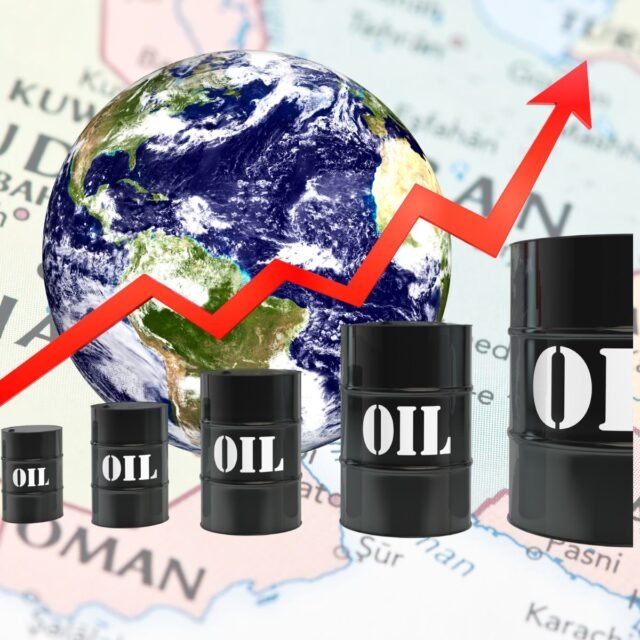
First, on the energy front, if oil and natural gas extraction and refining facilities in the Persian Gulf region are damaged, repairs would be extremely difficult, leading to a sustained upward trend in energy prices. Concurrently, disruptions to shipping in the Strait of Hormuz, a crucial global waterway, coupled with the possibility of Iran tightening its control over the strait, have further exacerbated market anxiety and uncertainty.
Second, regarding food, the Strait of Hormuz is also a key channel for global fertilizer transport. With the Northern Hemisphere currently in its peak spring planting season, demand for fertilizer is high. If supply disruptions lead to price hikes, this cost pressure will gradually pass through to final consumer prices in the coming months.
Expert Analysis: Inflation Outlook and Economic Impact
The Spanish economic community is generally cautious. Antonio Pedraza, president of the Financial Commission of the General Council of Economists of Spain, points out that an inflation rebound is almost inevitable. He predicts the inflation rate will reach 4% or even higher, possibly rising to around 5.5% within the next six months.
Juan Rubio, a professor of Public Finance at the University of Castilla-La Mancha, forecasts that under the current circumstances, the inflation rate for Spain and the EU is around 4%; if the conflict escalates, it could rise to 6%. He believes that the agriculture, fishing, transport, and logistics sectors will be the hardest hit, and he projects that by 2026, Spain’s GDP growth will slow to between 1.8% and 2%.
Economist Javier Santacruz offers a more optimistic view, suggesting that inflation could remain near 4% before summer and then gradually decline. Meanwhile, the Funcas think tank predicts that although the inflation rate might end the year at 3% or slightly higher, volatility will increase significantly in the coming months.
Structural Damage: Long-Term Impacts Difficult to Reverse
Experts emphasize that the profound impact of this crisis lies in the potential for structural damage. An analysis by the Elcano Royal Institute points out that the energy market will face a structural reorganization. Take Qatar’s Ras Laffan gas facility, for example: it produces about 17% of Qatar’s liquefied natural gas (LNG). If damaged, restoring normal operations would take at least five years. Considering Qatar is the world’s second-largest LNG supplier, accounting for about 20% of the global supply, any long-term disruption to its infrastructure would have a lasting impact on the global energy landscape.
Experts from Funcas also believe that the recovery of Middle Eastern energy facilities could take three to five years, meaning energy prices will remain high for a prolonged period.
High Uncertainty Looms, Posing Challenges for Policymaking
The defining feature of the current situation is ‘high uncertainty.’ This uncertainty disrupts corporate investment and production decisions and makes the formulation of macroeconomic policy exceptionally complex. Experts warn that rising energy prices will generate ‘second-round effects,’ passing through to food prices and a broader range of goods and services, thus complicating the issue.
For the European Central Bank (ECB), making an accurate assessment and response is also fraught with risk: misinterpreting a short-term price shock as a long-term structural problem could lead to a monetary policy overreaction. Experts agree that even if peace is eventually achieved, the global economy will struggle to simply return to its pre-conflict state. This is because the geopolitical risk premium (such as Iran’s potential control over the Strait of Hormuz) will persist long-term.
