Hey everyone in Spain! I’ve seen a lot of questions recently about how to apply to Spanish universities, so I thought I’d share my own DIY application experience to help you all out. The process isn’t as complicated as it seems once you understand it, and handling it yourself can save you a huge amount in agency fees! Wouldn’t you rather spend that money on tapas in Spain?
The entire application process revolves around your “Gaokao” score (the Chinese National College Entrance Examination). The Spanish Ministry of Education uses an organization called UNEDasiss to convert our Gaokao scores into the Spanish grading system. You then use this converted score to apply to universities. So, our main task is to prepare the necessary documents, submit them to UNEDasiss, get the converted score, and then submit our applications on the websites of our desired universities.
Key Steps for Applying to a Spanish University
1. Document Preparation, Notarization, and Legalization
This step is extremely important and the most time-consuming, so be sure to start early! You’ll need to get your high school diploma, three-year high school transcripts, and Gaokao score report all notarized and legalized. This process typically takes one to two months, so do not leave it until the last minute. The idea that you can get it done in a week is a definite no-go!
2. UNEDasiss Score Conversion
Once your documents are legalized, you need to go to the official UNEDasiss website, create an account, upload scanned copies of your legalized documents, and apply for the score conversion. They will calculate your score within the Spanish university entrance system based on your documents. Refer to the table below for the specific documents required:
| Document | Key Requirement |
|---|
| High School Diploma | Must be translated into Spanish and fully notarized and legalized. |
| Gaokao Score Report | Same as above; requires translation, notarization, and legalization. |
| High School Transcripts | Same as above; requires translation, notarization, and legalization. |
| Passport | A clear scanned copy. |
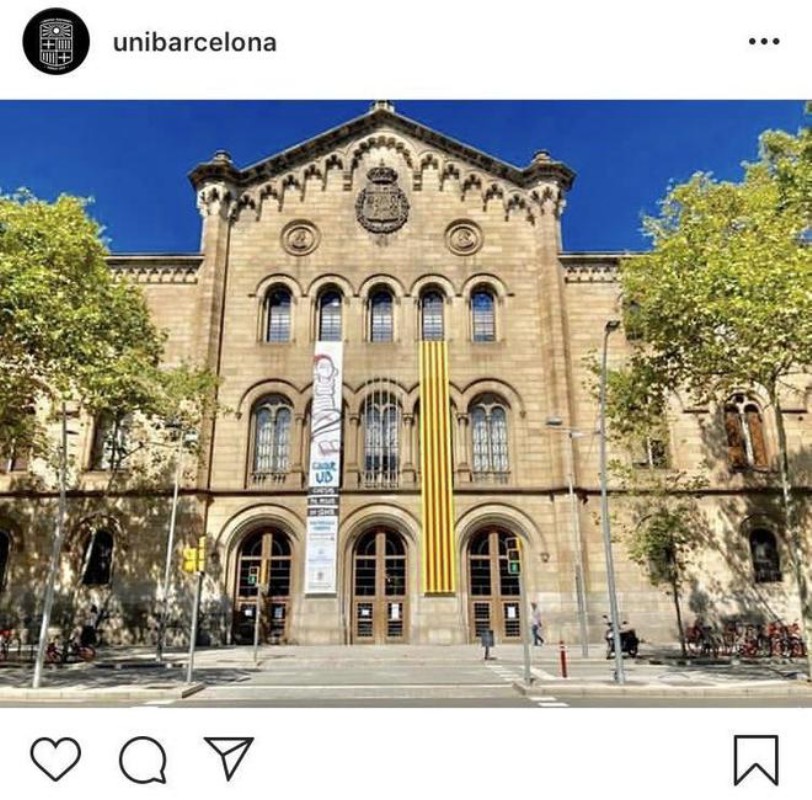
3. Submitting University Applications
Once you receive your accreditation report from UNEDasiss, you can use it to explore various application pathways for Spanish universities and start submitting applications on their websites. Each university has its own application system and deadlines. For example, the Madrid region has a unified platform, but many other autonomous communities require separate applications. Therefore, it’s crucial to carefully read the admissions information on your target university’s official website! Pay close attention to program requirements and application periods, and don’t miss the deadline. (For those planning even further ahead, this guide on applying for a UK Master’s after a Spanish Bachelor’s degree might also be useful.)
While a DIY application can be tedious, completing the process will give you a deeper understanding of the Spanish education system and a great sense of accomplishment. Plus, being in control of the entire process provides peace of mind. I wish you all the best in getting an offer from your dream university! Feel free to leave a comment below if you have any questions!
