The Triple Pressure on Global Supply Chains: Energy, Fertilizers, and Transport
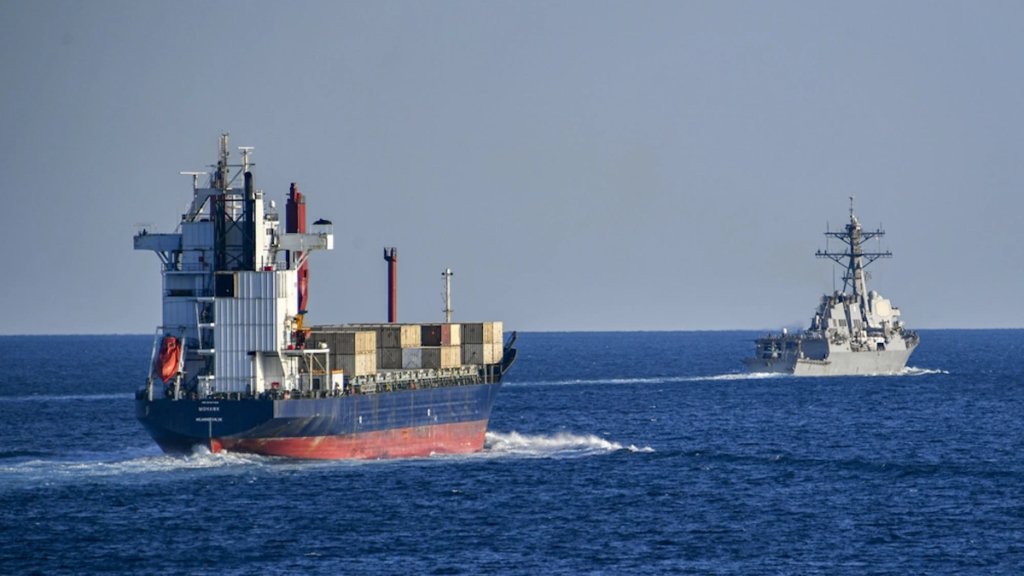
Recent tensions in the Middle East, particularly risks surrounding the Strait of Hormuz—a critical global shipping lane—are sending ripple effects from the energy market to the global food system. Modern agricultural production heavily relies on the three pillars of energy, fertilizers, and transport. Volatility in any of these areas can quickly reverberate throughout the entire chain, from farm to table.
Multiple international organizations, including the Food and Agriculture Organization of the United Nations (FAO) and the World Food Programme (WFP), have issued warnings. They point out that fluctuations in natural gas prices are directly driving up the production cost of nitrogen fertilizers. A shortage or price surge in fertilizers will inevitably lead to increased agricultural production costs and could even cause reduced yields in some regions. Simultaneously, rising energy costs also place a greater burden on agricultural machinery, irrigation systems, and cold chain logistics, making the entire food supply process more expensive, less efficient, and less resilient.
A Tale of Two Vulnerabilities: The UK’s High Dependency vs. Spain’s Relative Stability
Against this global backdrop, different countries’ food supply systems exhibit varying degrees of vulnerability. The UK, for instance, relies on imports for about half of its food, especially for fruits and vegetables which demand highly stable supply chains. Compounded by new trade barriers following Brexit, the UK’s ability to buffer against external shocks has diminished. In recent years, British supermarkets have repeatedly faced empty shelves due to supply chain issues. If the crisis persists, the UK will not only face food inflation but could also experience periodic supply shortages.
In contrast, Spain’s situation is more optimistic. As one of Europe’s leading agricultural producers, Spain has a strong domestic supply capacity capable of meeting most of its internal demand. Furthermore, as a member of the EU’s single market, Spain can leverage internal market mechanisms to cushion the impact of external supply chain disruptions. This structural advantage gives it greater resilience in weathering global supply crises.
Spain’s Official Stance: The Main Challenge Is Cost, Not Supply
Addressing the current situation, Spain’s Minister of Agriculture, Fisheries and Food, Luis Planas, has clearly stated that for Spain, the greater risk lies in rising production and transport costs, rather than supply disruptions themselves. He believes that the surge in energy and raw material prices caused by geopolitical conflicts will ultimately translate into higher food prices for consumers.
This means that for the Spanish public and market, the most likely short-term scenario is that “food will get more expensive,” not that “food will be unavailable.” The focus for the government and industry will be on how to control the impact of inflation on citizens’ livelihoods while also ensuring profit margins for agricultural producers to maintain long-term supply stability.
