Beware of Physical Damage: Don’t Use Your Teeth as Tools
Using your teeth to tear open packages, open bottle caps, or unconsciously biting your nails and pen caps puts undue stress on them. Dentist Eugenia Cervantes explains that such habits can create micro-cracks on the enamel surface. Over time, these micro-cracks can deepen, eventually leading to a partial or complete tooth fracture under pressure.
Correct Your Cleaning Method: Brushing Too Hard Does More Harm Than Good
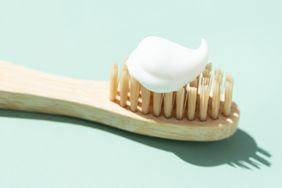
When it comes to cleaning your teeth, harder isn’t better. Excessive brushing force can wear down precious tooth enamel like sandpaper and may irritate the gums, causing them to recede. Gum recession exposes the more sensitive root of the tooth, thereby increasing sensitivity to cold, hot, acidic, and sweet stimuli, which can lower your quality of life.
Prevent Chemical Erosion: The Hidden Risks of an Acidic Diet
Your daily diet should not be overlooked. Beverages high in acidic content, such as carbonated drinks, energy drinks, and citrus juices, continuously erode tooth enamel. This chemical corrosion demineralizes the tooth surface, significantly increasing the risk of cavities and tooth sensitivity. If combined with the aforementioned physical damage habits, the rate of tooth wear will accelerate.
Watch for Early Signs: Seeking Timely Dental Care is Key
When you notice increased sensitivity to external stimuli, changes in color (like yellowing or spots), or abnormalities in shape (such as chipping), these are often clear signs of tooth damage. Experts advise seeking a professional dentist’s diagnosis and treatment as soon as these early symptoms appear. The core of an effective tooth protection strategy is prevention—actively identifying and avoiding these potentially destructive daily habits, rather than just relying on the frequency of brushing.
