Spain’s two main trade unions, the General Union of Workers (Unión General de Trabajadores, UGT) and the Workers’ Commissions (Comisiones Obreras, CCOO), have jointly announced plans for a nationwide strike in the gas station sector during the 2026 ‘May bridge holiday’, sparking widespread concern about holiday travel.
Background of the Strike: Breakdown in Labor Negotiations
The root cause of the strike is a long-standing labor dispute. According to the unions, employees in the gas station industry face deteriorating working conditions, with core issues including a significant mismatch between wages and workload, as well as unreasonable work schedules. The unions specifically point out that during peak periods like public holidays, employees’ workloads increase dramatically without corresponding financial compensation. Despite multiple rounds of negotiations with the employers’ association, no substantial agreement was reached on improving working conditions and pay, ultimately prompting the unions to resort to a strike as a final measure to protect workers’ rights.
Strike Schedule and Scope: Targeting the May Travel Peak
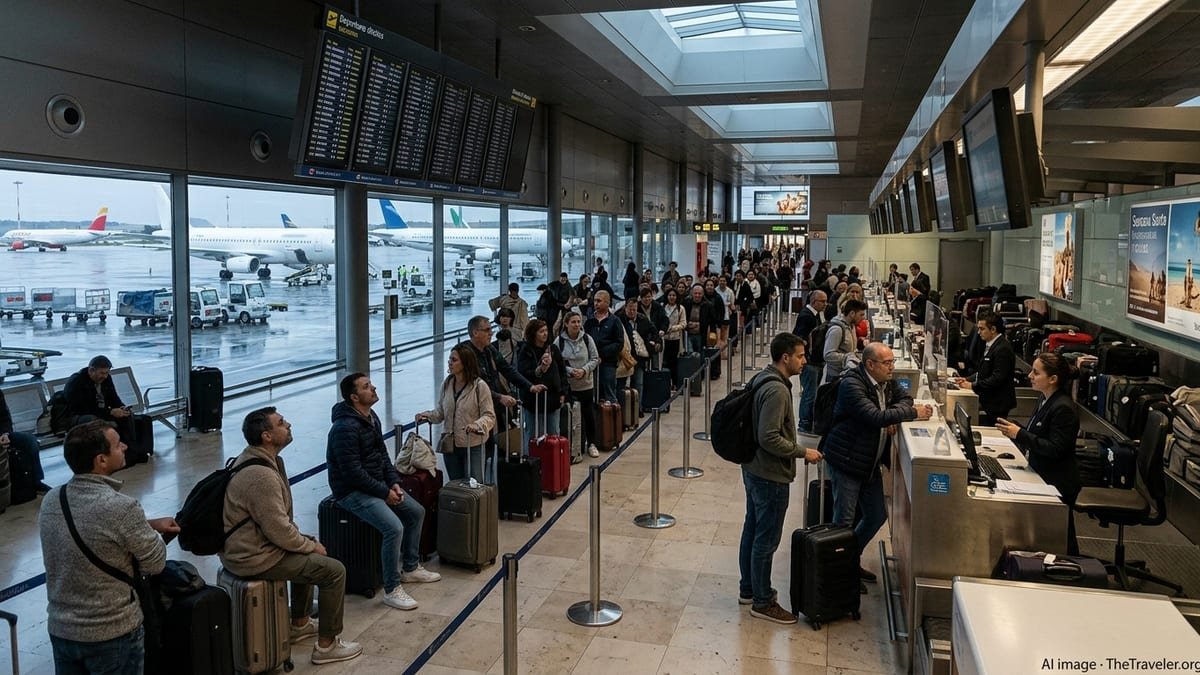
According to the joint notice from the unions, the strike is set to take place precisely during the 2026 ‘May bridge holiday’ (puente). This long weekend, typically connected to the May 1st Labour Day, is a crucial time for spring road trips for people across Spain. The strike will affect numerous gas stations nationwide. Although a specific list of participating stations and details on the form of the strike have not yet been fully disclosed, its national scale suggests a potentially widespread impact on the fuel supply network.
Potential Impacts: A Severe Test for Travel and Logistics
Timed to coincide with the peak of holiday road travel, the strike could trigger a series of chain reactions. For residents and tourists planning to drive during the long weekend, service disruptions or long queues at gas stations will be a major problem, with some areas potentially facing fuel shortages. Furthermore, Spain’s logistics and freight systems are heavily reliant on road transport. The strike will directly affect the refueling of transport vehicles, potentially causing delays in goods shipment and impacting the national supply chain.
Responses and Outlook
As of now, the employers’ association representing gas station owners has not issued a formal response to the unions’ strike announcement. Meanwhile, relevant government bodies, particularly the ministries of Transport and Energy, have begun to closely monitor the situation. The government has publicly called for both sides to exercise restraint and return to the negotiating table to resolve their differences through dialogue, in order to prevent the strike from having a broader negative impact on the national economy and public life. Whether the two parties can reach a last-minute agreement in the coming weeks will be crucial in determining if this crisis will fully escalate.
