Madrid Rental Scam Busted: Lithuanian Man Arrested for €85,000 Fraud Using Tourist Apartments
The Spanish National Police recently took action in Madrid’s central and Salamanca districts, successfully dismantling a large-scale rental fraud ring and arresting a Lithuanian male suspect. According to the Madrid Superior Police Headquarters, the man is suspected of defrauding at least 32 victims of approximately €85,000 by posting fake long-term rental listings.
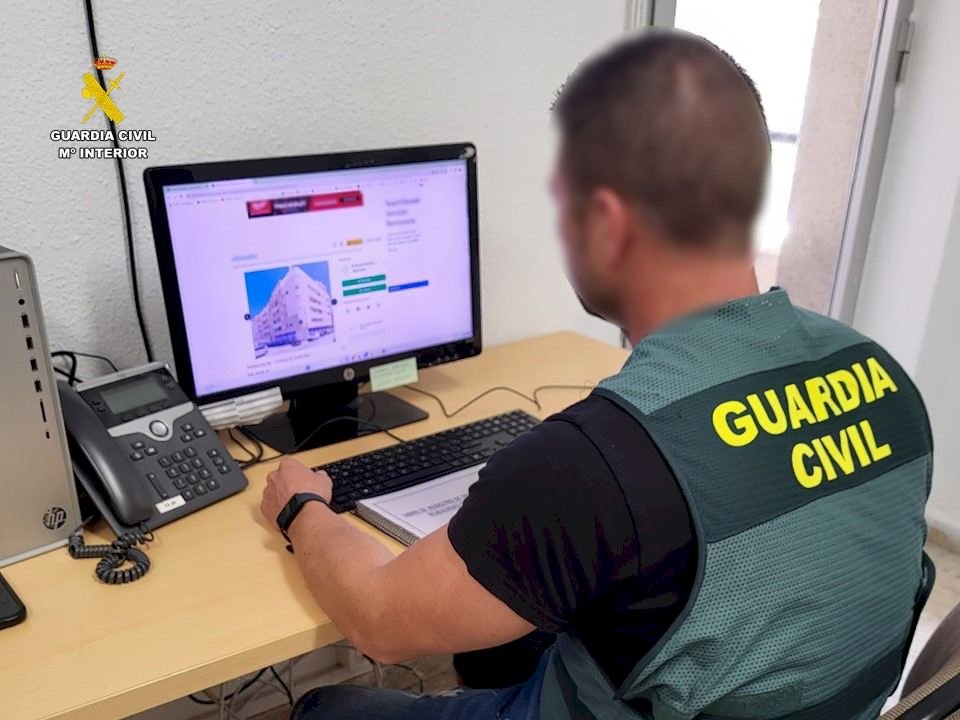
Case Background: International Student’s Report Uncovers the Scam
The investigation began last October after a report was filed by an international student planning to move to Madrid for a master’s degree. The victim contacted a man claiming to be the landlord through an online platform. He gained her trust by showing the apartment via a video call. The victim then paid a deposit, administrative fees, and the first month’s rent, totaling around €4,000. However, upon arriving in Madrid to move in, she discovered several other tenants with the same story gathered at the door, realizing she had fallen into a trap.
Modus Operandi: Short-Term Apartments Turned into Long-Term Traps
Police investigations revealed the suspect’s method was covert and deceptive. He would first rent apartments in prime locations for short-term tourist stays. Then, without the owners’ authorization, he would re-list them as long-term rentals on popular property websites like Idealista and Booking.com. To increase his success rate and evade detection, he communicated with potential tenants primarily through instant messaging apps, targeting foreigners abroad who couldn’t view the properties in person. In some cases, he even hired unwitting ‘assistants’ to show the apartments to a few tenants to make the scam appear more legitimate.
Police Action: Seizure of Tools and Multiple Identities
After gathering sufficient evidence, the Spanish National Police launched a decisive operation on February 20th and 21st. Officers searched two residences used by the suspect in Madrid, seizing a large number of tools used in the crime. This included detailed property lists, tenant appointment records, multiple bank cards and SIM cards, a computer, six mobile phones, and professional photography equipment used to create fake rental ads. Further investigation revealed the suspect had no fixed address in Spain and used at least two different identities to evade being traced.
Case Update: Suspect Released with Travel Restrictions
The Lithuanian suspect is now in custody. Following a preliminary hearing, he has been provisionally released but is under a judicial order prohibiting him from leaving Spain. Legal proceedings are ongoing, and the case awaits further trial. Police advise all tenants, especially those searching for housing online from abroad, to verify the authenticity of the property and the landlord’s identity through multiple channels before signing contracts or making payments, and to be wary of requests for large upfront fees.
