Spain’s Ministry of Defence has the authority to temporarily close specific beaches and coastal waters during military exercises. This measure is designed to prevent any risk to the public during potentially hazardous military activities, reflecting a coordinated management between national defense needs and civilian use of space.
Legal Basis and Enforcement
These safety measures are enforced by the Spanish Ministry of Defence, based on the legal framework of the 1975 Law on Zones and Installations of Interest for National Defense (Ley de Zonas e Instalaciones de Interés para la Defensa Nacional de 1975) and the Coastal Regulations (Reglamento de Costas). These regulations authorize the military to temporarily restrict access to certain areas when necessary to protect national and public security.
Characteristics of Closures and Notification Methods
Beach closures are often sudden and immediate, potentially occurring without extensive prior notice. The duration varies, from a few hours to several days. Authorities communicate these restrictions by displaying flags or warning signs on-site, issuing maritime notices, or deploying military personnel to manage the area directly. Coastlines normally open to the public can quickly become restricted military zones during an exercise period.
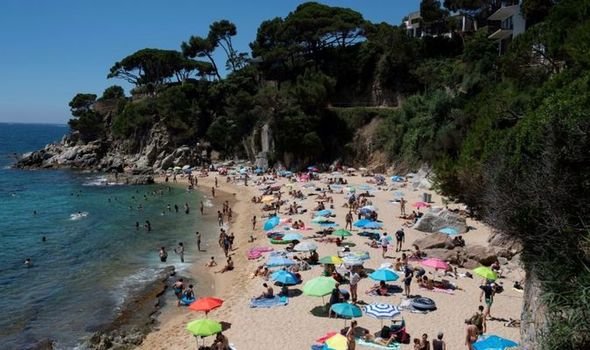
Examples of Commonly Affected Areas
Several coastal regions in Spain can be affected, especially those near military bases:
- Cádiz Province: El Retín beach is a key area for the Spanish Navy’s amphibious landing exercises and may be completely closed off during drills.
- Galicia: Doniños beach, located near a military firing range, may also have temporary access restrictions during shooting practice.
- Canary Islands: Specific training zones on the island of Fuerteventura are regular sites for military exercises.
- Other Regions: Areas like El Gorguel beach are also frequently affected as they are often used for naval and artillery training.
Safety First: The Rationale Behind the Measures
Although temporary beach closures can impact local tourism and spark debate, Spanish authorities emphasize that their primary goal is to ensure the absolute safety of both the public and military personnel. Given that exercises often involve explosives, live ammunition, and complex amphibious training, establishing a safety exclusion zone is an indispensable preventive measure. This system ensures a necessary balance is struck between national defense training needs and the public’s right to recreation during peacetime.
