Spain to Activate Mandatory Deposit System After Missing Recycling Goals
According to a recent report from Spain’s Ministry for the Ecological Transition and the Demographic Challenge (Ministerio para la Transición Ecológica y el Reto Demográfico), the country’s plastic bottle recycling rate in 2023 was only 41.3%, far below the 70% legal target set by Law 7/2022 on Waste. This has directly triggered a mandatory clause within the legislation.
The law stipulates that if the 2023 target was not met, Spain must implement a nationwide Deposit Return System (Sistema de Depósito, Devolución y Retorno, or SDDR) within two years (by 2026-2027 at the latest). This legal mechanism has now been officially activated, meaning the “return-for-refund” model is set to be rolled out across the country.
The SDDR System Explained: Scope and Deposit Amount
The upcoming SDDR system will directly affect consumers. Here are the specific details:
Covered Containers
The policy will cover most single-use beverage containers with a capacity of up to 3 liters. This includes:
- Beverage Types: Mineral water, juices, sodas, energy drinks, isotonic drinks, and various alcoholic beverages.
- Container Materials: To ensure the system’s effectiveness, in addition to plastic bottles, metal cans and cartons (like Tetra Pak) will also be included in the deposit scheme.
Deposit Amount
The law specifies that the deposit for each container must be no less than €0.10. The final amount will be set by individual producers, but €0.10 is the legal minimum.
How It Works: ‘Pay a Deposit, Get a Refund’
The system is modeled on successful schemes in other European countries like Germany and Sweden, and the process for consumers is straightforward:
- Pay the Deposit: When purchasing a designated beverage, the consumer pays a deposit in addition to the product price (e.g., for a €1 bottle of water, the total cost at checkout would be €1.10).
- Keep the Container Intact: After consumption, the container must be kept in good condition. It should not be crushed or damaged, and the barcode must be legible for machine scanning.
- Return and Reclaim: Consumers can return empty containers to designated collection points, typically located in large supermarkets. After the container is scanned and accepted by a reverse vending machine or at a manual counter, the deposit is refunded either in cash or as a shopping voucher.
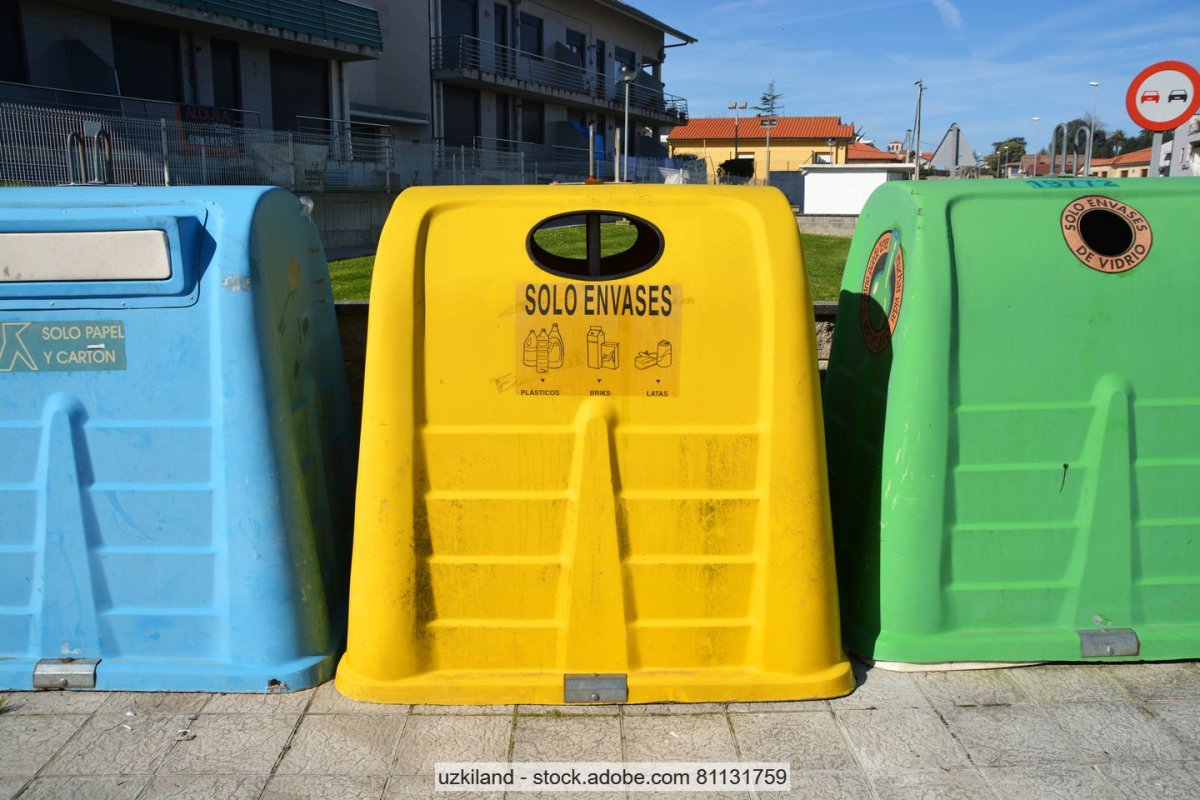
By law, large supermarket chains (such as Mercadona, Carrefour, etc.) will be required to set up collection points. Smaller shops with a floor area of less than 120 square meters may have special participation conditions or be exempt.
Supporting Environmental Measures and Policy Context
The introduction of the SDDR system is a key step by Spain to boost recycling rates and reduce environmental pollution. It complements other environmental measures already in place:
- From July 2024, all beverage bottle caps must remain attached to the bottle (tethered caps) to prevent them from being littered.
- From 2025, all PET plastic bottles must be made with at least 25% recycled plastic content.
Together, these policies form a crucial part of Spain’s transition towards a circular economy, aiming to tackle the plastic waste problem from both the production and post-consumption stages.
